




A Lifeline from the Stars
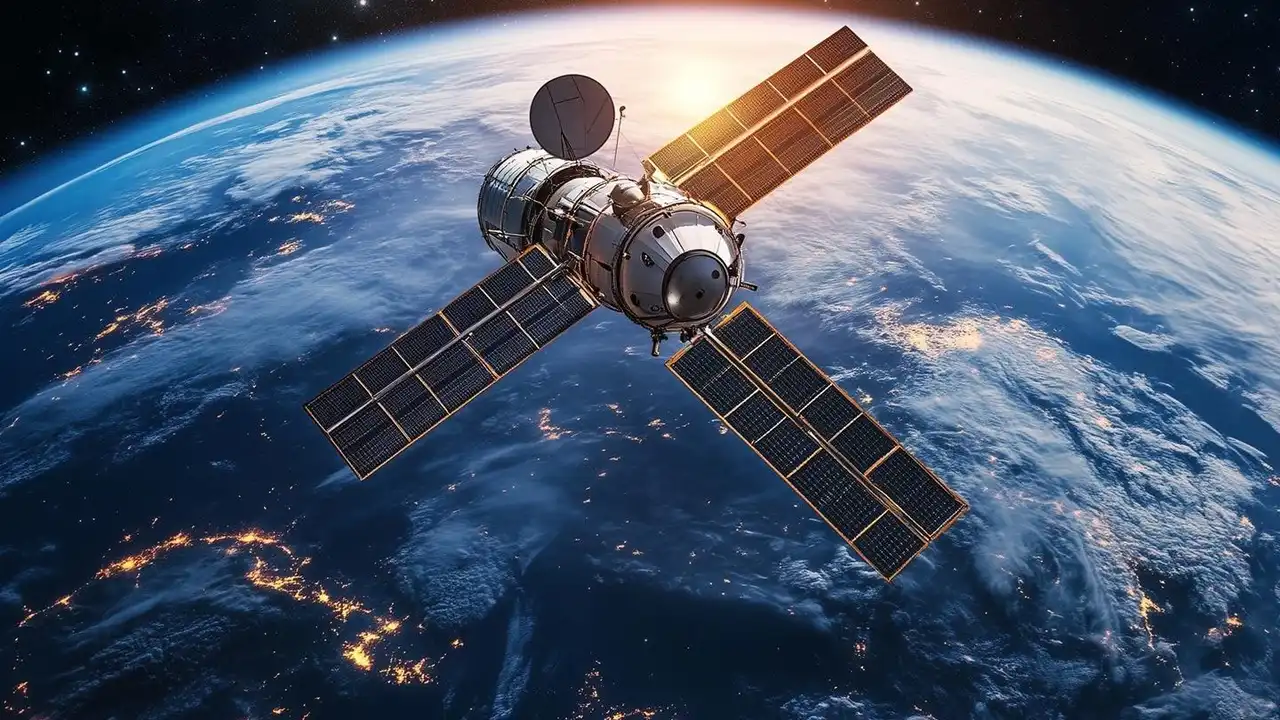
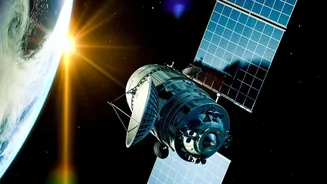
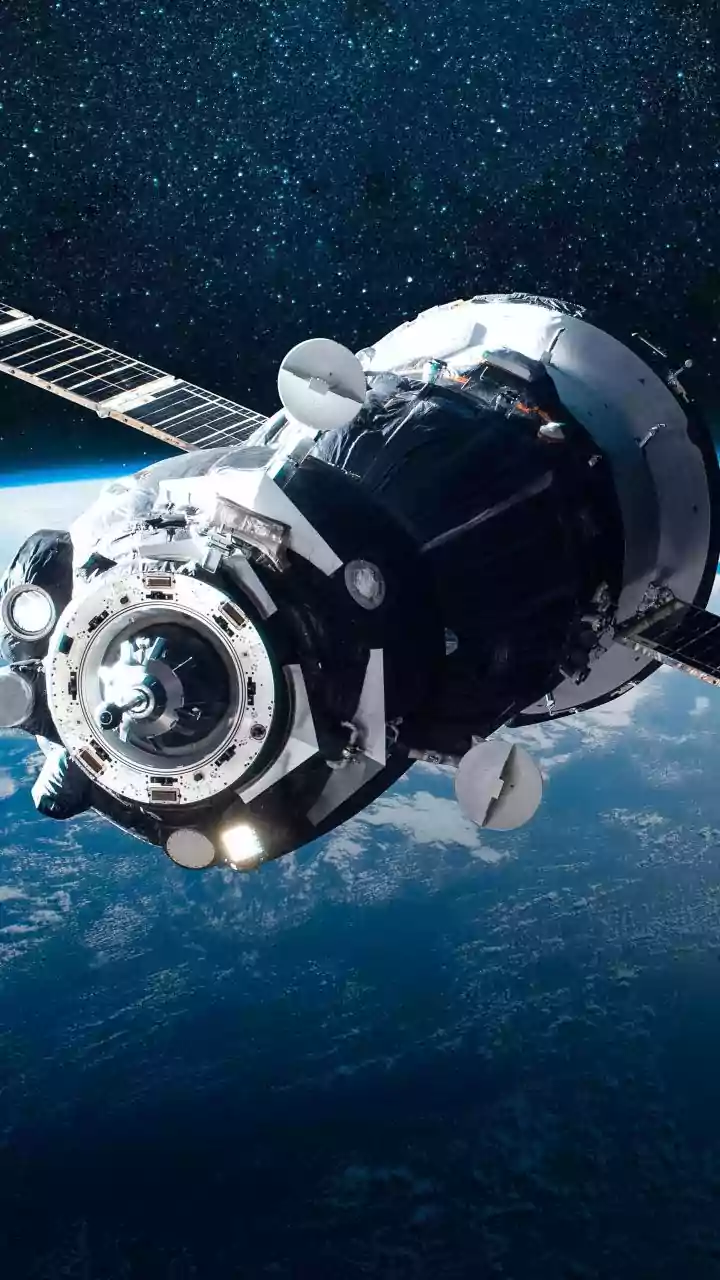
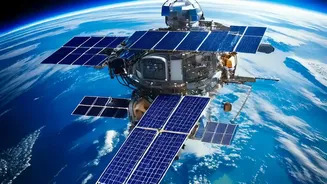
Since the early days of Russia's full-scale invasion in 2022, SpaceX's Starlink has been indispensable to Ukraine. After Russian attacks crippled conventional communication networks, thousands of portable Starlink terminals provided a vital link to the outside
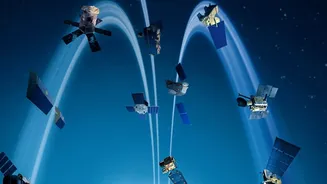
world. This low-Earth orbit satellite constellation delivered high-speed internet that kept hospitals, railways, and government services online. More critically, it became the nervous system for the Ukrainian military, enabling command-and-control, coordinating artillery, and guiding the drone operations that have defined much of the conflict. This made Starlink not just a civilian convenience but a decisive military asset—a 'dual-use' technology whose importance on the battlefield could not be overstated.
The Power of an 'Off' Switch
The very indispensability of Starlink created a new kind of strategic vulnerability. In mid-October 2026, Ukrainian officials reported that new restrictions were suddenly imposed on Starshield, the military-grade version of the service used by its armed forces. Specifically, a speed limit of approximately 160 km/h (100 mph) was implemented on moving terminals. This immediately disrupted missions, particularly for Ukraine's fast-moving interceptor drones used to shoot down Russian jet-powered 'Shahed' drones. The controversy highlighted the immense power held by a private company and its owner, Elon Musk, to influence military operations in real-time. Musk clarified the situation by distinguishing between two services: the commercial Starlink, which he stated is for civilian or defensive use only, and Starshield, which he claimed is owned and controlled by the US government.
A Geopolitical Tightrope
The question of who ordered the restrictions became a point of international contention. Ukrainian President Volodymyr Zelenskyy stated the signal came from the US government, a claim echoed by anonymous US and Western officials who told reporters the order originated within the White House. However, the Trump administration and other officials denied direct involvement, creating a confusing picture. The restrictions surfaced amid rising tensions between Washington and Kyiv over Ukraine's long-range strikes on Russian oil facilities. This episode illustrates the complex dilemma of dual-use technologies: a commercial product has become so integral to a sovereign nation's defence that decisions made by a foreign company or government can directly impact its ability to fight, blurring the lines of sovereignty and control.
A New Era of Warfare
The Starlink situation in Ukraine is more than a single incident; it marks a fundamental shift in modern warfare. It has proven that resilient, commercially-owned satellite constellations can be more robust than traditional military communications systems. This has not gone unnoticed by global powers. China's military, surprised by Starlink's effectiveness, has accelerated efforts to build its own rival constellation, viewing it as a critical component of national security. The episode forces nations worldwide, including India, to grapple with new strategic realities. Relying on foreign commercial infrastructure creates dependencies that can be exploited. It raises urgent questions about technological sovereignty and the need for indigenous alternatives in an era where a corporate decision can be as impactful as a military one.