







The Gut-Brain Superhighway
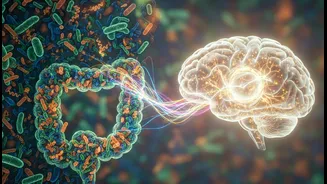
The phrase “gut feeling” is more literal than you might think. Our gut and brain are in constant communication through a complex network known as the gut-brain axis. This bidirectional superhighway involves the nervous system, hormones, and the immune
system, allowing messages to travel back and forth. A crucial part of this ecosystem is the gut microbiome—trillions of bacteria and other microbes living in our digestive tract. These microbes help produce neurotransmitters, including serotonin and dopamine, which play a significant role in regulating our mood. Research has linked the health and diversity of our gut bacteria to various mental health conditions, including anxiety and depression. An unhealthy diet can disrupt this delicate balance, while a nutrient-rich one can help it thrive.
Why Patterns Outperform Single Foods
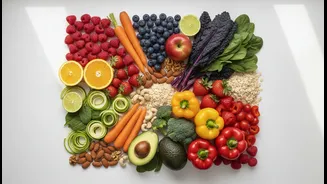
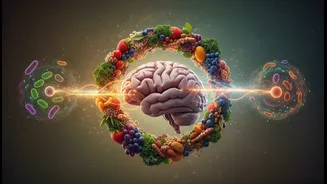
While it is tempting to search for a single 'superfood' to solve all our problems, research consistently shows that overall dietary patterns have a more significant impact on mental health. Rather than focusing on one nutrient, a healthy pattern provides a wide array of vitamins, minerals, antioxidants, and fiber that work together synergistically. Diets like the Mediterranean diet, rich in fruits, vegetables, whole grains, lean proteins, and healthy fats, have been strongly associated with a reduced risk of depression. This approach focuses on the cumulative effect of whole foods, which helps reduce inflammation, lower stress responses, and support a diverse gut microbiome—all factors that contribute to better mental resilience.
Key Nutrients for a Happier Brain
Certain nutrients are particularly important for brain function and emotional regulation. Omega-3 fatty acids, found in fatty fish like salmon, as well as in walnuts and chia seeds, are crucial for building brain cells. B vitamins, especially B12 and folate, which are present in leafy greens, eggs, and legumes, are vital for producing the brain chemicals that affect mood. Minerals such as magnesium and zinc, found in pumpkin seeds, nuts, and whole grains, play a key role in nerve signaling. Antioxidants from colourful fruits like berries and vegetables like broccoli help protect the brain from oxidative stress, a process linked to brain aging. Incorporating a variety of foods rich in these nutrients provides the building blocks your brain needs to function optimally.
Practical Steps Toward Mindful Eating
Adopting a brain-supportive eating pattern doesn't require a radical overhaul. The goal is to make small, sustainable shifts. Start by aiming to “eat the rainbow,” incorporating a variety of colourful fruits and vegetables into your meals each day to maximize your intake of different antioxidants and vitamins. Prioritize whole foods over ultra-processed ones, which are often high in refined sugars and unhealthy fats that can lead to inflammation and mood swings. Swapping refined grains for whole grains like brown rice, quinoa, and oats can provide a steadier supply of energy to your brain. Lastly, don't forget hydration; even mild dehydration can affect your concentration and mood. The key is progress, not perfection.
A Powerful Tool, Not a Panacea
It is crucial to maintain perspective: while a healthy diet can be a powerful tool to support mental well-being, it is not a replacement for professional mental health care. The headline says it best—food supports, but does not control, our mental state. Factors like genetics, life circumstances, sleep, and physical activity all play significant roles. Nutritional psychiatry is an emerging field that complements traditional treatments like therapy and medication, not one that dismisses them. Viewing food as one component of a holistic approach empowers you to take actionable steps in your daily life to bolster your mental health, without placing the unfair burden of a 'cure' on your plate.