







The Dark Side of a Bright Idea
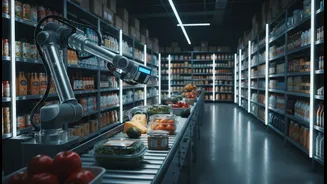
Quick-commerce platforms have built their empires on the promise of unprecedented speed, facilitated by a network of 'dark stores'—small, hyperlocal warehouses designed for rapid order fulfillment. However, the relentless pressure to pick, pack, and dispatch
orders in minutes can create significant operational challenges. Recent actions by the Food Safety and Standards Authority of India (FSSAI) against several quick-commerce facilities have brought issues of hygiene, storage, and food handling into the spotlight. This has raised questions for millions of shoppers who rely on these services but have no visibility into the conditions where their food is stored.
Common Red Flags at Your Doorstep
Consumer complaints highlight a pattern of recurring issues. One of the most frequent problems is the delivery of products, like bread or dairy, that are just a day or two away from their 'best before' date. In more serious cases, customers have reported receiving completely expired items, including infant food formulations and packaged snacks. Another major area of concern is the integrity of the cold chain—the system that keeps perishable items at a safe temperature. Reports of spoiled milk, rotten eggs, and contaminated items suggest that maintaining temperature from the dark store to the customer's home is a significant hurdle. Minor temperature fluctuations during the last-mile delivery can lead to spoilage and food safety risks.
Why Quality Lapses Happen
The operational model of quick commerce is complex. Dark stores must manage thousands of products, and the pressure for speed can lead to lapses in standard procedures like stock rotation ('first in, first out'). Staff may be rushed, and internal checks might be deprioritised. Furthermore, the last-mile delivery itself is fraught with challenges. Delivery partners on two-wheelers often lack the refrigerated compartments necessary to maintain the cold chain, especially in a hot climate. Every minute a delivery bag is opened, or a vehicle is stuck in traffic, the risk of temperature fluctuations and spoilage increases.
Your First Line of Defence: The Doorstep Check
As a consumer, you have the power to protect yourself. Before the delivery person leaves, perform a quick inspection. Check the expiry dates on dairy, bread, and packaged goods. FSSAI mandates that products should have at least 30% of their shelf life remaining or be 45 days from expiry. For fresh produce, look for visible signs of spoilage, bruising, or foul odours. Check frozen items to ensure they are still solid and cold, and that dairy items don't feel warm. Don't hesitate to reject any item that seems 'off'. Most platforms have a return policy, but it’s more effective to refuse a questionable product at the point of delivery than to seek a refund later.
Building Safer Online Shopping Habits
Beyond the doorstep check, a few smart habits can reduce your risk. Before ordering, check the app or website to see if it displays expiry information for products; some platforms are more transparent than others. Be cautious when ordering highly perishable items like meat, fish, and certain dairy products, especially during hot weather. It’s also wise to wash all fruits and vegetables thoroughly after delivery. Finally, if you do receive an unsafe, expired, or spoiled product, don't just accept a refund. Report the issue to the platform's customer service and, for serious lapses, consider filing a complaint with consumer forums or FSSAI to help drive accountability.