



The King's Dethroning: Sourav Ganguly
The conflict between captain Sourav Ganguly and coach Greg Chappell in 2005-06 remains one of the most turbulent chapters in Indian cricket. Ganguly, credited with building a formidable team, found himself at odds with the new coach. The dispute became
public during a tour of Zimbabwe when Chappell allegedly suggested Ganguly step down. Soon after, a confidential email from Chappell to the BCCI was leaked, citing that Ganguly was “mentally and physically unfit” to lead. The selectors sided with the coach. Ganguly, the beloved ‘Dada’ of Indian cricket, was first removed from the captaincy and then dropped from the ODI and Test squads. The decision caused uproar, with street protests in Kolkata and debates in Parliament. While one camp argued that no player was bigger than the game and that a dip in form warranted action, others saw it as a betrayal of a captain who had transformed the team's fortunes. Ganguly eventually made a resilient comeback, but the episode left deep scars on Indian cricket.
The Future Legend Left Behind: Rohit Sharma
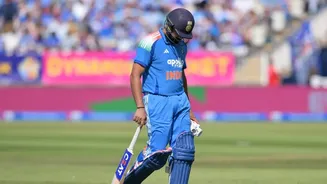
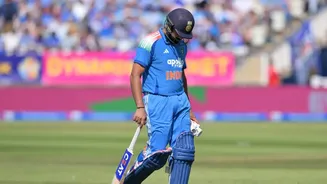
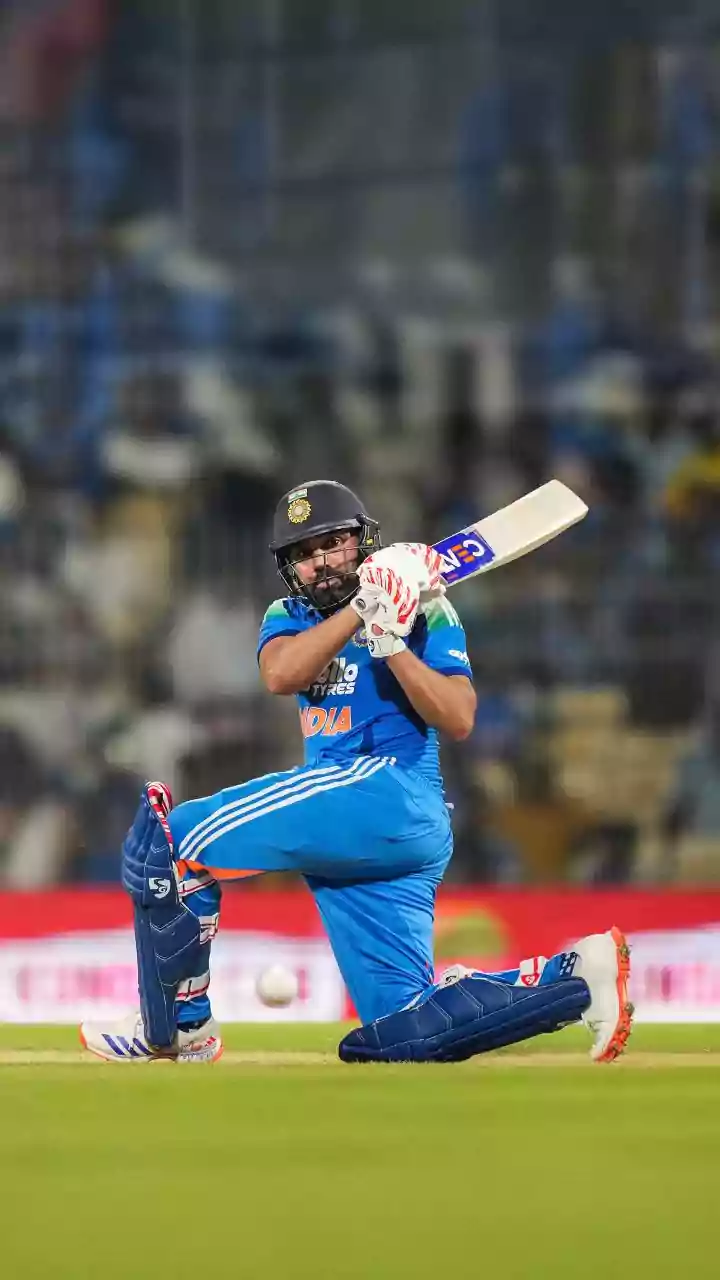
It’s hard to imagine today, but Rohit Sharma, the 'Hitman', was left out of India's victorious 2011 World Cup squad. At the time, Sharma was a promising but inconsistent middle-order talent. The selection committee, led by Kris Srikkanth, opted for an extra spinner in Piyush Chawla and preferred Suresh Raina and Yusuf Pathan for their finishing and part-time bowling abilities. The official reasoning revolved around finding the perfect team balance for home conditions. For fans, the debate was fierce. One side backed the selectors' focus on a flexible, spin-heavy squad, which ultimately proved to be a winning strategy. The other side lamented the exclusion of a batsman with immense potential, who they felt could have been a match-winner. Sharma himself admitted his disappointment was a major setback that motivated him to transform his career. In hindsight, his exclusion from the team that lifted the trophy at his home ground, the Wankhede Stadium, remains a major 'what if' moment.
The 3D Saga: Ambati Rayudu
Leading up to the 2019 World Cup, India's search for a stable number four batsman seemed to have ended with Ambati Rayudu. Captain Virat Kohli had publicly backed him for the crucial spot. However, when the squad was announced, Rayudu was shockingly omitted in favour of all-rounder Vijay Shankar. Chief selector MSK Prasad justified the decision by stating that Shankar brought “three-dimensional” skills (batting, bowling, and fielding) to the team. The explanation was met with widespread criticism and ridicule. Rayudu famously posted a sarcastic tweet: “Just Ordered a new set of 3d glasses to watch the world cup.” The decision split fans. Some understood the management's desire for a multi-skilled player, but a larger section felt that a specialist batsman, who had been groomed for a specific role, was unfairly discarded for a less-proven alternative. India's middle-order struggles during the tournament, especially in the semi-final loss, only intensified the debate.
The Triple Centurion's Disappearance: Karun Nair
Scoring a triple century in Test cricket is a monumental feat that should cement a player's place in the team. For Karun Nair, it became a puzzling footnote. In December 2016, he became only the second Indian to score 300 in a Test, with an unbeaten 303 against England. Yet, in the very next Test match, he was dropped to make way for the returning senior batsman, Ajinkya Rahane. Nair remained in the squad for subsequent tours but often warmed the bench, even seeing other players flown in as replacements and played ahead of him. He played only three more Tests after his triple ton. This mystifying exclusion left fans and experts bewildered. The management's perspective seemed to be that Nair was a temporary replacement and that established players would regain their spots. However, a vast number of fans saw it as a gross injustice, arguing that such a historic performance should have earned him a longer run in the team. Nair himself later spoke about the lack of communication from the selectors, making his case one of Indian cricket's most perplexing stories.
The Quiet Transition: Kumble to Dhoni
Not all divisive calls are born from conflict. In 2008, veteran leg-spinner and respected captain Anil Kumble announced his retirement mid-way through a Test series against Australia. He handed the reins to a young Mahendra Singh Dhoni, who was already leading the white-ball teams. While Kumble’s retirement was his own decision, the formal passing of the Test captaincy to Dhoni marked a definitive shift in leadership. The debate among fans was more philosophical. Traditionalists were cautious about handing the captaincy in all three formats to a young, unconventional wicketkeeper-batsman, especially with senior players still in the team. They revered Kumble's steady, experienced leadership. A more forward-thinking group of fans embraced the change, seeing Dhoni's calm demeanour and bold tactics as the future of Indian cricket. Kumble himself endorsed Dhoni as the right man for the job, ensuring a smooth transition. The incredible success that followed, including India becoming the number one Test team, ultimately validated the decision, but at the time it was a significant and debated change of guard.