


The Unseen Difference in Your Grains
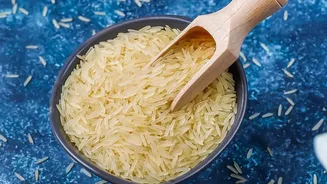
Most of us think of rice as a uniform, non-perishable staple. But just like wine, some rice is better when aged. Rice is generally categorised as either 'new' or 'old'. New rice is from a recent harvest, usually milled and sold within a few months. Old,
or aged, rice has been stored in controlled conditions for at least six months to a year, and sometimes longer. This ageing process isn't just about storage; it purposefully enhances the grain's cooking qualities, aroma, and flavour.
The Science of an Ageing Grain
The primary change that occurs as rice ages is a reduction in moisture content. Freshly harvested rice has a higher natural moisture level. Over time, the grains slowly dry out, causing the internal starch structure to become firmer and more stable. This might sound like a minor chemical tweak, but it dramatically alters how the grain behaves in hot water. The starches in aged rice are less prone to breaking down and becoming sticky during cooking. This structural change is the key to achieving the distinct, separate grains prized in many culinary traditions.
How This Affects Your Cooking
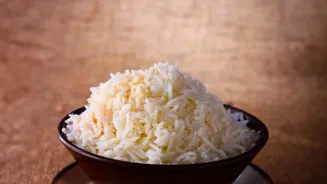
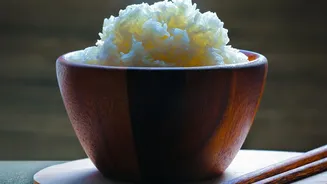
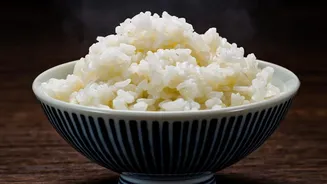
The difference in moisture and starch content directly translates to the cooking pot. Because aged rice is drier, it needs to absorb more water to become tender. This increased absorption, combined with its firm structure, allows it to swell and cook into light, fluffy, and separate grains. This makes it perfect for dishes like biryani, pulao, and fried rice, where individual grains are desired. Conversely, new rice contains more moisture, so it requires less water and cooks faster. Its softer starches tend to release more, resulting in a stickier, softer, and sometimes clumpy texture, which can be ideal for creamy dishes like risotto, congee, or certain rice-based desserts.
Adjusting Your Technique for Perfect Rice
Once you know whether your rice is new or old, you can adjust your cooking method for more consistent results. For aged rice, you'll generally need to use slightly more water than the standard ratio to compensate for its lower moisture content. Soaking aged rice for about 20-30 minutes before cooking can also help rehydrate the grains and ensure an even texture. For new rice, you should do the opposite and slightly reduce the amount of water to prevent it from becoming mushy. Since it cooks faster, keep a closer eye on it to avoid overcooking. A simple rule is to start with a standard 1:1.5 or 1:2 rice-to-water ratio and then tweak it based on age: a little more water for old, a little less for new.
Is Aged Rice Always the Better Choice?
In many cultures, particularly for long-grain varieties like Basmati, aged rice is considered superior. It not only provides a desirable fluffy texture but also develops a richer, nuttier aroma and flavour over time. Because the grains are less sticky, they are also better at absorbing the spices and flavours of the dish they're cooked in. Some also find aged rice easier to digest due to the changes in its starch structure. However, the 'better' rice truly depends on the dish. The stickiness of new rice is a feature, not a flaw, when making Japanese sushi rice or a creamy South Indian curd rice. The choice between new and old ultimately comes down to your culinary goal.