



An Ideal Year for Stargazing
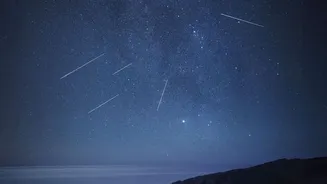
The Perseid meteor shower is an annual event caused by Earth passing through the debris trail of Comet Swift-Tuttle. This year, conditions are nearly perfect. The shower's peak on the night of August 12-13, 2026, coincides with a new moon. This means
the sky will be exceptionally dark, with no moonlight to wash out the fainter meteors, making 2026 one of the best viewing opportunities in years. Under ideal conditions, away from city lights, observers could see anywhere from 50 to 100 meteors per hour.
When and How to Watch in India
The best time to view the Perseids in India will be in the late hours of August 12 and into the pre-dawn hours of August 13. For the most spectacular views, plan your stargazing session between 2:00 AM and 4:30 AM IST on August 13. During this time, the shower's radiant point—the constellation Perseus from which the meteors appear to originate—will be higher in the sky, increasing the number of visible meteors. While the global peak rate occurs during daylight hours for India, the pre-dawn window still promises a fantastic show.
Essential Viewing Tips
You don't need any special equipment like telescopes or binoculars to enjoy the show. The most important factor is to get away from the light pollution of cities and towns. Find a dark, open area with an unobstructed view of the sky. Allow your eyes at least 20-30 minutes to fully adapt to the darkness; this means avoiding looking at your phone screen. Get comfortable—bring a blanket or a reclining chair, lie back, and look up. Patience is key, but the reward of seeing brilliant streaks of light blaze across the atmosphere is well worth the wait.
High Altitudes of Ladakh
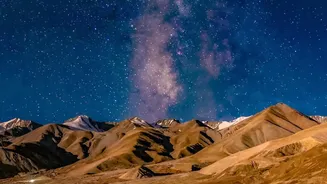
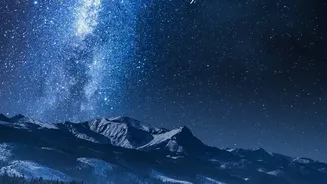
For the most pristine skies, Ladakh is unparalleled. Its high altitude, dry climate, and minimal light pollution create near-perfect stargazing conditions. Hanle, home to India's first official Dark Sky Reserve, is considered one of the best locations on the planet for astronomy. Here, the Milky Way is a brilliant, textured band, and even faint meteors will be visible. Other excellent spots in the region include Nubra Valley and the areas around Pangong Tso, where the vast, dark skies offer a truly immersive celestial experience.
The Cold Deserts of Himachal Pradesh
Spiti Valley offers another high-altitude desert experience with incredibly dark skies. Remote villages like Kaza, Kibber, and Langza serve as excellent bases for watching the meteor shower framed against dramatic mountain landscapes and ancient monasteries. The region's isolation from major urban centres ensures that light pollution is virtually nonexistent, promising a clear and brilliant view of the Perseids as they streak across the sky. The dry climate also means there's a good chance of cloud-free nights during the shower's peak.
The Vast Plains of Gujarat and Rajasthan
You don't have to head to the Himalayas for a great view. The vast, flat expanse of the Rann of Kutch in Gujarat offers an uninterrupted, 360-degree view of the heavens. On a moonless night, the white salt desert can even seem to reflect the starlight, creating a surreal and magical atmosphere. Similarly, the Thar Desert near Jaisalmer in Rajasthan provides an accessible and spectacular stargazing experience. Many desert camps in areas like the Sam Sand Dunes offer visitors the chance to watch the night sky far from any city glow.
The Hills of the Western Ghats
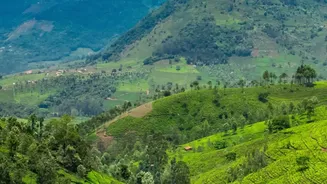
For those in southern and western India, the Western Ghats offer several pockets of darkness perfect for stargazing. In Karnataka, Coorg's coffee plantations, away from the main town of Madikeri, provide a tranquil setting to watch the shower. Further north in Maharashtra, the hill station of Matheran, which has a no-vehicle policy, offers surprisingly dark skies just a short trip from Mumbai. Finding a secluded homestay or a viewpoint away from the main tourist hubs will give you the best chance of a clear view.