







Meet the 'Skintellectual'
The days of choosing a product based on brand name or a single celebrity endorsement are fading. A new archetype is driving the market: the 'skintellectual'. Armed with smartphones and a desire for results, these consumers research ingredients, compare
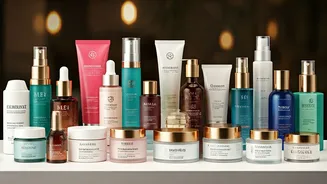
formulations, and seek out reviews from trusted influencers. They are no longer just buying creams; they are buying concepts like hyaluronic acid, niacinamide, and retinol. This shift from marketing-led persuasion to formulation-led credibility means brands must be transparent about what is in their products and why. This new consumer prioritises efficacy and is increasingly willing to pay a premium for products that deliver visible results.
The Digital Disruption
The rise of the demanding consumer is inseparable from the digital revolution. E-commerce platforms and quick commerce apps have made beauty products more accessible than ever, breaking down barriers for consumers in Tier-2 and Tier-3 cities. This has fueled the explosive growth of Direct-to-Consumer (D2C) brands, which leverage social media to build communities, educate buyers, and gather direct feedback. With 67% of consumers trusting influencer recommendations over traditional ads, these digital-native brands can bypass legacy retail channels and connect directly with their target audience, forcing larger, established players to rethink their strategies.
The Shift from Price to 'Premiumization'
India's beauty market is rapidly moving up the value chain. This trend, known as “premiumization,” is not simply about luxury pricing. It's about a willingness to pay more for quality, performance, and specific benefits. Consumers are engaging in “hi-lo” spending, perhaps buying a mass-market facewash but splurging on a high-performance serum. This has led to the rise of 'stepification,' where consumers adopt more intricate, multi-step routines involving specialized products like toners, essences, and masks, further driving the demand for premium and niche offerings. This shift is reshaping the market, with the premium segment projected to nearly double by 2028.
A Demand for Clean, Vegan, and Inclusive Beauty
Today's consumers are demanding more than just efficacy; they want products that align with their values. There is a growing demand for 'clean' beauty, with formulations free from harmful chemicals like parabens and sulfates. The call for vegan and cruelty-free products is also getting louder, with consumers becoming more conscious of the ethical implications of their purchases. Furthermore, there is a strong push for inclusivity. Homegrown brands are gaining traction by developing products specifically for Indian skin tones and climatic conditions, a need often overlooked by international brands. This combination of health, ethical, and local relevance is a powerful force that brands can no longer ignore.
How Brands Are Responding
The industry is scrambling to adapt. Legacy giants are acquiring successful D2C brands, like HUL's acquisition of Minimalist, to gain a foothold in the premium, digital-first space. New-age brands are winning by building authentic communities and being hyper-responsive to consumer needs. Retail is also evolving from a point of transaction to a point of experience, with stores offering consultations and trials to educate and build trust with shoppers. Whether a global powerhouse or a homegrown startup, the message is clear: the Indian beauty consumer is now in the driver's seat, and only the most transparent, innovative, and responsive brands will thrive.