



More Than Just a Flavour
Lemon does more than just make things taste good; it performs several key functions in baking. The acidity in lemon juice can react with leavening agents like baking soda to help cakes rise and create a tender crumb. It also cuts through richness and balances
sweetness, preventing desserts from tasting flat or overly sugary. This dual power, providing both flavour and chemical assistance, is what makes lemon a baker's secret weapon. Understanding this is the first step to moving beyond simply following a recipe to truly controlling the outcome of your desserts.
Zest vs. Juice
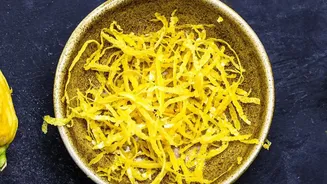
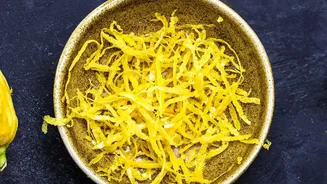
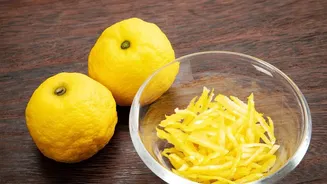
A common question for home bakers is when to use lemon zest versus lemon juice. The answer lies in what you want to achieve. Lemon zest, the fragrant yellow outer peel, contains aromatic oils. This is where the pure, floral 'lemony' scent and flavour live. Use it when you want to infuse a bake with aroma without adding extra liquid or too much acidity. A great trick is to rub the zest into your sugar before mixing to release those oils and distribute the flavour more evenly. Lemon juice, on the other hand, provides the sharp, tangy acidity. It’s essential for glazes, curds, and for providing the acidic kick that balances sweetness. For a truly deep and complex lemon flavour, the best desserts use both.
Mastering the Sweet-Tart Balance
The magic of a perfect lemon dessert is the delicate dance between sweet and tart. Too much sugar, and you lose the lemon's bright character. Too much lemon juice, and it can be unpleasantly sour. The key is to balance the sharp acidity with sweetness and fat. Ingredients like butter, cream, and eggs help to round out and soften the tart edges of the lemon, creating a richer, more satisfying flavour. If your lemon curd or glaze tastes a little flat, it might not need more sugar or acid, but a tiny pinch of salt, which helps to enhance and balance both elements.
Iconic Lemon Desserts to Try
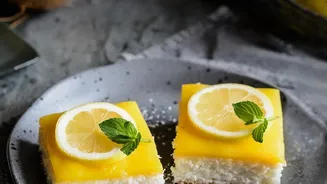
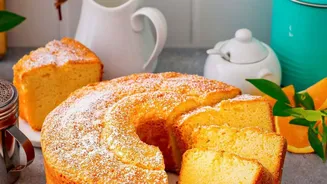
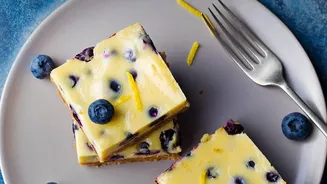
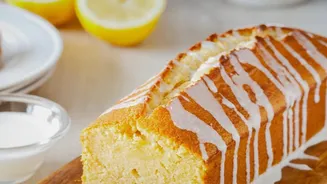
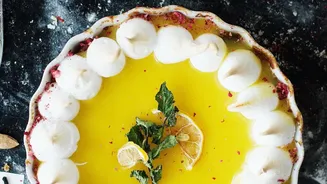
Once you understand the basics, you can apply them to a world of classic lemon desserts. A Lemon Drizzle Cake is a perfect starting point, using zest in the sponge for aroma and a juice-based syrup to soak in for moisture and tang. A classic Lemon Tart showcases a rich, tangy lemon curd filling set in a buttery shortbread crust, a beautiful example of how fat balances acidity. For something simpler, Lemon Bars offer a gooey, sweet-tart topping over a simple crust, delivering a powerful citrus punch. Other popular choices that highlight the versatility of lemon include Lemon Meringue Pie, Lemon Cheesecake, and soft Lemon Cookies.
Pro Tips for Perfect Lemon Treats
To elevate your lemon baking, keep a few simple tips in mind. Always zest your lemon before you juice it; it’s much harder to zest a squeezed lemon. Use a microplane or fine grater for the zest, and be careful to only take the yellow peel, not the bitter white pith underneath. Freshly squeezed juice is always superior to bottled, which often has preservatives that can impart a chemical taste. And don't be afraid to layer your lemon flavour. For an intense result, you can use zest in the batter, a lemon syrup to soak the warm cake, and a lemon glaze on top for a triple hit of citrus.