




What Exactly Is the Showroom Effect?
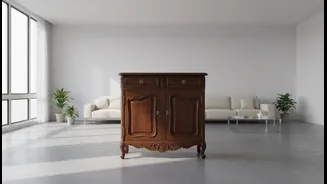
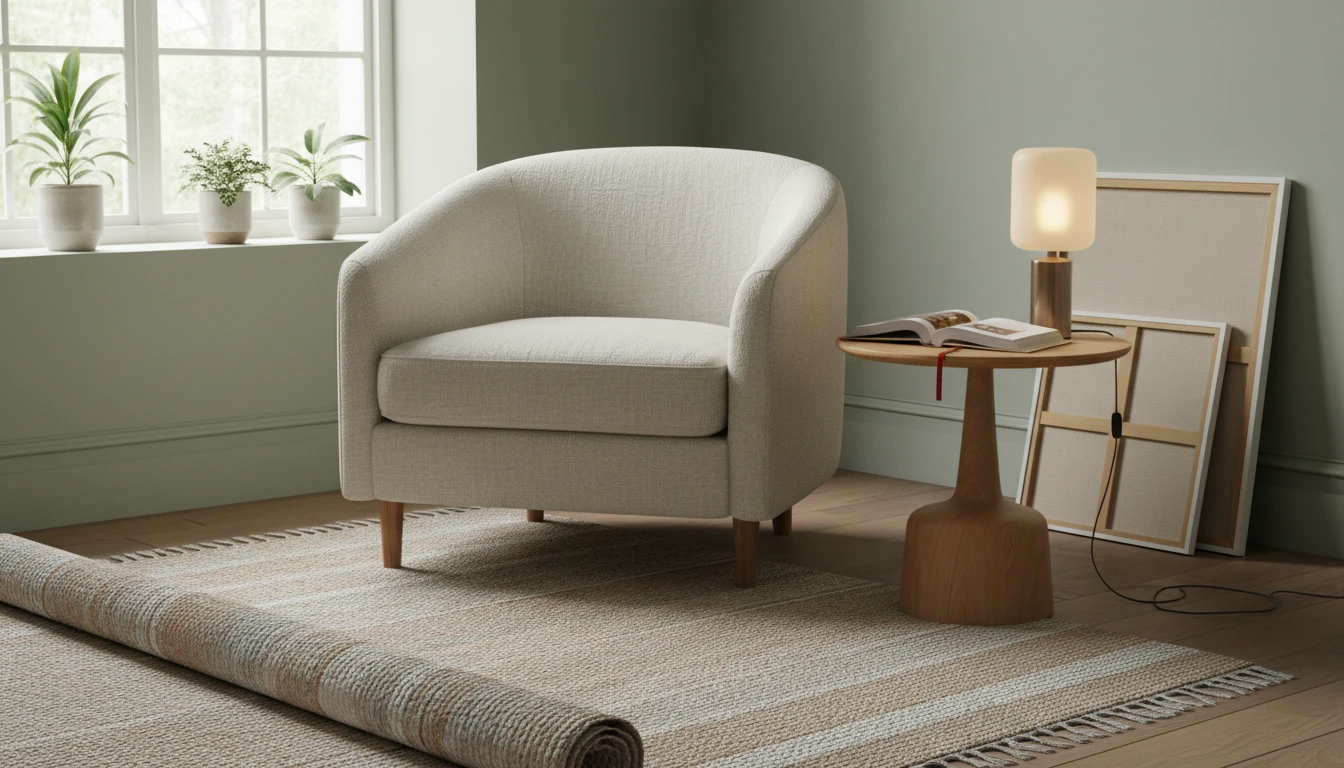
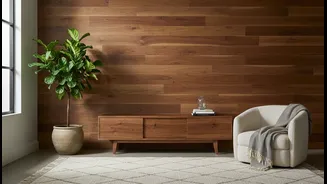
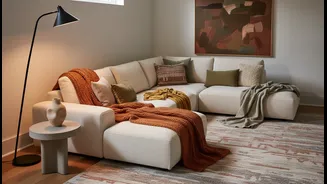
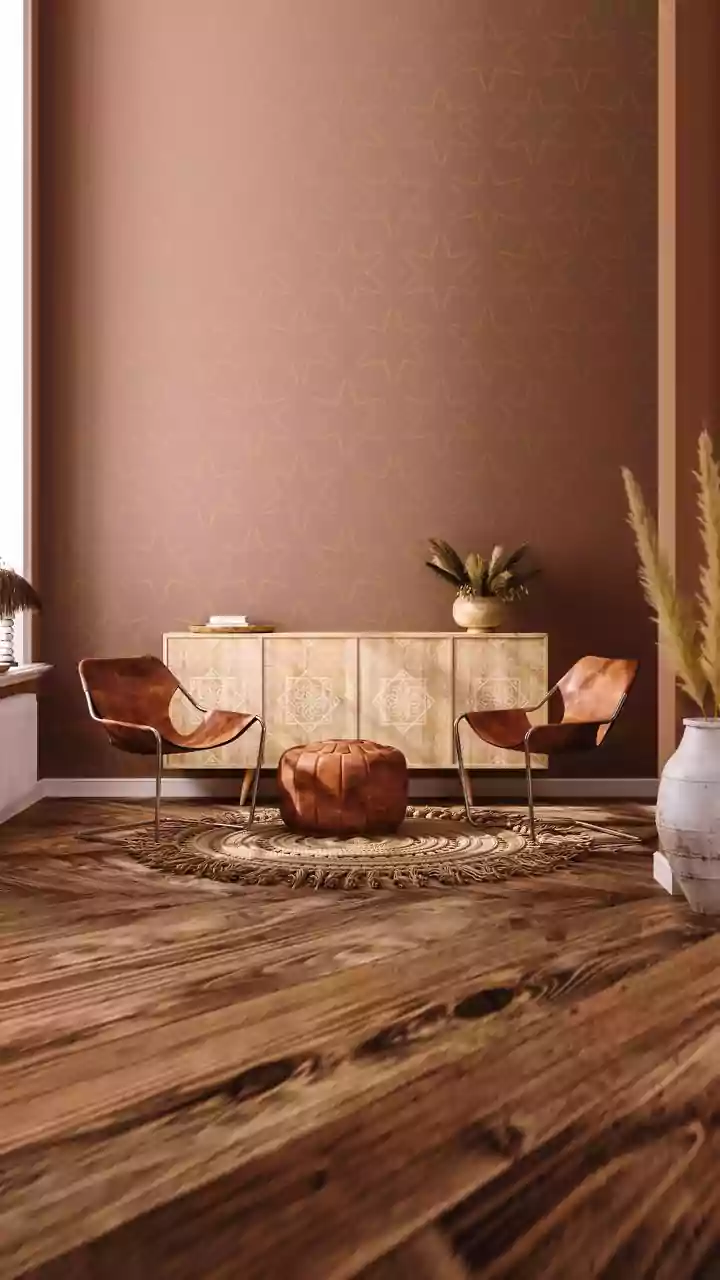
The showroom effect is the tendency for our homes to look like they were lifted directly from a furniture catalogue or a big-box store display. It happens when we buy everything from one place, resulting in a space that’s coordinated but completely impersonal.
While convenient, this approach strips a home of its most crucial ingredient: you. These spaces are designed to appeal to everyone, which means they truly reflect no one. The result is a home that feels staged, generic, and devoid of the stories and quirks that make a living space feel authentic and comforting. A home should be a sanctuary, a reflection of your journey and tastes, not a sterile environment that could belong to anyone.
Weaving Your Story with Local Textiles
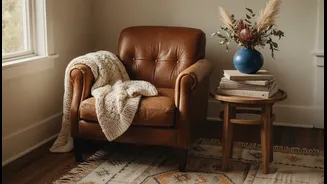
This is where the magic of local textiles comes in. India has a treasure trove of handloom traditions, each telling the story of its region. A vibrant Bandhani throw from Gujarat or Rajasthan adds a splash of colour and history that no mass-produced blanket can replicate. Consider using Kutch embroidery with its intricate mirror work for cushion covers, bringing a festive, artisanal spirit to your sofa. A length of Kalamkari fabric, with its hand-painted mythological motifs, can become a stunning wall tapestry or a unique table runner. These textiles are not just decorative items; they are pieces of cultural heritage. The slight imperfections in the weave or print are not flaws but signatures of the human hand that created them, adding character and warmth. By incorporating these fabrics, you are quite literally weaving your own narrative into your home's design.
The Soul of Handmade Objects
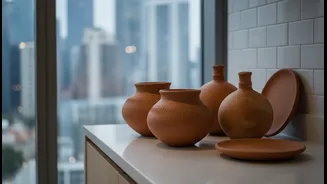
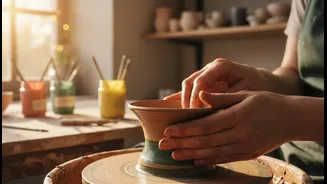
Beyond textiles, handmade objects infuse a home with a unique spirit. Think of the earthy appeal of terracotta pottery from West Bengal, the cool elegance of blue pottery from Jaipur, or the intricate brassware from Moradabad, often called the "Brass City". Each handmade item carries the imprint of its maker. You can feel the care and skill that went into its creation, a connection that is impossible with a factory-made product. These are not just objects; they are conversation starters. A hand-carved wooden screen from Saharanpur or a set of Cheriyal scroll paintings from Telangana does more than just fill a space; it introduces art, history, and a tangible human element into your daily life. Supporting these crafts also helps sustain the livelihoods of artisans and preserves generations-old skills.
How to Get Started (Without Overhauling Everything)
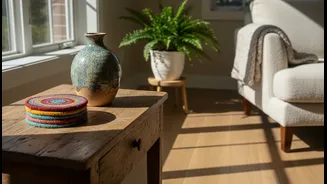
Breaking the showroom effect doesn't require a complete redesign. The key is to start small and choose pieces that genuinely speak to you. Begin by swapping out generic cushions for ones made from hand-block printed fabrics. Add a single, beautiful handmade rug to anchor your living room. Visit local markets like Dilli Haat or state emporiums, which were created to connect artisans directly with consumers. Don't worry about perfect matching. The goal is to create a curated collection that reflects your personality. Mix a modern, minimalist sofa with a rustic, hand-carved side table. The contrast is what creates visual interest and makes the space feel dynamic and lived-in. Let your home evolve over time as you discover new pieces during travels or visits to local fairs. The most personal homes are built, not bought in a day.