
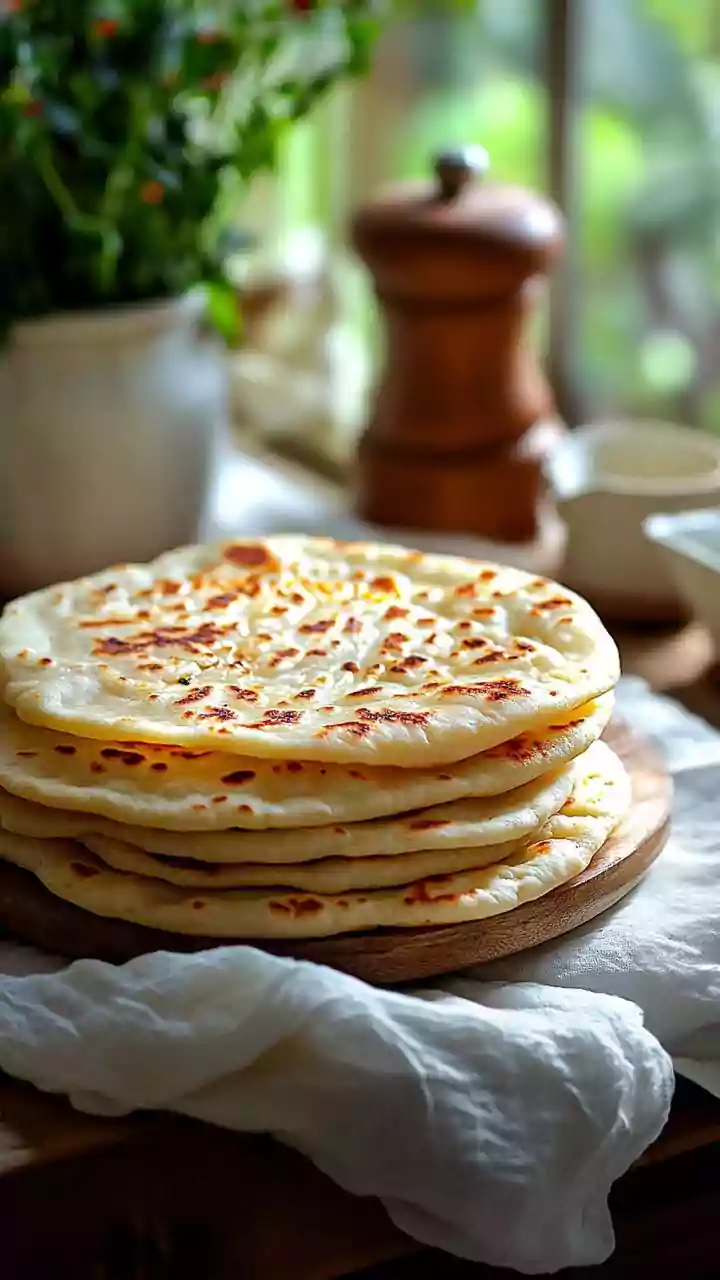
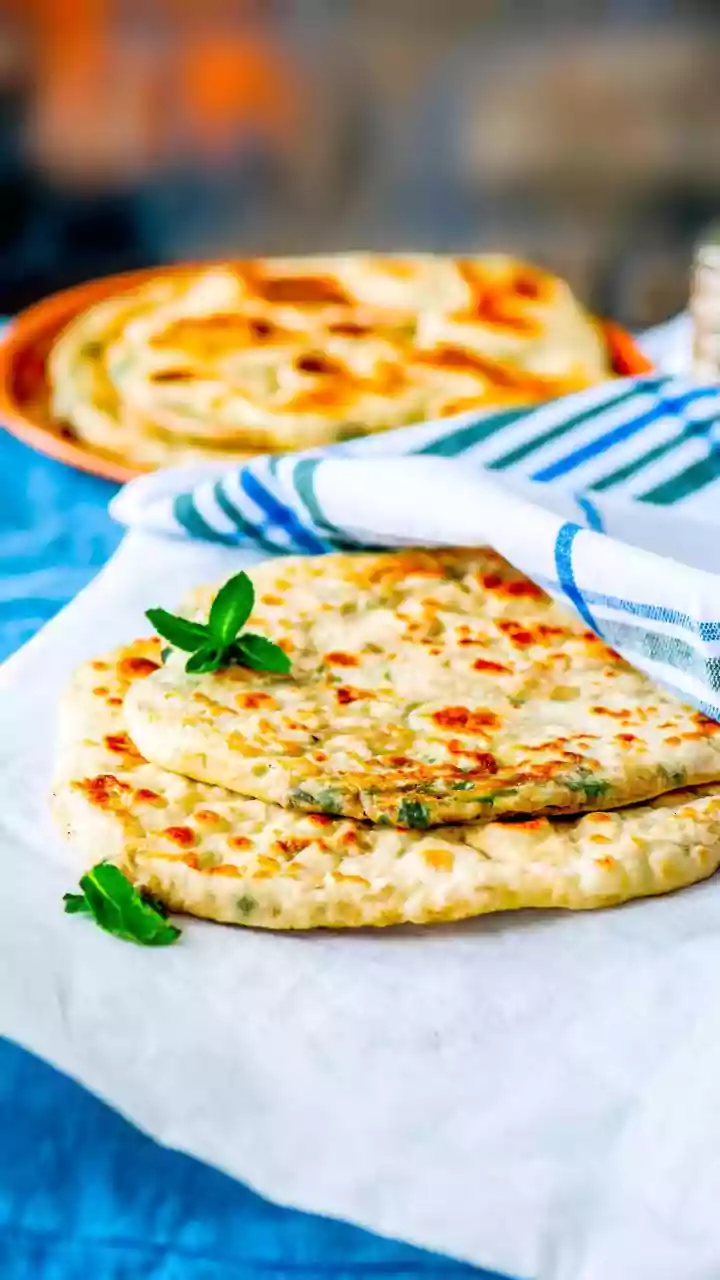



The Tawa Is Your New Tandoor
The single biggest hurdle for homemade naan has always been the absence of a tandoor, the traditional clay oven that reaches scorching temperatures of over 480°C. That intense, dry heat is what cooks the bread in minutes, creating its signature puffy
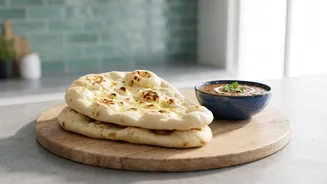
texture and charred spots. However, home cooks are now mastering the art of mimicking this environment with a humble cast-iron tawa or skillet. The key is heat retention. By preheating a heavy cast-iron pan until it's smoking hot, you create a searing surface that instantly cooks the bottom of the dough. For an even closer match, some ingenious cooks flip the entire tawa upside down over a direct gas flame. The dough, having been stuck to the pan with a light brush of water, cooks directly in the flame, developing the authentic char and bubbles that were once exclusive to restaurants.
Ditching Yeast for Quicker Dough
Traditional naan dough is leavened with yeast, which requires time to activate and rise. For a weeknight meal, that’s often a step too far. The modern home cook’s solution is to use faster-acting leavening agents. A combination of baking powder, baking soda, and full-fat yogurt (dahi) has become a popular and effective substitute. The acid in the yogurt reacts with the baking soda to create carbon dioxide bubbles, giving the dough a quick lift and an incredibly soft, tangy crumb without any proving time. Many recipes now champion this 'instant' or 'no-yeast' approach, with some consisting of just two primary ingredients: self-raising flour and Greek yogurt. This simplified method means you can mix a dough and have it ready to cook in under 15 minutes, making fresh naan a completely realistic side for any meal.
The Secrets of a Soft Dough
Beyond the cooking method, the texture of the dough itself is critical. Restaurant naan is beloved for its chewiness, which comes from a well-hydrated and pliable dough. Home cooks have learned that the dough should be soft, even slightly sticky, to produce the softest results. While it might feel tricky to handle, a tackier dough has more moisture, which turns to steam during cooking and helps the bread puff up beautifully. Using enriching ingredients like yogurt, milk, and a bit of oil or ghee is also crucial. These fats don't just add flavour; they tenderize the gluten in the flour, preventing the bread from becoming tough or dry. The kneading process is also shorter than for many other breads; just a few minutes to bring it together into a smooth ball is often enough, followed by a short rest to let the gluten relax.
Finishing Touches Make All the Difference
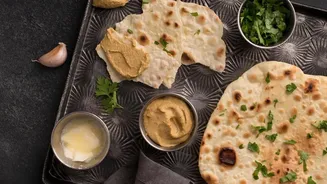
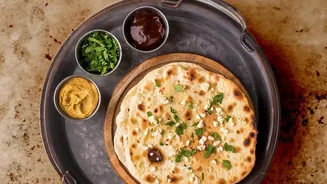
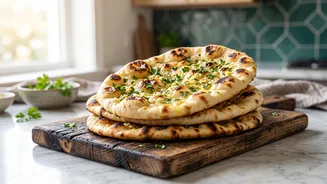
A plain piece of bread becomes a restaurant-quality naan in the final moments. The most important step is brushing the hot, freshly cooked bread with a generous amount of melted butter or ghee. This not only adds a rich, savoury flavour but also keeps the naan soft as it cools. For garlic naan, finely chopped garlic and fresh coriander are often pressed into the dough before rolling or mixed into the melted butter itself. Another classic touch is a sprinkle of kalonji (nigella seeds) pressed onto the surface before cooking, which adds a subtle, peppery aroma and that unmistakable restaurant look. These small but impactful details elevate the final product from a simple flatbread to an authentic, crave-worthy experience that rivals any takeaway.