




As winter's chill sets in, our cravings turn to all things warm and comforting. Fortunately, you don't need exotic ingredients to create satisfying meals. Many everyday Indian foods are perfect for crafting simple, hot, and nourishing dishes.
Bajra: The Warming Millet
Pearl millet,
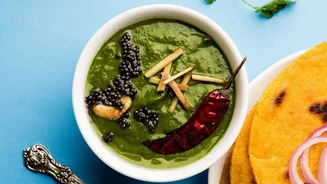
or bajra, is a winter staple in many parts of India for good reason. It is known to generate heat in the body, making it ideal for cold weather. This gluten-free grain is a powerhouse of nutrients, including iron, magnesium, and fibre. These minerals help in strengthening bones and improving blood circulation. The high fibre content aids digestion, which can often become sluggish in winter, and provides a slow release of energy to keep you active all day. A simple Bajra Khichdi, made with moong dal and a dollop of ghee, is a light yet hearty one-pot meal that soothes and nourishes. Alternatively, soft Bajra rotis served with butter and a simple vegetable curry make for a classic, soul-warming dinner.
Sarson: The Quintessential Winter Green
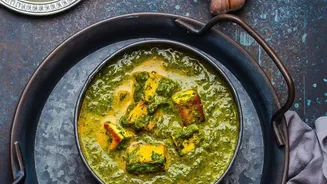
The arrival of winter markets brings with it vibrant bunches of sarson, or mustard greens. This leafy vegetable is synonymous with North Indian winter cuisine. Sarson is packed with essential nutrients, including vitamins A, C, and K, as well as antioxidants that help bolster immunity against seasonal colds and flu. Though it has a unique, slightly bitter flavour, when cooked with other greens like spinach and bathua, it transforms into the iconic Sarson da Saag. This dish is traditionally slow-cooked and finished with ghee or butter, creating a rich, creamy texture. Served hot with Makki di Roti (corn flatbread), it’s a wholesome and deeply satisfying meal that captures the essence of Indian winters.
Sweet Potato: The Healthy Comfort Tuber
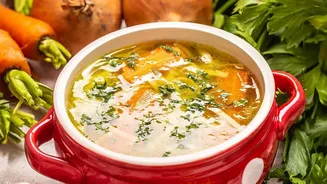
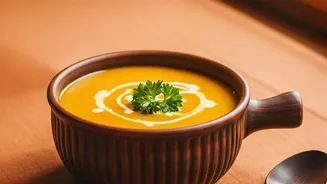
Shakarkandi, or sweet potato, is a versatile winter vegetable that offers both comfort and nutrition. Unlike regular potatoes, it is a source of complex carbohydrates and is rich in fibre and Vitamin A. This makes it a great option for sustained energy without causing sharp spikes in blood sugar. One of the simplest ways to enjoy it is roasted until tender and then turned into a warm 'chaat' with a sprinkle of spices and a squeeze of lime. For a more substantial meal, mashed sweet potato, or 'bharta', seasoned with cumin and ginger, makes for a quick and flavourful side dish. You can also make a simple and creamy sweet potato soup, which is both warming and filling.
Amla: The Immunity-Boosting Berry
Amla, the Indian gooseberry, is a true superfood that becomes especially important during winter. It is one of the richest natural sources of Vitamin C, a crucial nutrient for strengthening the body's defences against common winter illnesses like coughs and colds. Its Vitamin C content is also remarkably stable, meaning it doesn't get destroyed by cooking or drying. While its sour taste can be intense, it can be easily incorporated into your diet. A simple amla chutney or a quick pickle can be a great accompaniment to meals. For those with a sweet tooth, a homemade 'murabba' (sweet preserve) tones down the sourness while retaining the berry's health benefits. Consuming amla regularly can also contribute to better skin, digestion, and metabolism.
Ginger & Turmeric: The Power Duo
No Indian kitchen is complete without ginger and turmeric, and their importance only grows in winter. Both roots are celebrated for their warming and anti-inflammatory properties. Ginger aids digestion and helps clear sinuses, while turmeric's active compound, curcumin, is a powerful antioxidant. A steaming cup of ginger tea, perhaps with a few tulsi leaves, is a classic remedy for a winter chill. Turmeric milk, popularly known as 'haldi doodh' or a 'turmeric latte', is a soothing nightly drink that can promote better sleep and support the immune system. Simply simmering grated ginger and turmeric in water or milk creates a potent, comforting beverage to keep you warm from the inside out.