
The Sun's Unpredictable Temper
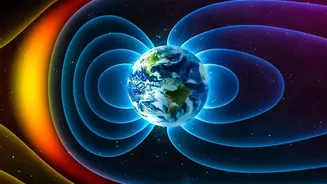
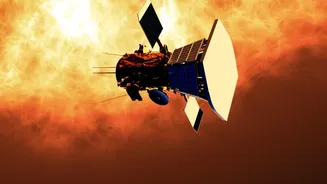
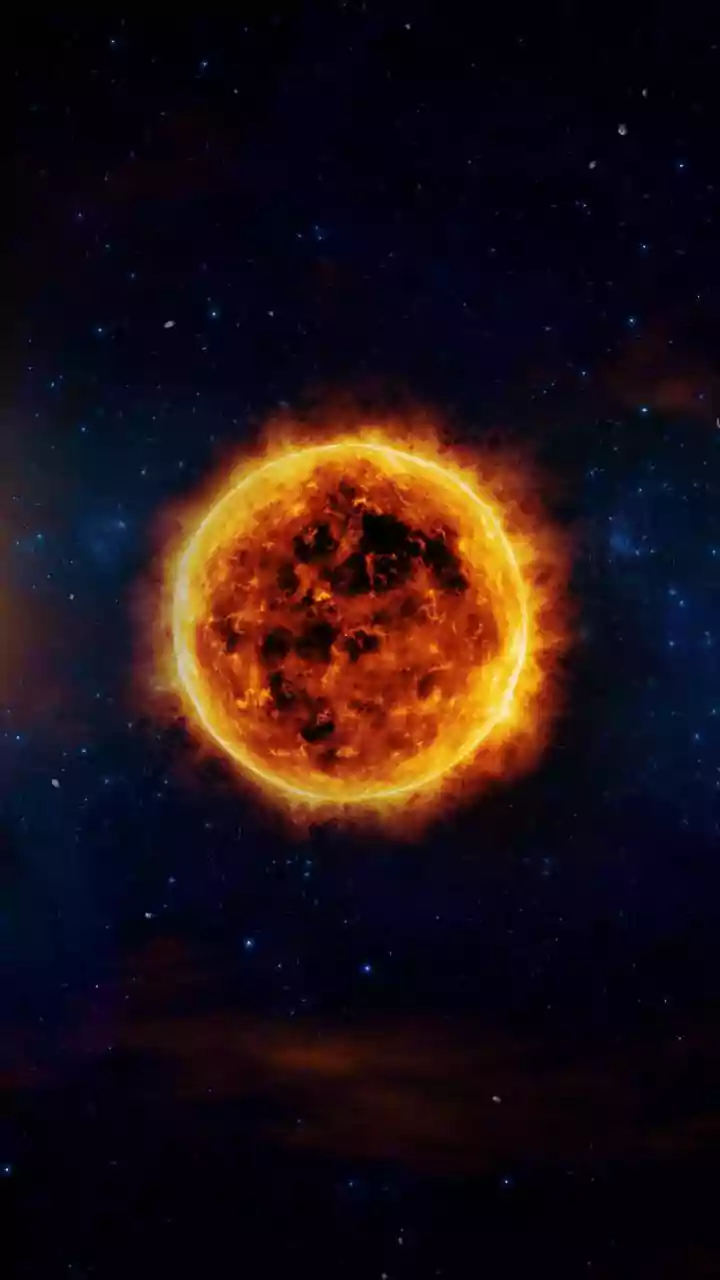
Space weather refers to the changing conditions in space driven by the Sun's activity. The main culprits are solar flares (intense bursts of radiation), coronal mass ejections (CMEs) (massive clouds of charged particles), and high-speed solar wind. When
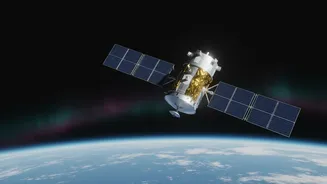
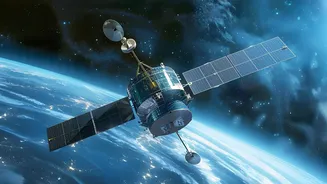
these phenomena are directed at Earth, they can cause significant disturbances in our planet's magnetic field and upper atmosphere. Think of it as a cosmic storm system. While these events can produce beautiful auroras, they also pose a serious risk to our technology-dependent society, particularly the thousands of satellites orbiting our planet.
Satellites in the Firing Line
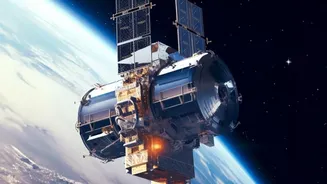
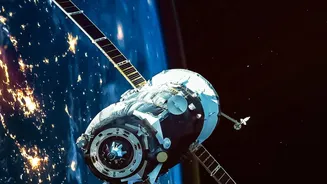
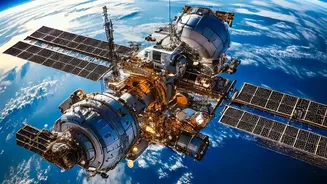
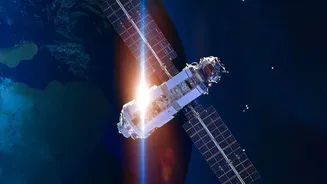
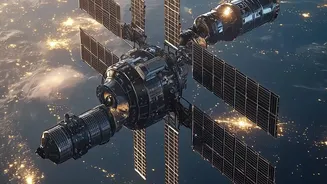
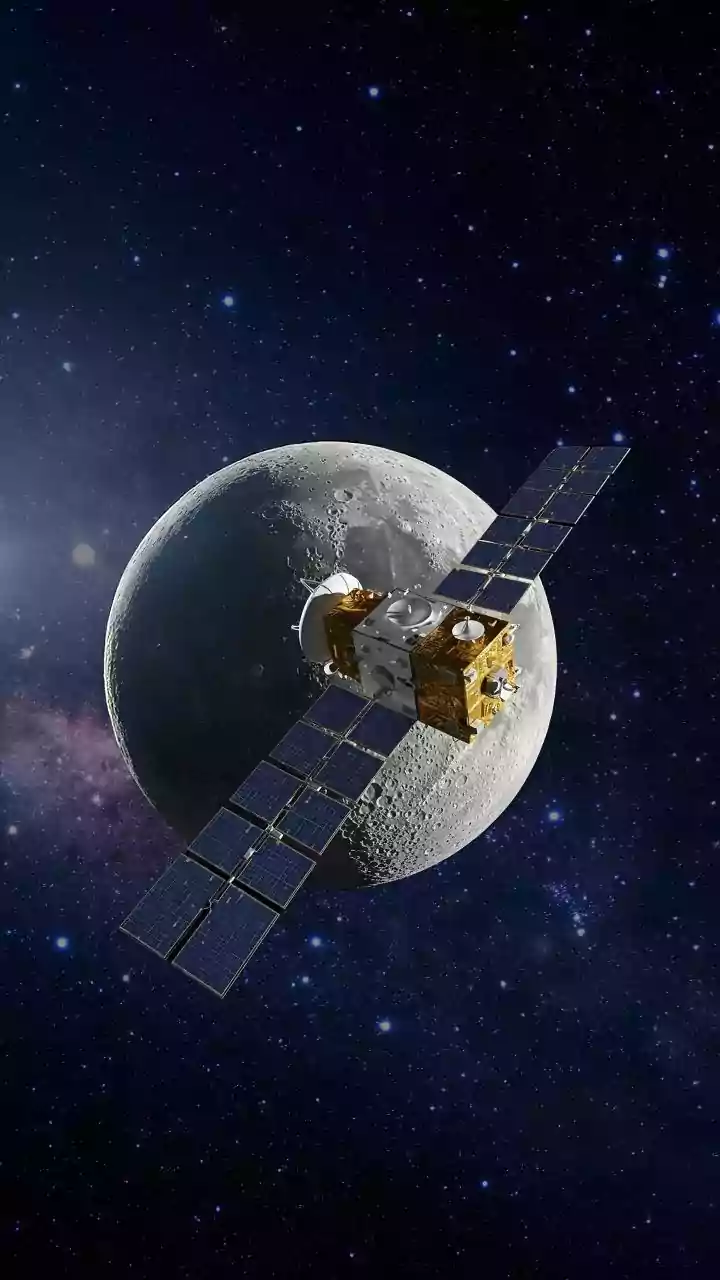
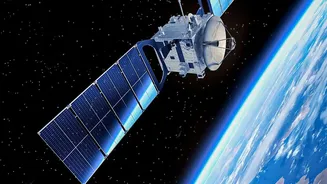
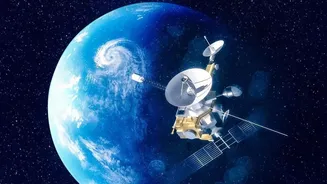
Satellites are highly vulnerable to space weather. Energetic particles can damage sensitive electronics, causing malfunctions or complete failure. During a geomagnetic storm, the Earth's upper atmosphere heats up and expands, increasing the atmospheric drag on satellites in low-Earth orbit (LEO). This drag slows the satellites down, causing their orbits to decay and potentially leading to premature re-entry into the atmosphere. A stark example occurred in February 2022, when a relatively minor geomagnetic storm caused SpaceX to lose up to 40 of its newly launched Starlink satellites. Furthermore, space weather can disrupt the very signals satellites transmit, degrading the accuracy of GPS systems and interfering with communication networks.
A New Era of Forecasting
For decades, predicting space weather has been a major challenge. However, a new generation of forecasting tools, largely powered by artificial intelligence, is bringing about a revolution. Scientists are now using AI and machine learning algorithms to analyze vast amounts of data from solar observatories and satellites. These AI models can identify complex patterns in the Sun's activity that precede solar flares or CMEs, allowing for much earlier and more accurate warnings. For instance, some new systems can forecast solar wind conditions up to four days in advance with significantly greater accuracy than older methods. This shift from hours to days of lead time is critical for satellite operators.
The Payoff for Global Connectivity
The benefits of smarter space weather prediction are immense. With advanced warnings, satellite operators can take preventative measures to protect their assets. This might include temporarily putting a satellite into a protective 'safe mode' to shield its electronics or even performing small engine burns to raise a satellite's orbit to counteract increased atmospheric drag. For the massive satellite constellations planned for the future, which could number in the tens of thousands, this proactive capability is not just a benefit—it's a necessity. More reliable forecasting means longer operational lifespans for satellites, fewer service disruptions for consumers, and a lower risk of collisions in an increasingly crowded orbital environment. This ultimately translates into a more resilient and dependable global infrastructure for communication, navigation, and data services.