







Indian Railways is making a surprising change to its premium Vande Bharat Express service, betting that less is more. A new pilot project trims the food menu on three routes, raising a key question: how does less choice lead to a better journey?
What is Changing and Where?
The Indian
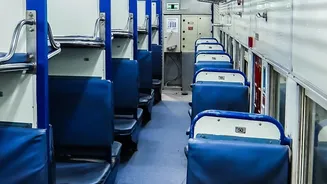
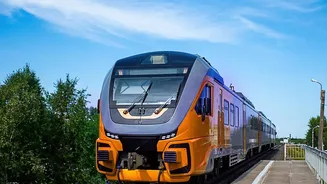
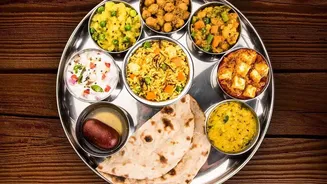
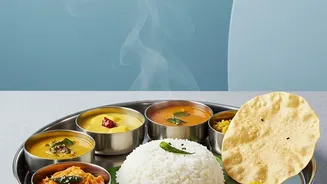
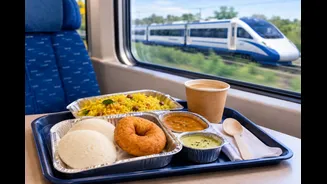
Railway Catering and Tourism Corporation (IRCTC) has launched a pilot project, effective November 1, 2026, to offer a more compact, airline-style menu on three Vande Bharat sleeper routes: New Delhi-Varanasi, Mumbai-Bengaluru, and Howrah-Kamakhya (Guwahati). This isn't just a minor tweak; it's a significant reduction in the number of items served for breakfast, lunch, and dinner. Meals that previously consisted of eight to ten items will now feature roughly four. For instance, breakfast options that once included omelettes, sandwiches, and chocolates have been streamlined to a choice between items like idli-vada, poha, or upma. Similarly, lunch and dinner will now consist of core staples like chapati, rice, dal, and a single main dish (with a vegetarian or chicken option), while accompaniments such as curd, salad, pickles, a separate dry vegetable, and sweets have been removed from the tray.
The 'Quality Over Quantity' Rationale
The primary driver behind this change is a push to address persistent passenger complaints about food quality, hygiene, and freshness. Railway officials believe that a sprawling menu makes it difficult to maintain consistency and monitor every dish effectively. By reducing the number of items, the IRCTC aims to exercise tighter quality control, ensuring that the food served is fresh and hygienic. An official likened the new approach to airline catering, where a compact menu allows for better overall management. The change also includes a significant operational shift, with meals for this pilot project being prepared by major cloud kitchens and hospitality groups like TajSATS and the Sarovar Portico Group, rather than traditional railway vendors.
A Lighter Meal and Faster Service
A direct consequence of the trimmed menu is a reduction in the overall weight of the meal served to each passenger. The meal weight has decreased from approximately 700-750 grams to a lighter 450-500 grams. However, IRCTC officials have clarified that the portion size of the remaining individual items has not been changed; the weight reduction is solely due to the removal of extra dishes from the tray. This 'less is more' approach is expected to have a noticeable impact on service speed. With fewer items to load, arrange on trays, and distribute, the onboard catering staff can serve passengers more quickly and efficiently. This aligns with the Vande Bharat's core promise of a faster, more modern travel experience, where every aspect of the journey, including mealtime, is optimized for efficiency.
A Pilot Project with a Bigger Goal
For now, this is a 'proof of concept' being tested exclusively on the three specified Vande Bharat sleeper routes. The IRCTC is closely monitoring passenger feedback to gauge the success of this initiative. Early reports from IRCTC's Western Zone have indicated a 10% drop in catering-related complaints since the new arrangements began, suggesting the changes might be having the desired effect. If the response remains positive, this streamlined catering model could be rolled out to a wider network of Vande Bharat trains and potentially other premium long-distance services across the country. This move represents a strategic pivot for Indian Railways, signaling a shift in focus from offering an extensive spread to ensuring high-quality, consistent, and efficiently served meals as a key component of the premium passenger experience.