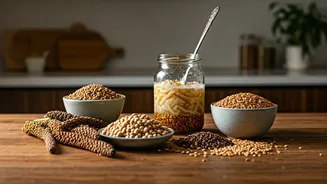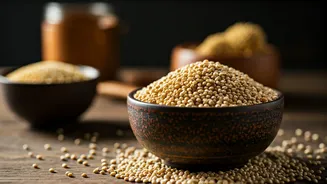




More Than Just a Humble Millet
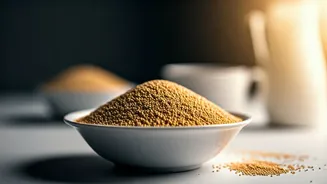
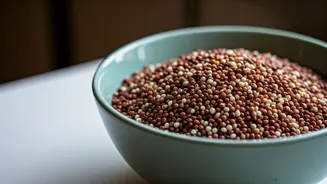
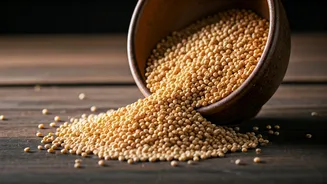
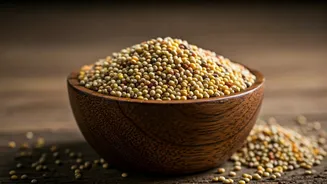
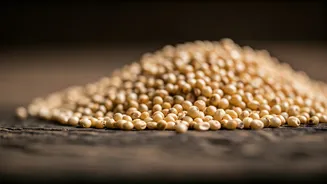
For generations, jowar has been a cornerstone of the Indian diet, most commonly in the form of bhakri or roti. While it was once seen as a rural staple, a new generation of health-conscious consumers and innovative chefs are rediscovering sorghum for what
it truly is: a nutritional powerhouse perfectly aligned with modern needs. The shift towards wellness and a desire to reconnect with indigenous ingredients have set the stage for jowar's triumphant return, especially at the breakfast table, where its benefits can set the tone for the entire day.
The Nutritional Powerhouse
So what makes sorghum so special for breakfast? For starters, it’s a nutritional titan. Jowar is naturally gluten-free, making it an excellent choice for those with celiac disease or gluten sensitivity. It is packed with dietary fibre, which aids digestion, promotes a feeling of fullness, and helps manage weight by preventing overeating. Its high fibre content, along with a low glycemic index, ensures a slow and steady release of energy. This prevents the dreaded mid-morning sugar crash often associated with processed breakfast cereals, providing sustained energy to power through the day. Furthermore, sorghum is rich in protein, essential minerals like iron, magnesium, and phosphorus, and antioxidants that help reduce inflammation.
Beyond Bhakri: A Canvas for Creativity
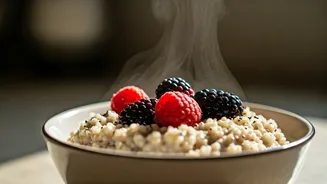
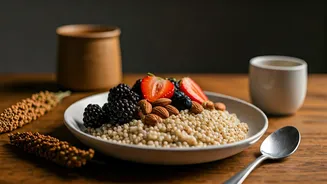
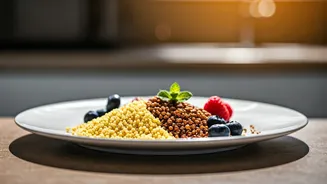
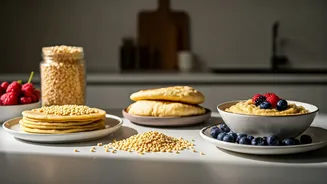
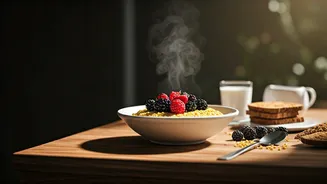
The true genius of sorghum lies in its incredible versatility, which extends far beyond traditional flatbreads. Its mild, slightly sweet flavour makes it an ideal canvas for a wide range of breakfast dishes. Imagine starting your day with fluffy jowar pancakes, a hearty jowar upma packed with vegetables, or crispy jowar dosas. The flour can be used to create everything from savoury muffins and waffles to nutritious porridge. Some adventurous cooks are even using popped sorghum to create a healthy granola alternative. With a little creativity, jowar can be swapped into many recipes that traditionally use refined flour, instantly boosting their nutritional value without sacrificing taste.
The Modern Culinary Shift
The resurgence of sorghum is part of a larger, positive trend in Indian food culture. Chefs and home cooks alike are increasingly championing millets and other ancient grains, recognizing their environmental and health benefits. These grains are often more drought-resistant and require fewer resources to grow than wheat and rice, making them a more sustainable choice. Celebrity chefs like Sanjeev Kapoor and Vikas Chawla have been instrumental in reintroducing millets to modern dining, creating innovative dishes that highlight their unique textures and flavours. This movement has encouraged a new generation to look back at the wisdom of their ancestors and adapt it for a contemporary palate.
Getting Started in Your Kitchen
Incorporating sorghum into your breakfast routine is easier than you might think. Start simple by swapping a portion of your regular flour with jowar flour in pancake or dosa batters. Jowar flour can be combined with other flours like rice flour or cornmeal to create different textures. You can prepare a savoury porridge by cooking whole grain jowar with vegetables and spices, similar to a traditional upma. Experiment with making jowar idlis or savoury cheelas for a light yet filling meal. The key is to start small and explore the many ways this versatile grain can elevate your morning meal from a simple routine to a nourishing ritual.