



What Is El Niño and Why the Concern?
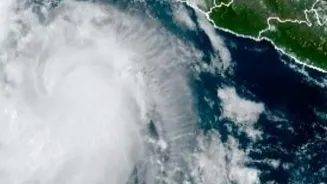
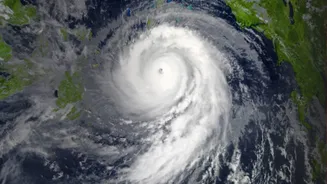
El Niño is a naturally occurring climate phenomenon marked by the warming of sea surface temperatures in the central and eastern tropical Pacific Ocean. This event, which occurs every two to seven years, disrupts atmospheric circulation, influencing temperature and rainfall
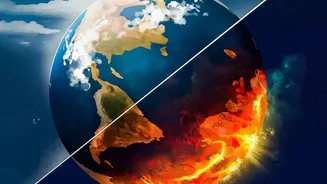
patterns across the globe, including India. The World Health Organization (WHO) has identified India as a country facing 'high or very high' public health risks due to the current El Niño cycle. This is not because El Niño creates new diseases, but because it acts as a powerful 'risk multiplier', amplifying existing health vulnerabilities. The combination of warmer baseline temperatures and El Niño's effects can lead to more intense and frequent extreme weather events, from severe heatwaves to erratic rainfall.
The Direct Threat of Extreme Heat
One of the most immediate concerns for India is the risk of extreme heat. El Niño years are historically associated with higher-than-normal temperatures. Prolonged heatwaves can lead to a surge in heat-related illnesses such as dehydration, heat exhaustion, and life-threatening heatstroke, particularly among outdoor workers, the elderly, children, and those with pre-existing health conditions. Experts warn that sustained thermal stress can also worsen cardiovascular, respiratory, and kidney diseases. In response, the Indian government has been advising states to review their preparedness for heat-related emergencies and strengthen surveillance through its dedicated portal for heat-related illnesses.
An Ideal Storm for Vector-Borne Diseases
Changing weather patterns create ideal conditions for the proliferation of vector-borne diseases. Warmer temperatures and irregular rainfall can accelerate mosquito breeding cycles and the rate at which viruses like dengue and malaria replicate within them. Health officials are particularly concerned about a potential surge in dengue, malaria, and chikungunya. In anticipation, the Union Health Ministry has instructed hospitals to ensure prompt reporting of all suspected cases to better track infection clusters. Community-level actions, such as eliminating stagnant water sources where mosquitoes breed, are being emphasized as a crucial first line of defense.
Water Scarcity and Contamination Risks
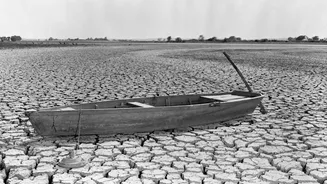
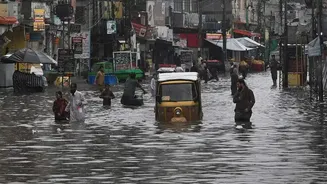
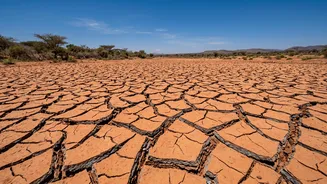
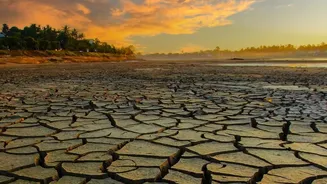
El Niño's impact on rainfall is a double-edged sword. While some areas may experience short, intense bursts of rain leading to floods, many parts of South Asia are expected to face drier-than-normal conditions. This can lead to drought, water scarcity, and significant challenges for agriculture, potentially affecting food security and nutrition. Furthermore, both drought and flooding compromise water safety. Drought can concentrate contaminants in dwindling water sources, while floods can overwhelm sanitation systems and spread waterborne diseases like leptospirosis and cholera. This makes access to safe drinking water a critical public health priority during the El Niño event.
How Authorities Are Preparing
Recognizing the scale of the threat, the WHO has activated its highest level of internal emergency response for El Niño. In India, both national and state health authorities are implementing preparedness plans. The Ministry of Health and Family Welfare has issued advisories for states to review district-level preparedness, ensure health facilities are stocked with essential medicines and IV fluids, and keep rapid response teams on standby. The focus is on a proactive approach: using meteorological forecasts to anticipate health impacts and acting early to protect vulnerable populations. This includes strengthening disease surveillance, running public awareness campaigns, and ensuring inter-departmental coordination with disaster management authorities.