


A New Record in Urban Mobility
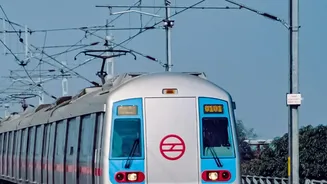
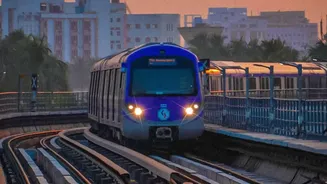
On November 2, a remarkable milestone was achieved in the heart of the National Capital Region. The Delhi Metro's driverless network, comprising the Magenta and Pink Lines, catered to an unprecedented 1.6 million passengers in a single day. This figure
is not just a number; it represents a significant moment for India's public infrastructure. It accounted for one in every five passengers across the entire Delhi Metro system on that day, which saw a total ridership of around eight million. To put it in perspective, the number of people who used a driverless train on that day is more than the entire population of Arunachal Pradesh, according to the 2011 census. This record was set just before the peak Diwali travel period, serving as a crucial stress test for the system's automated capabilities during one of the busiest times of the year.
The Technology Behind the Numbers
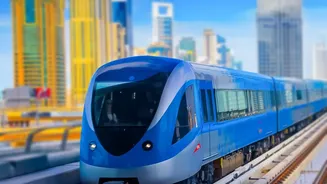
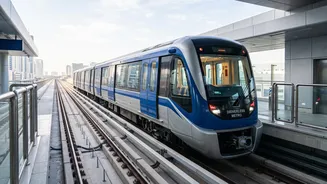
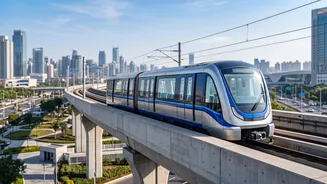
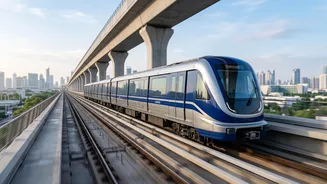
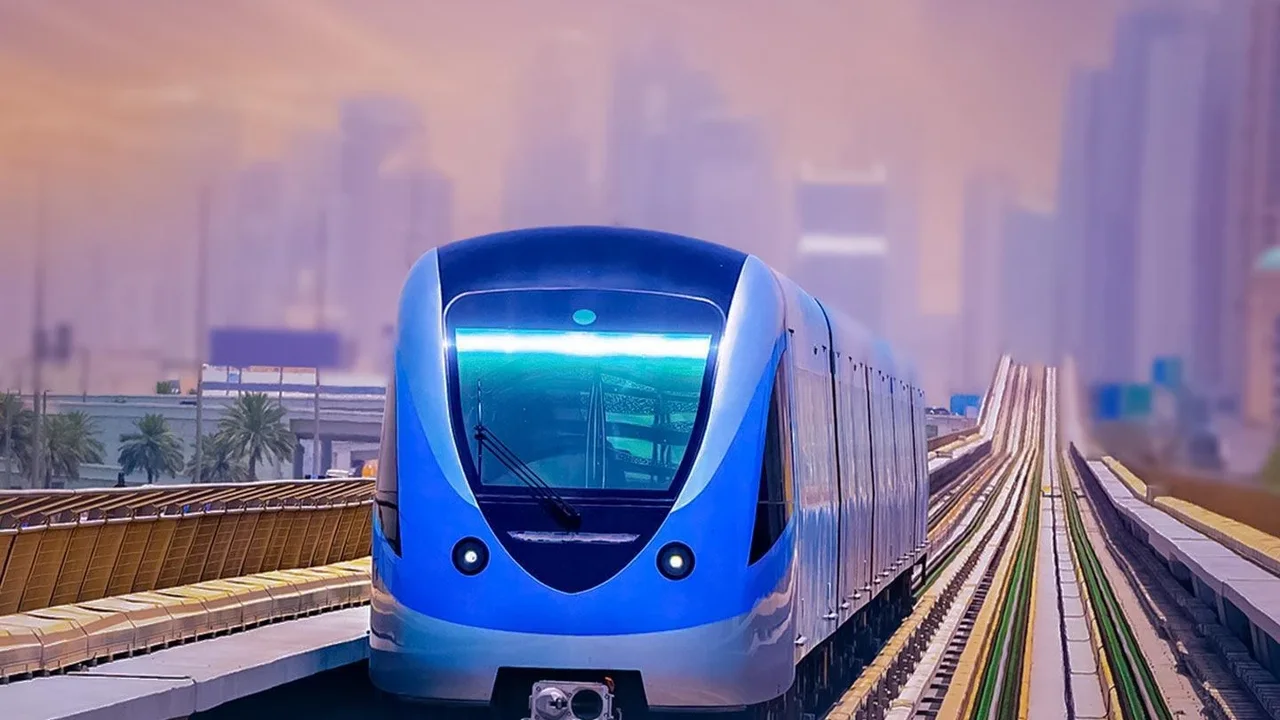
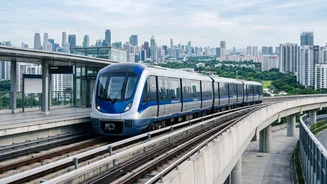
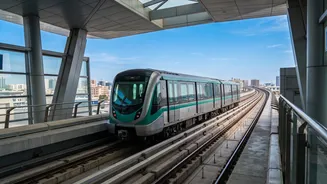
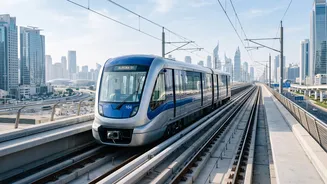
The achievement is a direct result of the Unattended Train Operation (UTO) technology, which the Delhi Metro first introduced on the Magenta Line in December 2020. Today, the driverless network spans nearly 120 kilometres across the Pink and Magenta lines, making it the fourth-largest of its kind in the world. This technology brings several advantages. According to Vikas Kumar, the Managing Director of the Delhi Metro Rail Corporation (DMRC), driverless operations allow for greater flexibility, reduce the chances of human error, and increase the availability of coaches for service. The automated system conducts exhaustive self-tests before each run, which has significantly improved the reliability and punctuality of services. This efficiency is crucial for a system that runs over 4,300 trips daily and is considered the lifeline for millions in the NCR.
Why This Record Matters
This pre-Diwali ridership surge is more than just a festive rush. It signals a growing public trust and reliance on the metro's advanced infrastructure. As Delhi continues to grapple with traffic congestion and air pollution, an efficient and reliable metro system becomes increasingly vital. The record numbers on the driverless lines, which now handle about 29% of the network's length, demonstrate their capacity to absorb immense passenger loads. This success makes a strong case for the expansion of UTO technology. The DMRC plans to extend its driverless network to nearly 198 km after the completion of ongoing projects, which would further solidify its role in the city's transport ecosystem.
The Human Element and Future Debates
The rise of automation naturally brings questions about its impact on employment. However, the DMRC has clarified that no train operators have been laid off since the introduction of driverless services. Instead, the roughly 3,000 operators have been redeployed to other critical roles like station management and crowd control, skills that are essential as ridership grows. Despite the operational success, some experts advise a cautious approach before a nationwide rollout. They point to high upfront capital costs and argue that India, with its different staffing cost structures compared to other countries, should perform its own cost-benefit analysis rather than simply following global trends. While automation guarantees precision and eliminates human error, the debate continues on whether it is the most suitable model for all of the 26 Indian cities that now have metro services.