



The Anatomy of Stubble Smoke
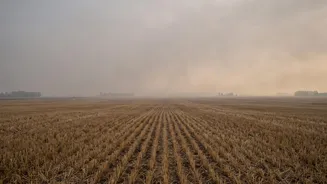
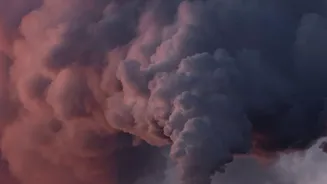
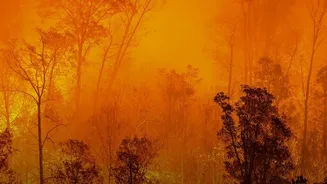
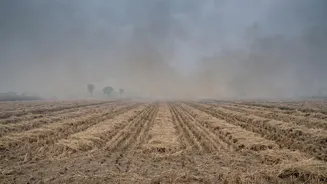
When farmers burn leftover crop residue, the smoke released is far more than just visible soot. It's a complex cocktail of harmful pollutants. The primary components are particulate matter (PM2.5 and PM10), which are tiny, inhalable particles that can
lodge deep in the lungs and even enter the bloodstream. Beyond particles, the smoke is laden with gases like carbon monoxide (CO), nitrogen oxides (NOx), sulfur dioxide (SO2), and methane (CH4). It also contains volatile organic compounds (VOCs) and black carbon. Burning just one tonne of crop residue can release hundreds of kilograms of carbon dioxide along with dozens of kilograms of other harmful gases and particles into the atmosphere. This initial chemical mix is the raw ingredient for the severe air pollution that follows.
The Post-Monsoon Atmospheric Trap
The smoke doesn't simply disperse and disappear. Its journey is dictated by the specific weather conditions of the post-monsoon season in North India. As October and November arrive, the air near the ground cools down rapidly at night, while a layer of warmer air sits above it. This phenomenon is known as temperature inversion. Normally, warmer surface air rises, carrying pollutants upwards and away. But during an inversion, the cool, dense air is trapped underneath the warm air layer like a lid. This atmospheric trap prevents the smoke and other pollutants from dispersing vertically. Compounding this, wind speeds are typically low during this period, meaning the polluted air mass doesn't move away horizontally either. It just sits and stagnates over the vast Indo-Gangetic Plain.
From Smoke to Toxic Smog
Trapped in this stagnant, humid air, the raw pollutants begin a dangerous transformation. The nitrogen oxides and volatile organic compounds in the smoke react with sunlight to form ground-level ozone, a key component of smog that is highly damaging to the respiratory system. The fine particulate matter (PM2.5) acts as a nucleus, allowing moisture and other chemicals to condense onto it, which contributes to the dense fog and haze that blankets the region. This toxic brew of primary pollutants from the fires and secondary pollutants formed in the atmosphere is what we call smog. Smoke from agricultural burning in states like Punjab and Haryana can be transported over long distances, contributing significantly to the hazardous air quality in cities like Delhi, sometimes accounting for a large percentage of the particulate matter on the worst days.
The Journey Across the Plains
The Indo-Gangetic Plain is a unique geographical basin, hemmed in by the Himalayas to the north and the Vindhya Range to the south. This topography acts like a channel, guiding the polluted air mass across the region. The smoke plumes originating from the northwestern states travel eastward, affecting the air quality of millions of people across Uttar Pradesh, Bihar, and even West Bengal. NASA satellite imagery regularly captures these vast rivers of smoke moving across the plain. While stubble burning is a major seasonal source, this smoke mixes with year-round urban pollution from vehicles, industry, and construction, creating a regional air quality crisis that is far greater than the sum of its parts.
The Devastating Health and Environmental Toll
The end result of this atmospheric journey is a severe public health emergency. Exposure to high levels of PM2.5 and other pollutants from the smoke is directly linked to increased hospital visits for acute respiratory infections, especially among children and the elderly. It exacerbates conditions like asthma and heart disease and is associated with tens of thousands of premature deaths annually in India. The pollution doesn't just harm humans; it also damages soil health by destroying essential nutrients and microbes, and the black carbon that settles on Himalayan glaciers can accelerate their melting. The haze also affects agriculture itself by reducing the amount of sunlight reaching crops, which can impact photosynthesis and growth.