

The Simple Science of Salt
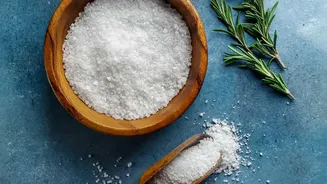
The core of this kitchen wisdom lies in a scientific process called osmosis. In simple terms, salt is a magnet for water. When you sprinkle salt on food, it immediately starts to draw moisture from the inside of the ingredients to the surface. This happens
because water naturally moves from an area of low salt concentration (inside the food) to an area of high salt concentration (where you just salted). This effect is most noticeable in ingredients with high water content, like many vegetables. The result? The surface of the food becomes wet, and the ingredient itself can start to soften and lose its structural integrity.
The Problem with Soggy Surfaces
When you're aiming for a beautiful, brown, and crispy finish—think perfectly seared paneer, crispy fried potatoes, or caramelised onions—surface moisture is your enemy. Before any browning (the delicious Maillard reaction) can happen, all that surface water must evaporate. If you salt watery vegetables like mushrooms, brinjal (eggplant), or zucchini too early in a hot pan, you create a self-sabotaging cycle. The salt pulls water out, and instead of frying or searing, your ingredients end up steaming or boiling in their own juices. This leads to a grey, boiled texture rather than a rich, golden-brown one.
Perfecting Your Sabzi and Stir-fries
This principle is crucial in everyday Indian cooking. For a dry sabzi where you want the vegetables to hold their shape and have a slight bite, it's often best to add salt towards the end of the cooking process. A classic example is Bhindi (Okra). Salting it at the beginning will make it release moisture and turn slimy. For a crisp bhindi fry, you should salt it only after it has browned and crisped up. The same applies to leafy greens like palak (spinach); salting too early will cause them to collapse into a watery heap before they can properly wilt. For dishes like stir-fries or a simple cabbage sabzi, adding salt in the final minutes preserves their pleasing crunch and vibrant colour.
When Salting Early Is a Good Thing
While early salting can be a foe to crispiness, it can also be a powerful friend. The technique of intentionally drawing out water is a valuable tool. For instance, before making bhajiyas or koftas with vegetables like lauki (bottle gourd) or cabbage, salting the grated vegetable and letting it sit for 30 minutes is a brilliant move. This pulls out excess water, which you can then squeeze out, preventing your batter from becoming too thin and your final product from being soggy. Similarly, when making dishes like Baingan Bharta, salting the eggplant slices before cooking helps remove some bitterness and excess moisture. The key is to understand your goal: if you want to remove water, salt early. If you want to retain crispness, salt late.
Salting Meat, Dal, and Sauces
Meats behave differently. For larger, tougher cuts of chicken or mutton, salting well in advance (a process known as dry-brining) is highly beneficial. The salt initially draws out moisture, but over time, that salty liquid is reabsorbed, seasoning the meat deeply and helping it stay juicy during cooking. For delicate seafood like fish or prawns, however, it's best to salt just before cooking, as their texture can become mushy if salted too far in advance. When it comes to dals, grains, and sauces that simmer for a long time, it's wise to be cautious. As the liquid reduces, the salt concentration increases. A perfectly seasoned dal at the start can become unbearably salty by the end. It’s better to add salt gradually and taste as you go, making the final adjustment near the end.