





The Great Urban Burnout
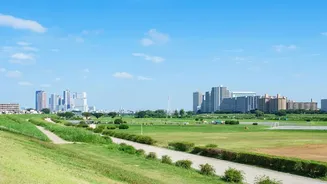
For decades, the path to success in India seemed to lead directly to a handful of bustling metropolitan hubs. Cities like Mumbai, Delhi, and Bengaluru were magnets for ambition. Yet, for many young Indians today, the sheen has worn off. The promise of a great
career is now weighed against the reality of soaring housing costs, crippling traffic, and a pervasive sense of burnout. The very chaos that once felt like energy now feels like a drain on mental and physical well-being. This has led many to question the trade-offs of city life, wondering if there is an alternative to the endless cycle of high stress and high expenses.
A Search for Slower, Deeper Living
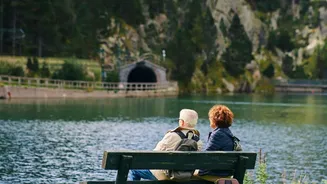
The move to smaller towns is more than just an escape; it's a deliberate search for a different quality of life. This trend, often called 'slow travel', prioritises depth over distance. Instead of a rushed, checklist-driven tour, it involves staying in one place and immersing oneself in the local rhythm. This means swapping high-rise apartments for homestays, generic restaurant chains for home-cooked regional meals, and crowded malls for local artisan markets. It's a conscious decision to connect with a place, its people, and its culture on a more meaningful level, trading the anonymity of the city for a sense of community.
From Tourist to Temporary Local
What makes this trend distinct is the desire to participate, not just observe. Young people are choosing towns known for their vibrant cultural fabric, where they can become temporary residents rather than fleeting tourists. Think of someone learning the basics of Theyyam rituals in the villages of Kerala, participating in festival preparations in a Himalayan hamlet, or taking a workshop in a traditional craft in Rajasthan. These immersive experiences offer a hands-on connection to India’s diverse heritage that is often inaccessible in a fast-paced urban environment. The goal is no longer just to 'see' India, but to live it, even for a short while.
The Remote Work Revolution
This cultural pilgrimage is made possible by a fundamental shift in the modern workplace. The rise and normalisation of remote work has untethered professionals from their physical offices. With a laptop and a stable internet connection, a job based in a metro can now be done from a quiet home in Kochi, a scenic cafe in Himachal, or a co-working space in Jaipur. This flexibility allows individuals to chase a better quality of life without sacrificing their careers. As companies expand beyond traditional hubs and digital infrastructure improves in smaller towns, this lifestyle is becoming increasingly viable for a larger segment of the workforce.
A New Chapter for Small-Town India
This reverse migration, even if temporary for many, brings both opportunities and challenges to these smaller communities. The influx of young professionals can provide a welcome economic boost to local businesses like homestays, cafes, and artisanal shops. However, it also raises important questions about sustainability. As these towns gain popularity, they face the risk of losing the very authenticity that made them attractive in the first place. Striking a balance between welcoming new residents and preserving the local culture and environment is the critical challenge that will define the future of these emerging lifestyle hubs.