







The Power of Going Off-Grid
In many parts of rural Maharashtra, access to the electricity grid is either unavailable or erratic, leaving farmers at the mercy of expensive diesel generators to power their water pumps. The solution gaining traction is the off-grid solar micro-pump.
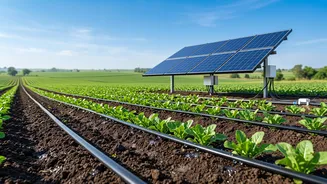
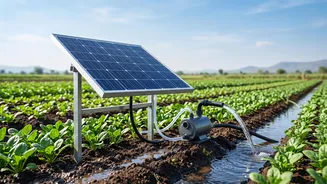
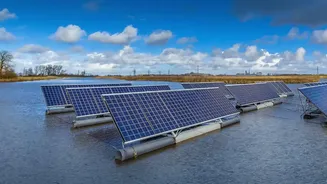
These systems use solar panels to generate electricity, powering a small pump to draw water from wells, rivers, or ponds directly to the fields. This approach provides energy independence, freeing farmers from the grid's unpredictability and the volatile costs of diesel fuel. Government initiatives like the Pradhan Mantri Kisan Urja Suraksha evam Utthaan Mahabhiyan (PM-KUSUM) and the state's own Mukhyamantri Saur Krushi Pump Yojana have been instrumental in this push, providing subsidies to make these pumps more affordable for small and marginal farmers. In late 2025, Maharashtra set a record by installing nearly 46,000 such pumps in a single month, demonstrating a massive scaling up of this technology.
From Scarcity to Security
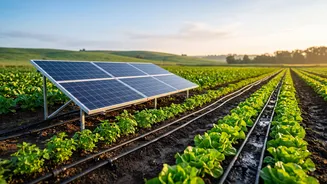
The most significant impact of these solar pumps is the newfound water security. Farmers who once relied solely on rainwater for a single Kharif crop can now access water year-round. This has enabled the cultivation of second and even third crops, including vegetables and fruits, drastically changing the agricultural landscape. In Tulyachapada, a village in Palghar district, the installation of just 10 shared solar pumps has helped increase the total cultivated land from a mere five acres to nearly 96 acres. Farmers there have successfully moved beyond subsistence paddy farming to growing lucrative cash crops like groundnuts, onions, and cucumbers. This reliable, daytime water supply allows for the adoption of modern micro-irrigation techniques like drip and sprinkler systems, which conserve water while ensuring crops get the moisture they need, a crucial advantage in drought-prone regions.
A Boost for Farmer Incomes
With the ability to grow more and diversify their crops, farmers are seeing a direct and substantial increase in their income. Studies have shown that solar-powered irrigation can increase farm income by 20-30% by reducing energy costs and improving water availability. In Tulyachapada, collective income from farming rose from Rs 18.3 lakh in 2021 to Rs 31 lakh in 2024. This economic uplift has a profound social impact. For instance, the assurance of year-round work and income has dramatically reduced distress migration from villages to cities. Reports from Palghar district indicate that migration has fallen by as much as 90% in communities that have adopted solar pump systems, allowing families to stay together and invest in their local communities.
Cultivating a Sustainable Future
The benefits extend beyond economics. By replacing diesel pumps, these solar-powered systems significantly reduce carbon emissions and air pollution, contributing to India's clean energy goals. The shift also encourages more sustainable agricultural practices. Because solar pumps make water more accessible, they work best when paired with water-efficient methods like drip irrigation, which prevents the over-extraction of groundwater. This combination not only saves water but also improves soil health over the long term. Furthermore, by enabling farmers to grow a wider variety of crops, the model promotes biodiversity and builds resilience against climate change and pests that might target a single crop.
Challenges on the Path Forward
Despite the clear benefits, the transition is not without hurdles. The high initial cost of solar pump systems remains a significant barrier for many small farmers, even with subsidies. There are also concerns about maintenance, the availability of technical support, and the risk of accelerated groundwater depletion if the 'free' energy leads to unchecked water extraction. Experts stress that the rollout of solar pumps must be accompanied by comprehensive training on water management and conservation to ensure long-term sustainability. Ensuring that subsidies and schemes reach the intended small and marginal farmers, rather than wealthier ones, is another critical challenge that requires robust implementation and monitoring.