





The Unbeatable Economics
For the value-conscious Indian traveller, Vietnam's sleeper buses are a game-changer. An overnight journey can cost as little as $12-$25 (around ₹1000-₹2100), a fraction of the price of a domestic flight. This incredible affordability allows travellers
to stretch their budget further, allocating more funds to experiences like a Halong Bay cruise or exploring ancient towns. But the savings don't stop at the ticket price. By travelling through the night, you also save on the cost of a hotel room, effectively getting your transport and accommodation for the price of one. This dual saving makes a significant difference, turning a good-value destination into an exceptionally budget-friendly one.
More Time for Adventure
One of the most precious commodities on any vacation is time. Night buses are a masterclass in efficiency, covering long distances while you sleep. Instead of losing a full day to travel between cities like Hanoi and Hue (a 12-14 hour trip), you can board a bus in the evening and wake up in a new destination, ready to explore from the early morning. This means more daylight hours for sightseeing, whether it's trekking in Sapa, relaxing on the beaches of Da Nang, or navigating the vibrant streets of Ho Chi Minh City. For Indian tourists on a tight itinerary, this is a massive advantage, allowing them to build a packed, multi-city tour without feeling rushed.
A Surprisingly Comfortable Journey
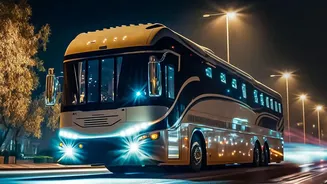
The term 'bus' might conjure images of cramped, upright seats, but Vietnam's sleeper buses are different. These vehicles are fitted with reclining beds or bunks, usually in two levels, allowing passengers to lie down. Most operators provide a blanket, pillow, and a bottle of water. While standard buses are basic, many travellers opt for 'VIP' or 'cabin' buses for a few extra dollars. These offer wider beds, privacy curtains, USB charging ports, and sometimes even personal entertainment screens, creating a cozy, private space for the night. While not a five-star hotel, it's a comfortable and practical way to rest on the move.
Connecting Vietnam's Iconic Routes
The bus network is extensive, connecting nearly every major tourist destination in the country. Some of the most popular overnight routes for travellers include Hanoi to Sapa, the gateway to northern Vietnam's stunning rice terraces (a 5-6 hour journey). The long-haul from Hanoi to Hue or Da Nang is another classic, linking the capital with the central coast. In the south, buses frequently run from Ho Chi Minh City to the cool highlands of Da Lat (6-7 hours) or the coastal town of Mui Ne (4-5 hours). This comprehensive network makes it easy to create a seamless north-to-south itinerary entirely on a budget.
Tips for Your First Night Bus Trip
To ensure a smooth journey, a little preparation goes a long way. Always book your tickets in advance, especially for popular routes. When booking, try to select a lower bunk in the middle of the bus, as it tends to offer a smoother ride, which is helpful if you're prone to motion sickness. Pack essentials like earplugs, an eye mask, and a sweatshirt, as the air conditioning can be quite strong. It's also wise to keep your valuables like your passport, phone, and wallet in a small bag that you can keep with you in your bunk rather than in your main luggage stored below. Finally, remember that you'll be asked to take your shoes off before boarding to keep the bus clean, so wearing socks is a good idea.