








The Allure of the 'Health Halo'
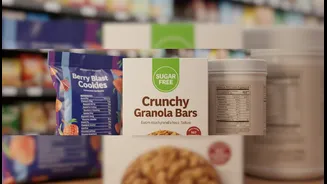
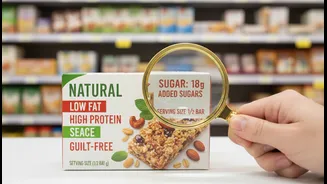
Food marketers are experts in psychology. They use specific words and designs to create a “health halo” around a product. When you see claims like “low-fat,” “organic,” or “all-natural,” your brain might automatically perceive the entire product as healthy.
This cognitive bias can be so strong that it makes you overlook other, less desirable attributes, like high sugar and sodium content. Research shows that this halo effect not only influences what you buy but also how much you eat, as you might feel justified in consuming more of a supposedly “guilt-free” item.
The Serving Size Charade
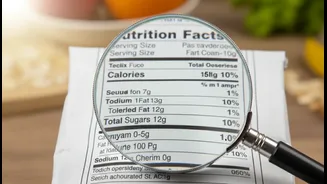
One of the most effective tricks is the manipulation of serving sizes. A snack might boast a low calorie count on the front of the pack, but a closer look at the nutrition label reveals the serving size is unrealistically small. For instance, a bag of chips might be listed as 150 calories, but the serving size is only 11 chips, a fraction of what someone might actually eat. Companies know that most people don’t stop at the designated portion, so while the label is technically accurate, it’s intentionally misleading. Before you know it, your “150-calorie” snack has become a 450-calorie indulgence.
Decoding Misleading Buzzwords
The language on packaging is carefully chosen. Terms like “light” or “lite,” “reduced-fat,” and “made with real fruit” sound appealing but often hide an inconvenient truth. When fat is removed from a product, it’s frequently replaced with sugar, salt, or artificial fillers to compensate for the loss of flavor and texture. A “fat-free” product can legally contain up to 0.5 grams of fat per serving. Similarly, snacks “made with real fruit” may only contain a minuscule amount of fruit concentrate, buried in a list of sugars and additives. These claims give the impression of health without delivering on the promise.
The Artificial Sweetener Paradox
To create low-calorie versions of sweet snacks, manufacturers often turn to artificial, non-sugar sweeteners like sucralose and aspartame. While these substitutes reduce the calorie count, research suggests they might confuse the brain. When you taste something sweet, your brain expects energy (calories) to follow. When those calories don’t arrive, the brain’s reward system can get out of balance. Some studies indicate that this mismatch can actually increase feelings of hunger and cravings for truly sugary foods, potentially leading to greater overall calorie consumption later on.
Why Calorie Quality Matters More
Ultimately, the focus on a single number—calories—is itself a diversion. A 100-calorie snack pack of processed crackers is not nutritionally equivalent to 100 calories of almonds or an apple. Whole foods provide fiber, protein, vitamins, and minerals that keep you feeling full and nourished. Many highly processed diet snacks, on the other hand, offer “empty calories” with little nutritional value. They might be low in calories but are also low in protein and fiber, meaning they won't keep you satisfied, leading you to reach for another snack shortly after.