






The Khar Ritual
A traditional Assamese meal begins not with a starter, but with Khar. It's both an ingredient and a class of dishes, unique in Indian cuisine for its alkaline properties. Traditionally, the key ingredient is a liquid filtered through the ashes of sun-dried
banana peels, which gives dishes a distinct, earthy, and astringent taste. A common preparation involves raw papaya cooked in this liquid, creating a dish believed to cleanse the palate and aid digestion. While the traditional method is still practised, a pinch of baking soda is often used as a modern substitute. To eat Khar is to partake in a ritual that defines Assamese identity.
The Tangy Tenga Finish
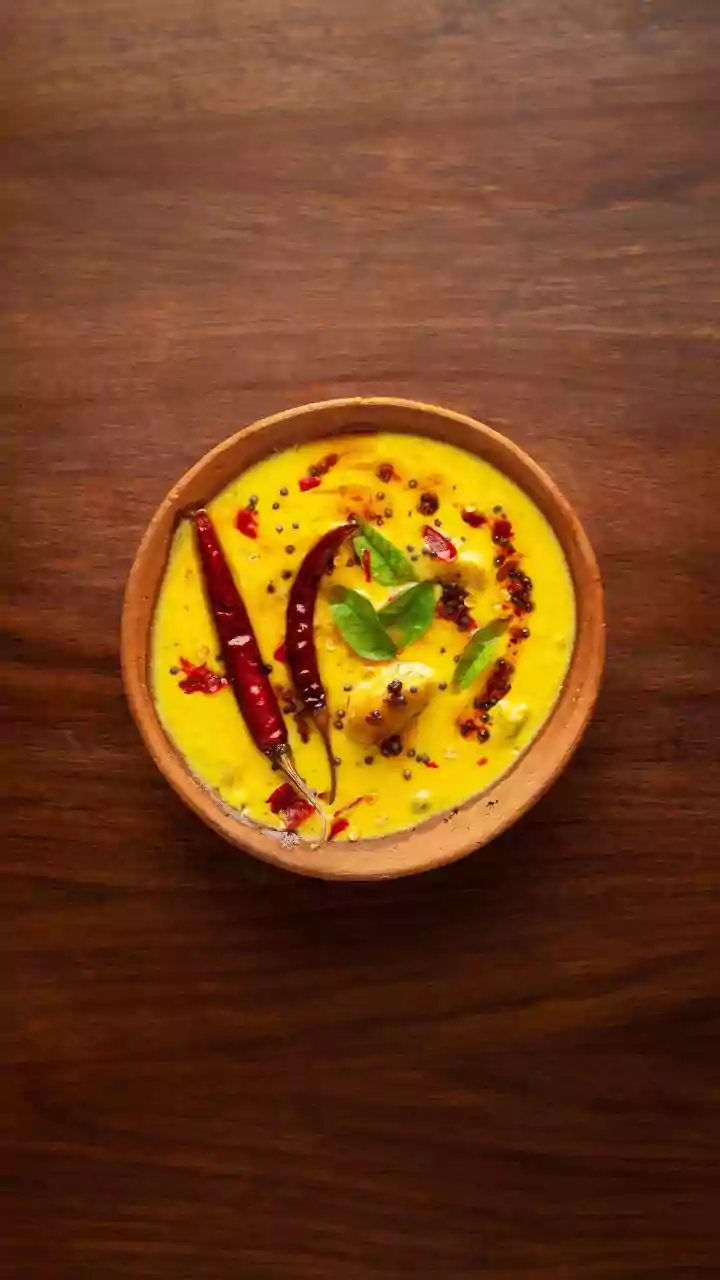
If Khar is the opening note, Tenga is the closing crescendo. Meaning 'sour', Tenga is a light, tangy curry that concludes a meal, acting as a digestive. The most beloved version is Masor Tenga, a fish curry whose sourness is derived from natural ingredients like elephant apple (Ou Tenga), tomatoes, or the region's famed lemons. The broth is light and refreshing, especially popular during warmer months. It’s a perfect counterbalance to a hearty meal, embodying the cuisine's philosophy of balance and freshness.
Pitika: The Soulful Mash
Pitika is Assam's answer to comfort food. The word simply means 'mashed', and it's a staple in every household. The most common version, Aloo Pitika, is a deceptively simple dish of boiled or roasted potatoes mashed with raw onions, green chillies, fresh coriander, and a generous drizzle of pungent mustard oil. But the world of Pitika extends to roasted brinjal (Bengena Pitika), jackfruit seeds, and even fish. Served at room temperature, it's a soulful accompaniment to rice and dal that showcases how minimal ingredients can create maximum flavour.
Duck, A Festive Delicacy
While chicken and fish are daily staples, duck meat (Haanhor Mangxo) holds a special place in Assamese cuisine, often reserved for festivals like Bihu and special occasions. The meat, which is richer and tougher than chicken, is slow-cooked to tenderness. A classic preparation pairs duck with ash gourd (kumura), creating a rich, flavourful curry balanced by the vegetable's subtle sweetness. Other variations involve cooking duck with lentils, sesame, or even bamboo shoots, making it a celebrated dish that signifies festivity.
A World of Pithas
No celebration in Assam, especially Bihu, is complete without Pitha. These are rice-based cakes that can be sweet or savoury, fried, steamed, or roasted. Made from glutinous 'Bora Saul' rice flour, they come in numerous varieties. Til Pitha is a popular type, a thin rice wrapper filled with a mixture of jaggery and roasted black sesame seeds, then rolled like a crepe. Others, like Ghila Pitha (a fried pancake) and Tekeli Pitha (steamed in a kettle), showcase the versatility of rice in Assamese snacks and sweets.
The Complete Thali Experience
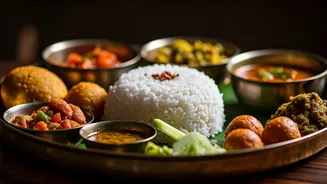
The best way to understand the interplay of these flavours is through a complete Assamese thali. Often served on traditional bell-metal plates, a thali is a symphony of dishes. It starts with Khar, followed by steamed rice (bhaat), a light dal, leafy greens (xaak), a Pitika, a vegetable stir-fry (bhaji), and the main event of fish or meat curry. The meal concludes with the tangy Tenga. It’s not just a platter of food; it's a structured culinary journey that reflects the region's deep connection to its agricultural rhythms and natural bounty.