

A Post-Pandemic Cultural Shift
The simplest reason for the surge is a massive cultural shift following the pandemic. After years of being cooped up, audiences are craving real-life, collective experiences. Industry insiders point to a 'You Only Live Once' mentality that has made people
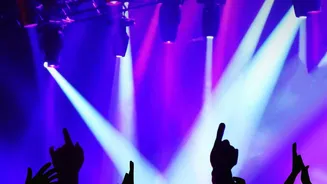
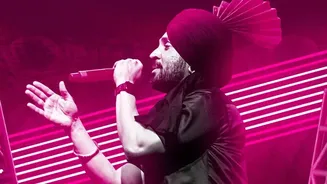
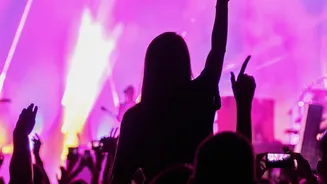
more willing than ever to buy tickets and show up. This isn't just a feeling; the numbers back it up. India's live entertainment industry has grown nearly fourfold since before the pandemic, ballooning from around ₹3,400 crore to over ₹13,000 crore. This explosive growth is driven by young, upwardly mobile fans who are choosing to spend their disposable income on creating memories, often travelling across cities for a show. As a result, concerts have evolved from occasional outings into major cultural and social events.
The Streaming-to-Stage Pipeline
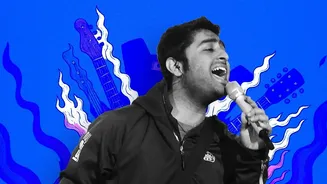
The way we discover music has fundamentally changed, and it's fuelling the live scene. With hundreds of millions of Indians using streaming services, fans can explore a world of music far beyond film soundtracks. This digital access creates familiarity and builds fan bases for artists who might never have received radio play in the past. Promoters now see a clear path from streaming numbers to ticket sales. An artist with a strong following on platforms like Spotify and YouTube is a much safer bet for a multi-city tour. A recent report from the Indian Music Industry (IMI) highlights this connection, arguing that live events are the next logical step to convert passive listeners into paying subscribers and dedicated fans. This symbiotic relationship means that as streaming grows, the pool of potential concert-goers does too.
India on the Global Tour Map
For decades, India was often an afterthought on global tour schedules. Today, it’s a priority destination. Major promoters like BookMyShow Live and Only Much Louder (OML) have successfully brought massive international festival brands like Lollapalooza to the country, proving that India can host world-class events at scale. Lollapalooza India, for instance, became profitable by its third edition—a rare achievement globally. This success sends a powerful signal to international artists and their management: India has the audience, the infrastructure, and the operational expertise. As a result, global tours for artists like Guns N' Roses, Linkin Park, and The Chainsmokers are now building in multi-city India legs from the start, often anchoring their entire South Asia strategy around Indian venues.
Beyond the Metros
While Mumbai, Delhi, and Bengaluru remain the epicentres of the concert boom, the action is no longer confined to them. Promoters and even state governments are recognising the massive, untapped potential in Tier-2 and Tier-3 cities. Assam, for example, has offered subsidies to attract events, positioning the Northeast as a future growth market for live music. Companies like TribeVibe Entertainment have built their entire business model around college festivals and non-metro markets, reporting huge growth and high ticket sales. This expansion is a win-win: artists get to reach a wider audience, and fans in smaller cities no longer have to travel long distances to see their favourite acts. It also points to a deeper decentralisation, where music tourism is becoming a significant economic driver nationwide.
What's Next for Fans?
For Indian music lovers, the future looks bright and sounds loud. The sheer variety of artists touring—from K-Pop and J-Pop stars at Lollapalooza to classic rock legends and EDM heavyweights—means there's something for everyone. This boom is also professionalising the entire ecosystem, from ticketing platforms to event management firms. However, the rapid growth is not without challenges. Infrastructure in many cities is still playing catch-up, and there are growing pains related to crowd management and logistics. Ticket prices are also on the rise, with premium experiences becoming a major revenue source for promoters. Despite these hurdles, the momentum is undeniable. The experience economy is here to stay, and for fans, that means more artists, bigger shows, and an even more vibrant live music culture to be a part of.