







The Rise of the 'Shoulder Season'
The period between a destination's peak and off-peak times is known as the 'shoulder season', and for many Indian travelers, September and October are hitting that sweet spot. Traditionally seen as a lull after the monsoons and before the busy Diwali
and Christmas peaks, this two-month window is now being embraced for its unique advantages. According to travel industry experts, this isn't replacing the traditional holiday rushes but is adding a new, flexible period for breaks. The shift is driven by a desire to avoid the crowds and high prices of peak season, combined with favorable post-monsoon weather in many parts of the world. The presence of several festivals and long weekends, such as those around Ganesh Chaturthi and Gandhi Jayanti, also provides the perfect excuse for a spontaneous getaway.
Europe's Autumnal Allure
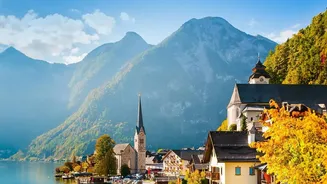
Europe, usually a prime summer destination, is revealing a different, more relaxed charm in the autumn. As the intense summer heat subsides, cities like Rome, Paris, and Barcelona become far more pleasant for sightseeing. The biggest draws are noticeably smaller crowds at major attractions and a significant drop in flight and hotel prices compared to the July-August peak. For instance, average flight costs from India to Europe can see a steep decline as autumn begins. This allows travelers to allocate more of their budget to experiences, from exploring Tuscan vineyards during the grape harvest to enjoying Munich's famous Oktoberfest, which begins in September. The golden foliage and crisp, cool air offer a picturesque backdrop that is simply unavailable in the summer, making it an ideal time for a more immersive cultural trip.
Asia's Post-Monsoon Promise
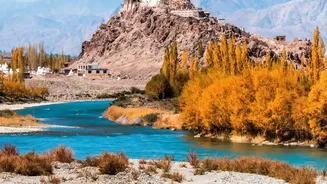
It's not just Europe that’s on the September-October map. Many destinations across Asia become particularly appealing as the monsoon season ends. In Southeast Asia, countries like Vietnam and Thailand transition into their dry seasons, offering lush green landscapes, sunny skies, and calmer seas without the peak season tourist density. Vietnam's northern regions become cooler, while Thailand's Gulf Coast beaches, like those on Koh Samui, enjoy better weather than the Andaman side. Further east, Japan and South Korea showcase their stunning autumn colors, providing a spectacular alternative to the popular spring cherry blossom season. Easier visa processes and increased flight connectivity to many of these Asian hubs are also fueling this trend, making short, experience-led trips more feasible.
Why the Shift Is Happening Now
Several factors are converging to make this travel window more popular. A key driver is a shift in traveler mindset. More Indians are prioritizing experiences over simply checking off destinations, and the quieter shoulder season allows for more authentic and relaxed journeys. The rise of flexible and remote work arrangements has also untethered many from the rigid school holiday calendar, allowing them to travel when it makes the most sense for their budget and preferences. Value is a major consideration; traveling during this period offers more competitive pricing on everything from flights to accommodation, enabling a more premium experience for the same budget. Reports from major travel companies like Thomas Cook and SOTC confirm this trend, noting that demand is spreading more evenly across the year as consumers realize the benefits of off-peak travel.