
The Secret Is in the Batter Consistency
The most common reason for a thick dosa is a thick batter. For a classic oats dosa, you're not aiming for the same consistency as a traditional urad dal-based batter. Instead, you should be targeting a thin, pourable consistency, almost like buttermilk
or milk. Many recipes achieve this by using a blend of ground oats, rice flour, and sometimes a bit of semolina (rava). The combination gives it structure and crispness. A good rule of thumb is to start with a slightly thicker mix and gradually add water until you reach a runny state. If you accidentally make the batter too thin and your dosas are breaking, you can easily fix it by adding a tablespoon or two of rice flour to thicken it back up.
Fine Grinding for a Smooth Finish
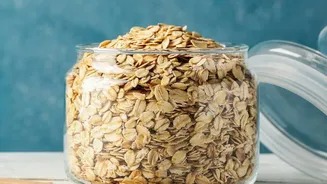
Whether you are using rolled oats or quick-cook oats, grinding them into a fine powder is a non-negotiable step for a smooth, even dosa. Any coarse bits of oats will absorb water unevenly and create lumps in your batter, making it impossible to spread thinly. Use a high-powered blender or mixie to grind the oats until they resemble a fine flour. Some cooks even recommend soaking rolled oats for about 10 minutes before grinding, as this can help achieve an even smoother batter that doesn't break easily. If you are making a dosa that involves soaking and grinding dals with oats, ensure that the final batter is smooth with only a very slight graininess when rubbed between your fingers.
The Importance of Pan Temperature
A perfectly heated pan, or tawa, is crucial. If the pan is not hot enough, the batter won't sizzle on contact and will spread into a thick, pancake-like shape. If it’s too hot, the batter will cook instantly upon being poured, seizing up and making it impossible to spread. The ideal temperature is medium-hot. A classic test is to sprinkle a few drops of water on the tawa; they should sizzle and evaporate almost immediately. Once the pan is at the right temperature, reduce the heat to low just before you pour the batter. This gives you a crucial few seconds to spread it evenly. Once spread, you can increase the heat back to medium-high to cook it until crisp. Rubbing the hot tawa with a cut onion before each dosa can also help prevent sticking and adds a wonderful flavour.
Mastering the Art of Spreading
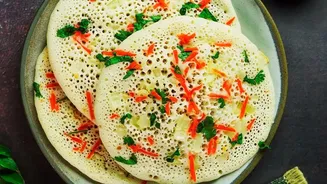
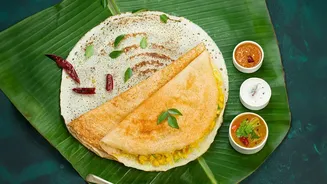
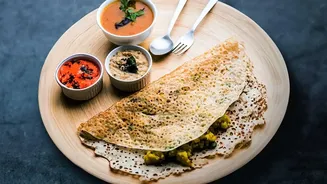
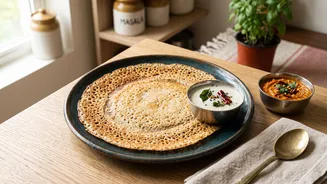
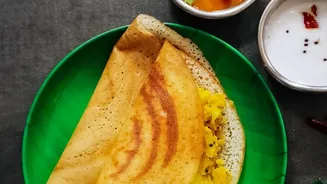
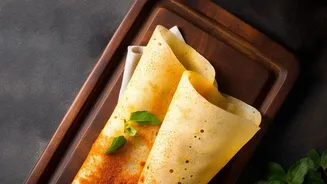
With a thin, runny batter like that used for an instant oats dosa, the technique is different from a traditional dosa. You don't spread it from the centre in a spiral motion with the back of a ladle. Instead, you pour the batter from a height, starting from the edges and working your way towards the centre, filling in any gaps. This creates the lacy, net-like texture similar to a rava dosa. For a slightly thicker, ground-style oats dosa batter, use the back of a ladle or a small steel bowl. Pour a ladleful in the centre and, working quickly, spread it outwards in a circular motion to form a thin layer. In both cases, the key is to work fast and with a light, confident hand.
Smart Add-Ins and Final Touches
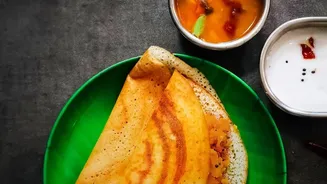
To enhance the flavour and texture, consider adding finely chopped onions, green chillies, cumin seeds, and fresh coriander to your batter. These ingredients not only add taste but also create little pockets that contribute to a crispier finish. For an extra guarantee of crispness, rice flour is your best friend. Most instant oats dosa recipes call for it to provide binding and that signature crunch. Another key is to be patient while cooking. Drizzle a little oil or ghee around the edges and let the dosa cook on medium heat until the edges start to lift away from the pan and the underside is a beautiful golden brown. Don’t be in a hurry to flip it; a well-cooked dosa will release itself easily.