



What Are the Orionids?
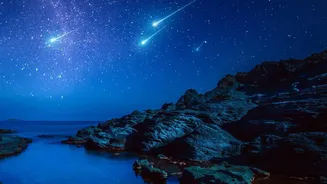
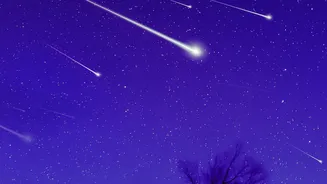
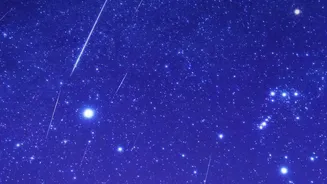
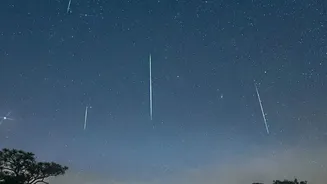
Every October, Earth passes through a trail of cosmic dust left behind by the most famous of all comets: Halley's Comet. These tiny particles, often no bigger than grains of sand, burn up as they hit our atmosphere at incredible speeds, creating the streaks
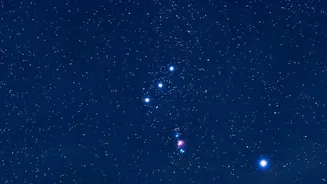
of light we call meteors or 'shooting stars'. The Orionids are so named because they appear to radiate from the direction of the well-known constellation Orion the Hunter. This year, the shower is active from early October to early November, with the peak expected on the night of October 21-22, 2026.
The Urban Advantage: Speed and Brightness
What makes the Orionids a treat for city dwellers is their unique character. They are known for being incredibly fast and bright. Traveling at about 66 kilometres per second, they are among the fastest meteors we see. This speed can cause them to leave glowing trails—incandescent lines of debris that linger in the sky for several seconds after the meteor has vanished. This persistence gives your eyes a better chance to catch the display, even with background light pollution. Furthermore, Orionids are known to occasionally produce 'fireballs', which are exceptionally bright meteors that can easily outshine the surrounding stars and become visible even from less-than-ideal urban locations.
Finding Your Urban Observatory
While the Orionids offer a fighting chance against city lights, your location still matters. The key is to find the darkest possible spot available to you. Think of local parks, large open grounds, or even the rooftop of a tall building, provided it's safe and accessible. The goal is to get away from direct streetlights and minimise the light dome that hangs over a city. Even a short drive to the outskirts of your city can dramatically increase the number of meteors you'll see. Wherever you end up, turn off all your lights, including your phone screen, to let your eyes fully adapt to the darkness, a process that takes about 20-30 minutes.
Timing Is Everything: When to Look Up
The peak of the 2026 Orionids occurs on the night of October 21-22. The absolute best time for viewing is in the pre-dawn hours, between midnight and sunrise. This is when the Earth is rotating into the meteor stream, much like driving into a rain shower, increasing the number of visible meteors. This year, there will be a bright moon in the sky for part of the night. However, the good news for viewers in India is that the moon will set around 3 a.m., leaving a window of dark sky until dawn begins to break. This is your prime time. The radiant point in Orion will be high in the sky, maximising your chances of a spectacular show.
Essential Gear for the City Astronomer
You don't need any fancy equipment to enjoy a meteor shower. In fact, binoculars and telescopes are not recommended because their narrow field of view means you'll likely miss the show. Your eyes are the best tool you have. The most important gear is for comfort. Bring a blanket or a reclining lawn chair so you can lie back and look up without straining your neck. Since October nights can get chilly, dressing in warm layers and having a flask of a hot beverage is a good idea. The final essential is patience. Settle in, get comfortable, and give the sky your undivided attention. The universe has a show prepared just for you.