





Meet Your Body’s Built-in Stress Manager
Deep inside your body is a powerful nerve that acts like a biological emergency brake for stress. It’s called the vagus nerve, and it's the longest and most complex of the cranial nerves. The name comes from the Latin word 'vagus', meaning 'wandering',
because it meanders from the brainstem down to the abdomen, connecting to your heart, lungs, and gut along the way. This nerve is the main highway of your parasympathetic nervous system, which is responsible for the 'rest and digest' state. When you're stressed, your 'fight or flight' sympathetic nervous system takes over. The vagus nerve’s job is to counteract that, slowing your heart rate and telling your brain that you are safe. A well-functioning vagus nerve helps you recover from stressful events quickly. The good news is that you can actively stimulate it to bring about a sense of calm.
The Science of the Arctic Reset
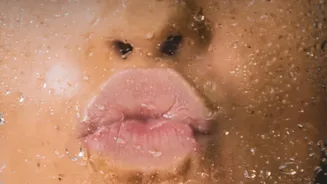
When your face, particularly the area around your forehead, eyes, and nose, is submerged in cold water, it triggers an ancient survival mechanism called the mammalian dive reflex. This reflex is present in all air-breathing mammals. Your brain receives an urgent message: 'We are underwater, conserve oxygen!' In response, it immediately initiates several changes. Your heart rate slows down (a phenomenon called bradycardia), and blood vessels in your limbs constrict to redirect blood flow to your vital organs. This process directly stimulates the vagus nerve, forcing your nervous system to shift from a state of high alert to one of calm and relaxation. It effectively interrupts the anxiety loop, providing a powerful, physiological reset in real time.
How to Perform a Facial Plunge Safely
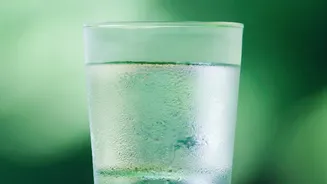
You don't need to jump into an icy lake to get the benefits. A simple facial immersion is effective and easy to do at home. Fill a sink or a large bowl with cold water. For a stronger effect, you can add a few ice cubes, but the water should be uncomfortably cold, not painfully freezing. Take a normal breath in and out, then hold your next comfortable breath. Submerge your face in the water for 15 to 30 seconds. Focus on immersing your entire face, especially your forehead and cheekbones. You don’t need to hold your breath for a long time; even a short duration is enough to kickstart the reflex. Afterwards, gently pat your face dry. The entire process takes less than a minute but can change your mental state significantly.
More Than Just a Stress Buster
While immediate stress reduction is the primary benefit, activating your vagus nerve with cold water has other positive effects. This practice can temporarily reduce facial puffiness and redness by constricting blood vessels, making it a popular trick among makeup artists and celebrities before an event. The improved blood circulation as your skin rewarms can give you a healthy, temporary glow. Some studies and anecdotal reports suggest that regular cold exposure can lead to the release of mood-elevating neurotransmitters like dopamine and endorphins, potentially improving your overall mood over time. It's a simple, multi-benefit wellness practice that costs nothing and requires no special equipment.
Important Cautions and Considerations
This technique is safe for most people, but there are important exceptions. Individuals with pre-existing heart conditions or low blood pressure should consult a doctor before trying any form of cold water therapy, as the sudden drop in heart rate could pose a risk. Also, those with sensitive skin or conditions like rosacea should be cautious, as extreme cold can sometimes cause irritation or broken capillaries. It’s crucial to listen to your body. The goal is a brief, shocking cold, not prolonged exposure that could damage skin. Never apply ice directly to the skin, as this can cause frostbite or cold burns. The aim is a therapeutic shock, not an endurance test.