
Jungfraujoch – The Top of Europe
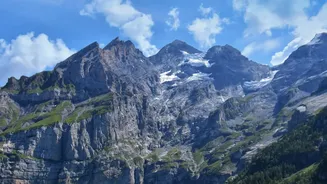
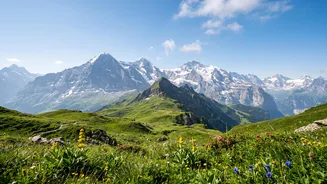
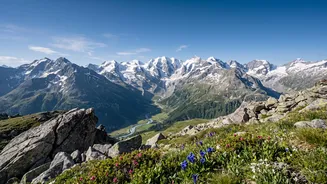
The journey to Jungfraujoch, the highest railway station in Europe, is an engineering marvel that culminates in an astonishing view over the Aletsch Glacier. The experience is undeniably epic, offering a world of snow and ice year-round. However, its
fame comes at a price—both literally and figuratively. The cost is significant, and the crowds can be intense. From the train cars to the viewing platforms and the Ice Palace, you'll be sharing the 'Top of Europe' experience with many others. The key to enjoyment is planning. Booking the first train of the day is the single most effective strategy to beat the masses. You will find the Sphinx observatory and outdoor plateau noticeably quieter, allowing you to soak in the alpine majesty before the midday rush arrives. Also, book your tickets well in advance, especially during the peak summer months of July and August, as timed slots can sell out.
Zermatt – The Matterhorn's Village
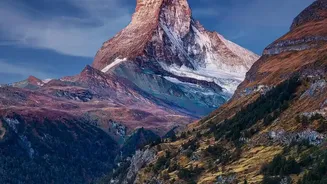
Zermatt is the quintessential car-free Alpine village, nestled perfectly beneath the world's most recognizable peak: the Matterhorn. Its charm is undeniable, with rustic chalets, lively streets, and the constant, breathtaking backdrop of the mountain. Yet, its popularity means the main street, Bahnhofstrasse, can feel more like a bustling city thoroughfare than a tranquil mountain escape, especially during peak ski season and mid-summer. To find the magic, you need to step off the beaten path. Staying overnight allows you to experience the village in the quiet hours of early morning and late evening after day-trippers have left. For a better view without the crowds, take the Gornergrat railway at sunrise or explore the trails around the Riffelsee lake early, before 8:30 AM, for a perfect reflection of the Matterhorn in the still water. Exploring quieter neighbouring areas like Saas-Fee can also offer a similar high-alpine feel with a fraction of the visitors.
Lucerne – The Postcard-Perfect City
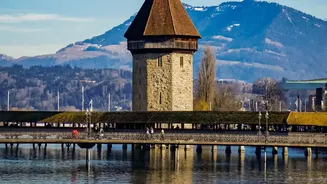
With its medieval Chapel Bridge, iconic Water Tower, and stunning lakeside setting against a backdrop of mountains, Lucerne is a staple of any Swiss itinerary. This also makes it a magnet for tour groups. The famous wooden bridge, in particular, can become a slow-moving procession of people between 10 AM and 4 PM in the summer. To experience its true charm, a little timing goes a long way. Cross the Chapel Bridge before 9 AM or after 6 PM, when the crowds thin and the light is soft and golden. While many tourists cluster around the bridge and the Lion Monument, the city has quieter corners. Explore the Musegg Wall, the old city ramparts, which offers fantastic free views over the rooftops, or wander the cobblestone streets of the Old Town away from the main waterfront. A boat trip on the lake also provides a beautiful perspective of the city without the congestion.
Lauterbrunnen Valley – The Social Media Star
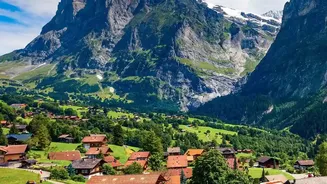
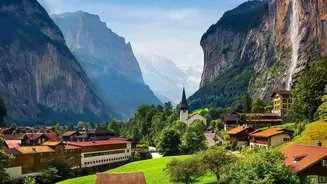
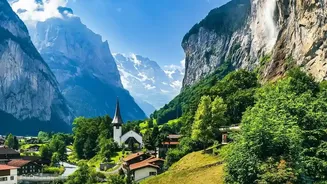
The Lauterbrunnen Valley, with its 72 waterfalls cascading down sheer cliffs, has become an icon of Swiss beauty, amplified globally by social media. This has transformed the once-sleepy valley into a hotbed of 'overtourism', with the small community struggling to cope with the influx. The main path from the village to Staubbach Falls can feel incredibly congested, especially during peak season. Local authorities have even considered an entry fee to manage day-trippers arriving by car. To enjoy Lauterbrunnen's dramatic scenery without contributing to the bottleneck, consider arriving by public transport. Better yet, go further. Walk or bike deeper into the valley toward Stechelberg, or take one of the cable cars up to the car-free villages of Mürren or Wengen, perched on the cliffs above. These higher-altitude spots offer breathtaking views back down into the valley with a more peaceful atmosphere.
Interlaken – The Adventure Gateway
Interlaken's location between two stunning lakes, Thun and Brienz, and its role as the primary access point to the Jungfrau Region, make it a bustling hub. While the town itself is more of a functional base than a charming destination, its main streets are often filled with tour groups and souvenir shops. Many travellers find the real value of Interlaken is not in the town itself, but as a launchpad for the surrounding area. Use your Interlaken Guest Card for free local bus travel to explore the shores of Lake Thun or Lake Brienz. Instead of spending all your time in the town centre, focus on the activities it enables: take a boat cruise, go paragliding for an aerial view, or use it as a starting point for day trips to quieter villages like Brienz, Thun, or Beatenberg. Think of Interlaken as a convenient starting line, not the finish line.