




A Landmark Achievement Recalled
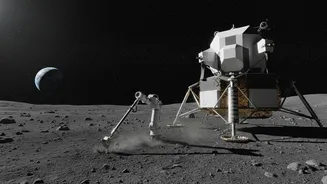
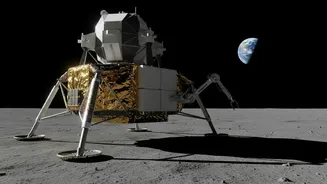
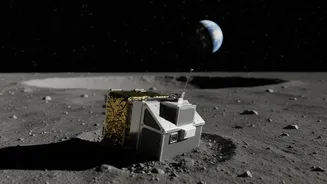
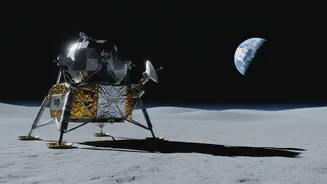
In August 2023, India made history by becoming the first nation to successfully soft-land a spacecraft near the lunar south pole. The Vikram lander and the Pragyan rover from the Chandrayaan-3 mission began their work on a previously unexplored part of the Moon.
While the operational phase of the mission was completed within one lunar day (about 14 Earth days), scientists have been diligently analysing the treasure trove of data ever since. These recent findings, published in various scientific journals, are the direct result of that painstaking work, offering the first-ever ground-truth measurements from this strategic region.
The Surprising Case of Sulphur
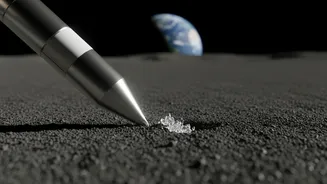
One of the most significant revelations from the Pragyan rover's instruments was the unambiguous confirmation of sulphur. Using its Laser-Induced Breakdown Spectroscope (LIBS), the rover zapped the lunar soil with a laser to analyse its elemental makeup. While previous orbital missions had hinted at sulphur, they lacked the ability to confirm it on the ground. The definitive in-situ detection by Chandrayaan-3 was a major breakthrough. Planetary scientists have long known that sulphur is rare on the Moon's surface, so finding it in higher-than-expected concentrations at the south pole was an intriguing puzzle. This discovery forces a rethink of the region's geological history, suggesting processes different from those at the equatorial regions visited by the Apollo missions.
Rewriting the Moon's Volcanic History
So where did the sulphur come from? Scientists are exploring several theories. Its presence could be linked to ancient volcanic activity, suggesting the Moon may have been more geologically active in its past than previously thought. Another possibility is that sulphur was delivered by meteorite impacts over billions of years. A third theory suggests that at the extremely cold temperatures of the lunar poles, sulphur from the Moon's thin atmosphere could freeze onto the surface like frost. Whichever theory proves correct, the presence of sulphur provides a crucial new data point that must be incorporated into models of how the Moon formed and evolved. The Pragyan rover also detected other elements like aluminum, iron, calcium, chromium, and titanium, providing a more complete chemical profile of this unique polar region.
More Than Just Chemical Composition
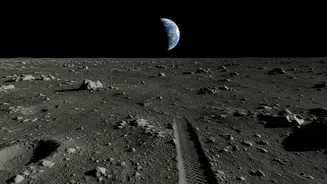
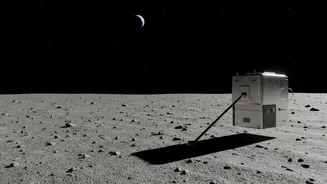
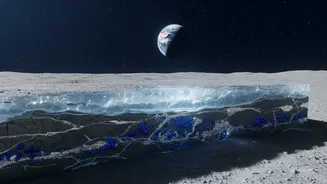
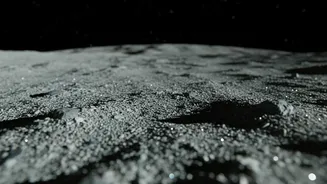
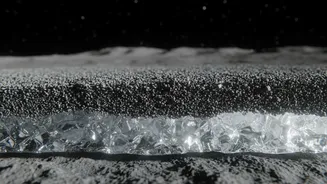
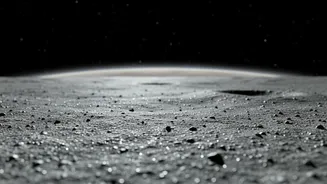
Beyond the chemical discoveries, ongoing analysis of Chandrayaan-3 data has revealed new details about the physical nature of the lunar soil, or regolith. Data from the lander's 'hop' maneuver—where it fired its engines to lift off and land a short distance away—showed that the lunar surface isn't uniform. It exposed a distinct two-layer structure, with a loose, flour-like topsoil and a denser, more cohesive layer just centimetres underneath. For future missions, this is critical information. It tells engineers and astronauts that walking on the Moon might feel different from digging into it, impacting the design of habitats, rovers, and mining equipment.
Global Impact and Future Missions
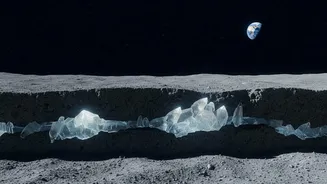
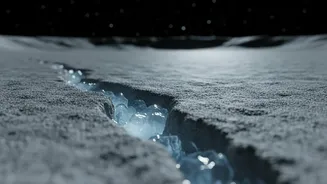
The data from Chandrayaan-3 is not just a point of national pride for India; it is a gift to the global scientific community. ISRO has made the data available to international researchers, ensuring these findings can be integrated into worldwide lunar science. These ground-truth measurements are invaluable for NASA's Artemis program and other international missions planning to land humans and robots in the south polar region. A better understanding of the soil's composition and properties is essential for in-situ resource utilization (ISRU)—the idea of living off the land by using local materials like water ice and minerals (including sulphur) to create breathable air, drinkable water, and even rocket fuel. The findings expand the potential areas for prospecting for water ice, a key goal for establishing a sustainable human presence on the Moon.