




Anyone who has travelled overnight on an Indian train knows the struggle of securing a good night's sleep. A new design feature in the upcoming Vande Bharat Sleeper coaches, however, aims to solve one of the most common complaints of rail travel.
The All-Too-Familiar Problem
For decades,
passengers in AC 3-tier coaches have faced a persistent issue: the berths located near the main entry and toilet areas are prone to constant disruption. The repeated opening and closing of coach doors, the movement of other passengers and vendors in the passageway, and the associated noise can make restful sleep nearly impossible. This problem is especially pronounced on long, overnight journeys where passengers in these 'unlucky' berths are often subject to a night of disturbances, impacting their overall travel experience. The design of many older coaches, including some on premium trains like the Rajdhani Express, places these sleeping areas in direct proximity to high-traffic zones, a flaw that Indian Railways is now looking to correct.
A Simple Yet Effective Redesign
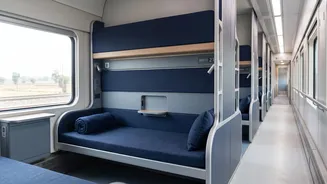
The Vande Bharat Sleeper, manufactured by firms including BEML, introduces a thoughtful architectural change to tackle this issue head-on. Recent videos and design showcases reveal that the train features a sliding door at the entrance to the coach, but with a crucial modification. There is now a significant gap or vestibule area that separates this main door from where the passenger berths begin. This added space acts as a buffer zone, effectively distancing sleeping passengers from the noise and activity concentrated at the coach's entrance. A travel content creator recently highlighted how this layout means passengers can rest more peacefully, as the frequent comings and goings are no longer happening right beside their heads.
More Than Just a Door
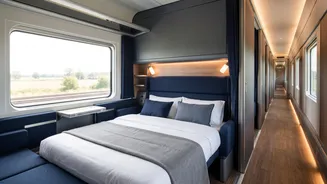
Beyond this specific feature, the entire Vande Bharat Sleeper trainset is engineered for a quieter, more comfortable journey. The coaches feature enhanced noise insulation and mitigation measures to create a more silent cabin atmosphere. Sensor-based inter-communication doors between coaches are designed to reduce noise, while the train’s advanced suspension and couplers promise a smoother, jerk-free ride at speeds of up to 160 kmph. The lighting system is also getting a major upgrade, with sensor-based ambient lighting in common areas and soft, floor-level light strips in the aisles to help passengers navigate at night without disturbing others. These elements work together to create an environment conducive to sleep.
A New Benchmark for Comfort
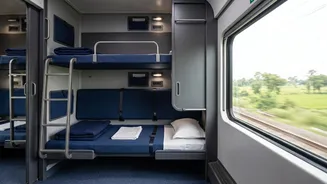
The Vande Bharat Sleeper aims to set a new standard for overnight train travel in India, surpassing even the current premium Rajdhani Express trains. The prototype coach design includes 11 AC 3rd tier coaches, four AC 2nd tier coaches, and one AC First Class coach, with a total capacity of around 823 passengers. Amenities are being significantly upgraded across all classes. Berths are designed to be wider and have better cushioning, and the ladders for upper berths have been redesigned for easier and safer climbing. Toilets are ergonomic, odourfree biovacuum systems, similar to those in aircraft. Passengers in First AC will even have access to shower cubicles with hot water, a first for semihighspeed trains in India.
When Can We Expect to Board?
While the first prototypes of the Vande Bharat Sleeper have been unveiled, the timeline for a widespread rollout has seen some adjustments. The first service was inaugurated in January 2026. However, multiple manufacturing contracts are in place, with companies like BEML, a TitagarhBHEL consortium, and a joint venture led by Rail Vikas Nigam Limited (RVNL) all tasked with producing these advanced trainsets. The RVNLled venture, for instance, has a target to roll out its first prototype by the end of the current financial year, which concludes on March 31, 2027. These new trains are facing rigorous safety and quality checks to ensure they meet the high standards required for operation, which has led to some delays. Passengers will likely see a gradual introduction of these trains on popular longdistance routes over the next few years.