





The Great Fiber Divide
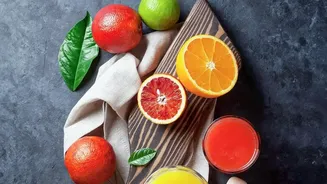
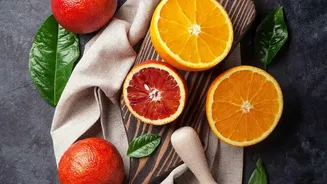
The most significant difference between drinking juice and eating fruit lies in one crucial component: dietary fiber. When a fruit is juiced, whether in a factory or your kitchen, the process separates the liquid from the fibrous pulp, skin, and membranes.
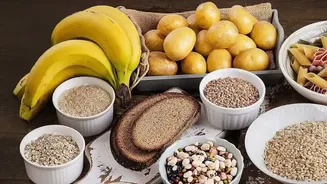
This fibrous material is where a large portion of the fruit's health benefits are stored. Fiber is essential for maintaining a healthy digestive system, but its benefits don't stop there. It plays a critical role in regulating how your body absorbs sugar. The fiber in a whole apple or orange forms a sort of gel-like matrix in your gut, slowing down the digestion of the fruit's natural sugars and leading to a more gradual rise in blood glucose levels. Without this fibrous buffer, the sugars from juice hit your bloodstream much faster, causing a rapid spike and subsequent crash in blood sugar.
Texture, Chewing, and Feeling Full
The headline's focus on 'texture' is key to understanding why whole fruit is often the superior choice. The physical act of chewing is the first step in digestion, signaling to your brain that you are eating and helping you register fullness. It takes time and effort to eat an apple or a bowl of berries. In contrast, you can drink the juice equivalent of three or four oranges in a matter of seconds. This rapid consumption bypasses the body's natural satiety signals that tell you when to stop eating. Studies have consistently shown that solid foods are more satiating than liquids. When people consume whole apples before a meal, they tend to eat significantly fewer total calories compared to those who drink apple juice. The bulk and texture provided by the fiber in whole fruit contribute to a greater feeling of fullness, which can help with weight management.
A Question of Concentrated Sugar
Because it takes several pieces of fruit to make a single glass of juice, the resulting drink is a much more concentrated source of sugar and calories than a single piece of whole fruit. While the sugar is natural, the quantity and lack of fiber mean your body processes it very differently. The sugars in juice are considered 'free sugars', the same type found in honey, syrups, and added to processed foods, which we are advised to limit. In contrast, the sugars within the cellular structure of whole fruit are called 'intrinsic sugars' and are not considered as harmful because they come packaged with fiber. This difference is reflected in the glycemic index (GI), a measure of how quickly a food raises blood sugar. A whole orange has a low GI of around 43, while orange juice has a medium GI of about 57, closer to that of some sodas.
What About Vitamins and Nutrients?
While juicing removes fiber, it's a myth that it strips out all nutrients. Freshly made juice still provides a good dose of vitamins and minerals. However, the process can lead to some nutrient loss. Many beneficial plant compounds, like antioxidants and polyphenols, are bound to the fiber in the pulp and skin, so they are partially lost during juicing. Furthermore, some water-soluble vitamins, particularly vitamin C, are sensitive to light and air and can degrade once the fruit is processed and exposed. So, while juice is not devoid of nutrients, the whole fruit delivers a more complete and stable nutritional package.
Is There a Place for Juice?
Despite its downsides, fruit juice is not necessarily a villain. It can be a convenient way to get a quick dose of nutrients, especially for those who struggle to eat enough whole fruits. For athletes, a small glass of juice can provide a rapid source of energy before or after a workout precisely because of its fast-absorbing sugar. The key is moderation and intention. Think of juice as a supplement or an occasional treat rather than a daily staple or a replacement for whole fruit. If you do opt for juice, choosing one with some pulp is better, and pairing it with a source of protein or fat, like eggs or yogurt, can help slow down the absorption of sugar. Blending fruit into a smoothie is another better alternative, as it retains the fiber that juicing removes.