
The Foundation: Your 6x6 Foot Gym
Before you begin, identify your workout zone. All you need is an area roughly the size of a yoga mat, about 6x6 feet. This is enough space for every exercise in this routine. Clear the area of any obstacles to ensure you can move safely and freely. The
beauty of zero-gear workouts is their accessibility; your living room, bedroom, or even a wide hallway can become your personal fitness studio. This approach removes common barriers like cost and travel time, making it easier to stay consistent.
The Warm-Up: Prime Your Body for Movement
Never skip your warm-up. A proper warm-up prepares your body for exercise, reducing the risk of injury. Spend 5-10 minutes getting your muscles ready with dynamic movements. Start with 30 seconds of marching in place or high knees to elevate your heart rate. Follow this with arm circles (forward and backward), leg swings, and torso twists to improve mobility. These simple actions wake up your muscles and tell your body it's time to work.
The Cardio Blast: No Jumping Required
You can get your heart pumping without making a lot of noise or requiring a lot of space. Mountain climbers are a fantastic choice for both cardio and core strength; start in a plank position and bring your knees to your chest alternately. Another great option is the 'silent' burpee: from a standing position, squat down, step your feet back into a plank, step them back to your hands, and stand up. This low-impact variation gives you the full-body benefits of a burpee without the jump, making it perfect for apartment living.
The Strength Circuit: Build Power with Bodyweight
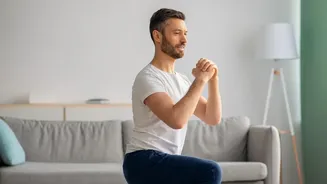
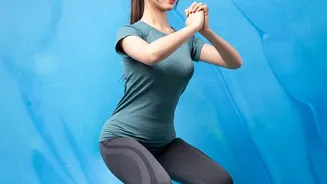
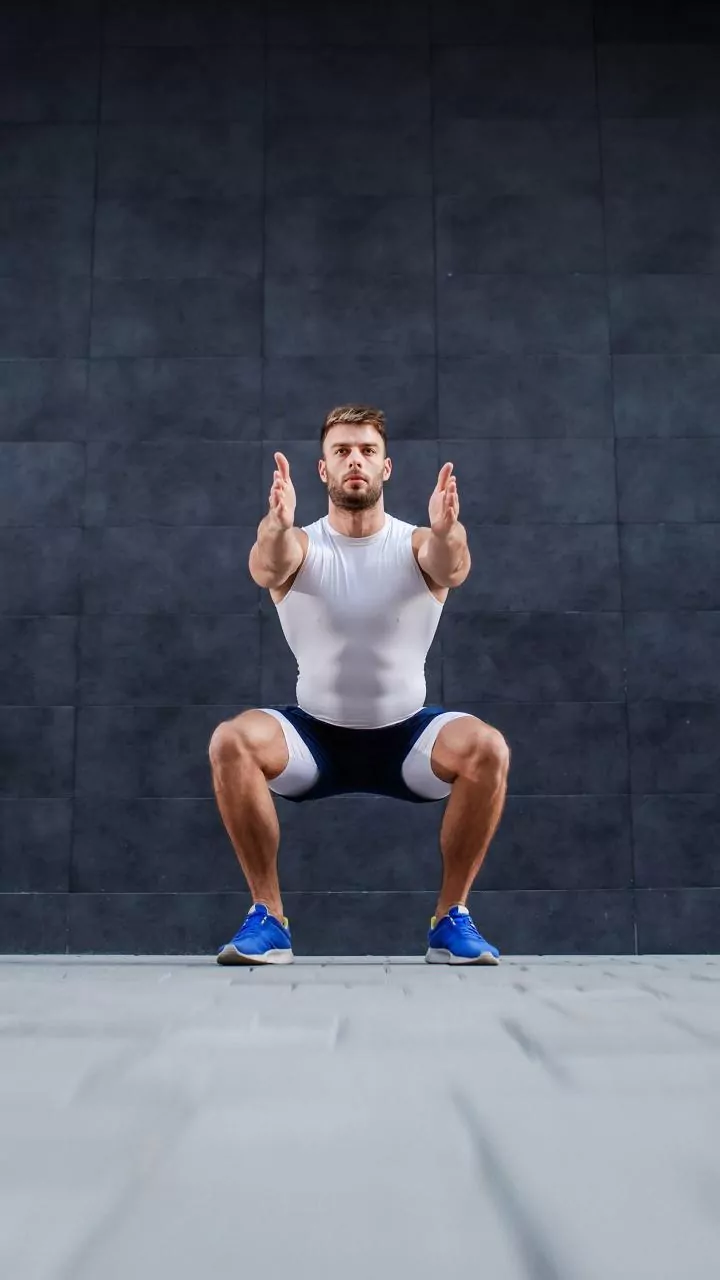
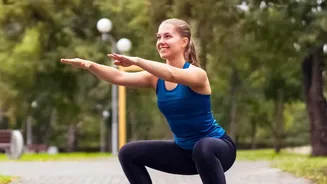
Bodyweight exercises are incredibly effective for building functional strength. A simple circuit can target all your major muscle groups. Start with squats, ensuring your back is straight and you're sitting back as if into a chair. Move on to push-ups; if a full push-up is too hard, you can modify it by placing your hands on a wall or by doing them on your knees. Next, perform lunges, which are excellent for your legs and improving balance. Finally, use a chair or the edge of your bed for tricep dips to work your arms.
The Core Finisher: Strengthen Your Centre
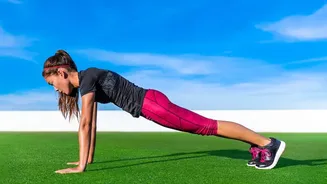
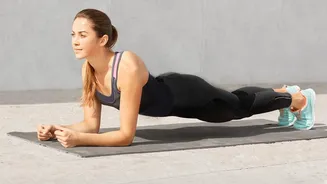
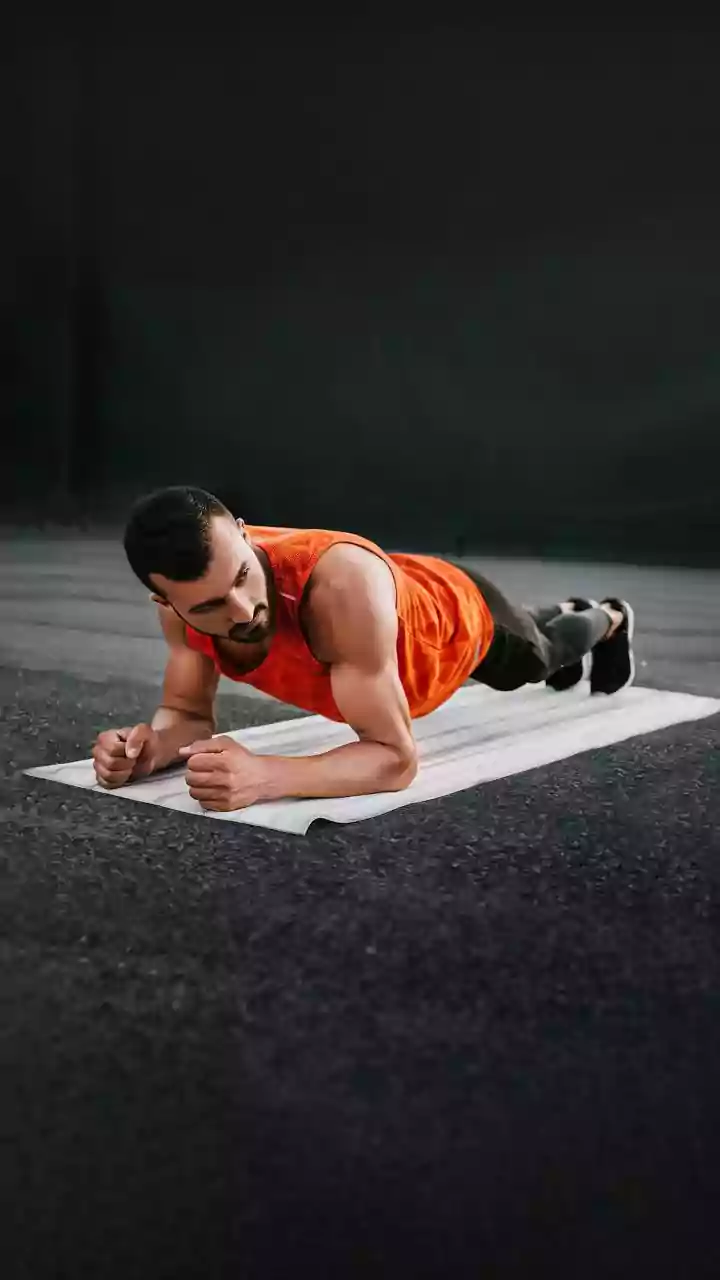
A strong core is the foundation of all movement and helps protect your back. The plank is the ultimate core-strengthening exercise. Hold a plank position on your forearms or hands for 30-60 seconds, keeping your body in a straight line from head to heels. For an added challenge, try plank shoulder taps. For your lower back and glutes, the glute bridge is a simple but powerful move. Lie on your back with your knees bent and lift your hips toward the ceiling, squeezing your glutes at the top.
The Cool-Down: Flexibility and Recovery
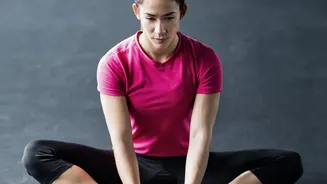
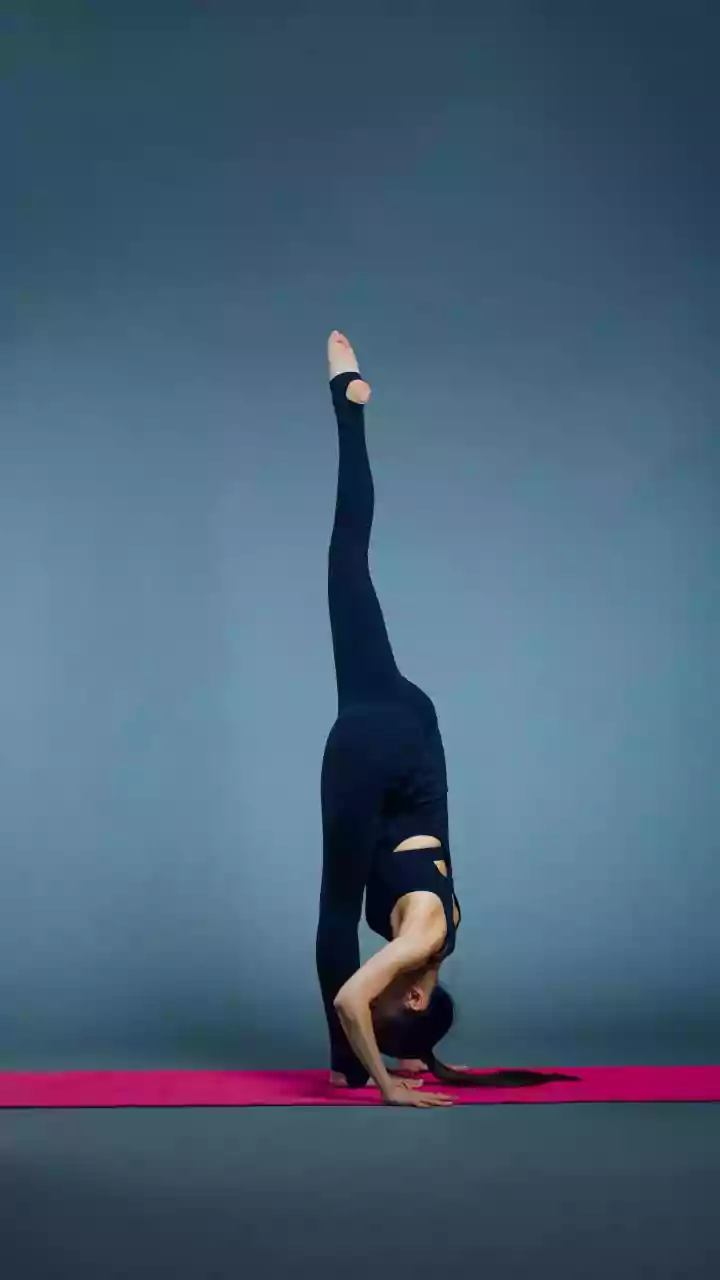
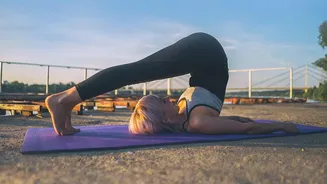
After your workout, it's crucial to cool down and stretch. This helps improve flexibility and aids in muscle recovery. Hold each stretch for 20-30 seconds without bouncing. Focus on stretching the major muscle groups you just worked: quadriceps, hamstrings, glutes, chest, and back. Gentle stretches and a few moments of deep breathing will help bring your heart rate down and leave you feeling accomplished and relaxed.