



Gatte ki Sabzi
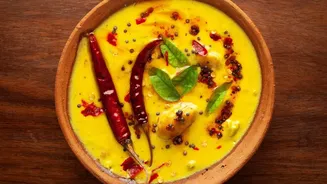
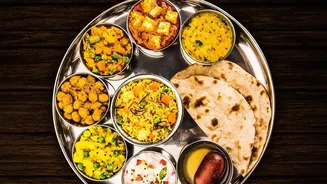
Hailing from the arid lands of Rajasthan, Gatte ki Sabzi is a testament to culinary resourcefulness. In a region where fresh vegetables can be scarce, this dish uses gram flour (besan) to create delicious, protein-packed dumplings called 'gatte'. These
steamed and pan-fried morsels are then simmered in a tangy, spicy yogurt-based curry. The cleverness lies in creating a substantial, flavourful main course without relying on vegetables, proving that necessity is truly the mother of invention. The use of besan provides substance and nutrition, making it a hearty and satisfying meal served with roti or rice.
Panki
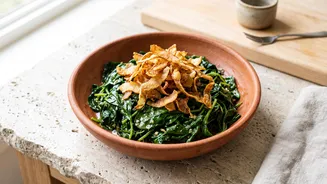
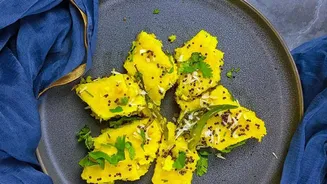
This delicate Gujarati snack is a masterclass in subtle flavour infusion. Panki, which means 'leaf', consists of a thin, savoury pancake batter made from rice flour. The genius here is the cooking method: the batter is spread between two oiled banana leaves and cooked on a griddle. This technique allows the pancake to steam gently, making it incredibly soft and light while absorbing the faint, earthy aroma of the leaf. It's a naturally low-oil preparation that highlights how a simple cooking vessel—in this case, a leaf—can transform the texture and taste of a dish.
Patrode
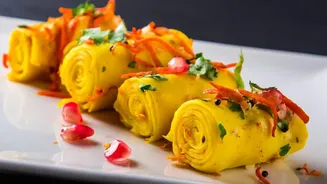
Found along India's western coast, particularly in Karnataka and Maharashtra, Patrode (or Patra) is a brilliant use of colocasia (arbi) leaves. These large, flavourful leaves can cause an itchy sensation in the throat due to calcium oxalate crystals. The cleverness of Patrode is in the spicy, tangy paste made from rice flour, spices, and a crucial souring agent like tamarind or raw mango. This paste not only adds incredible flavour but also neutralises the irritants in the leaves. The layered leaves are rolled, steamed, and then either tempered or fried, resulting in a complex and delicious snack.
Aamer Tok
A quintessential Bengali summer cooler, Aamer Tok (or Aamer Ombol) is a light, sweet and sour curry made with unripe green mangoes. Its brilliance lies in its purpose. Served at the end of a meal, it acts as a palate cleanser and a digestive aid, which is especially welcome during hot and humid weather. The recipe cleverly balances the intense sourness of raw mangoes with a bit of sugar and a simple tempering of mustard seeds and dried red chilli. It’s a dish designed for a specific function: to cool the body and settle the stomach, showcasing a deep understanding of seasonal eating.
Himachali Siddu
Siddu is a hearty, steamed bread from the mountains of Himachal Pradesh, perfect for its cold climate. Made from a fermented wheat flour dough, these buns are stuffed with a savoury filling. The cleverness is in the traditional fillings, which often consist of energy-dense local ingredients like walnuts, poppy seeds, or roasted lentils. These fillings not only provide flavour but also a vital source of protein and fats, offering sustained energy and warmth. Served hot with a generous dollop of ghee, Siddu is a comforting and nutritionally smart food designed for mountain life.
Tehri
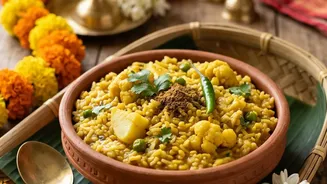
Originating from the Awadhi cuisine of Uttar Pradesh, Tehri is a fragrant, one-pot vegetarian rice dish. It is said to have been created for the vegetarian bookkeepers in the courts of Nawabs as a meatless alternative to biryani. Its ingenuity lies in its simplicity and versatility. Unlike the complex layering of a biryani, Tehri involves cooking rice with vegetables like potatoes and peas, along with aromatic spices and turmeric, which gives it a characteristic yellow hue. It was a clever way to create a festive, satisfying meal that stretched ingredients and elevated humble vegetables into a dish worthy of celebration.
Mor Kuzhambu
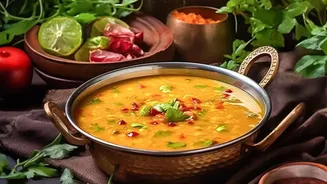
This South Indian yogurt-based curry from Tamil Nadu is a brilliant example of no-waste cooking. Mor Kuzhambu is a tangy, spiced buttermilk gravy that can be made with a variety of vegetables like ash gourd or okra. However, its cleverest versions involve using ingredients that might otherwise be discarded or need using up. Leftover fried items like medhu vadas or bondas can be dunked into the kuzhambu, where they soak up the gravy and are reborn as a delicious component of the main course. It’s a dish that embodies the principle of turning leftovers into a brand-new, comforting meal.
Phodnicha Bhaat
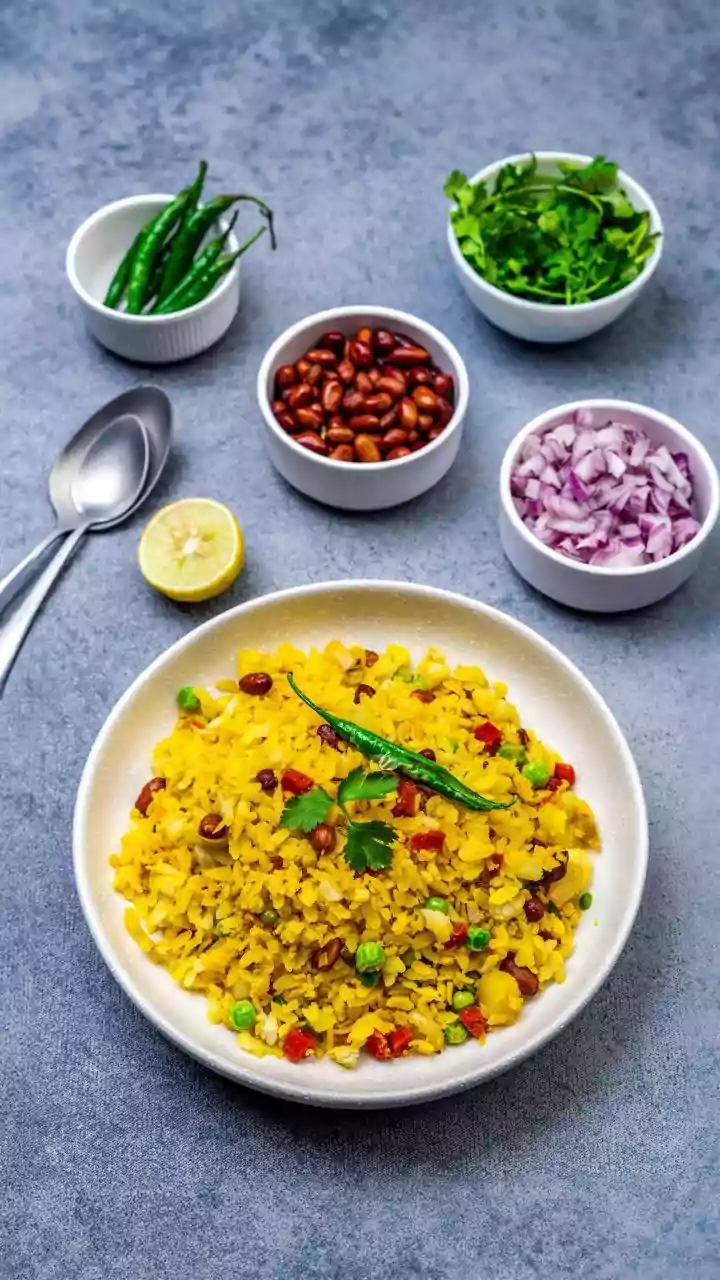
A beloved Maharashtrian breakfast, Phodnicha Bhaat literally means 'tempered rice'. Its genius lies in its core purpose: to transform last night's leftover rice into a vibrant, flavourful, and comforting morning meal. The cold, separated grains of old rice are perfect for this dish. A simple tempering (phodni) of oil, mustard seeds, cumin, onions, curry leaves, and turmeric is prepared, and the rice is stir-fried into it. It takes minutes to prepare but results in a wonderfully aromatic and satisfying dish, proving that the most comforting foods are often born from the simplest and most frugal ideas.