


A Perfect Storm for Germs
The monsoon season's defining characteristics—high humidity and warm, ambient temperatures—create the ideal conditions for microscopic life to flourish. Bacteria, yeasts, and moulds thrive in moist environments. The elevated moisture in the air allows
these microorganisms to multiply rapidly on the surface of food that is left out. This combination of warmth and dampness essentially turns your kitchen counter into an incubator, accelerating food spoilage far quicker than during drier seasons. According to medical experts, this is a prime season for foodborne diseases because the environment is so favourable for germs to grow and spread.
The Two-Hour Rule Gets Shorter
Food safety experts have a general guideline known as the "two-hour rule": perishable food should not be left at room temperature for more than two hours. However, this rule comes with a critical exception. When the temperature is high, around 32°C (90°F) or warmer, that safety window shrinks to just one hour. During the Indian monsoon, temperatures often hover in this range, making the one-hour rule a much safer benchmark. Within this 'Danger Zone'—temperatures between 4°C and 60°C—bacteria can double in number in as little as 20 minutes. The longer food sits out in the warm, humid air, the greater the risk of it accumulating a dangerous level of harmful bacteria.
Meet the Microbial Menace
The problem isn't just about food going visibly bad; it's about the invisible germs that can make you seriously ill. Common culprits behind food poisoning include bacteria like Salmonella, E. coli, and Staphylococcus aureus, all of which thrive in monsoon-like conditions. These pathogens can contaminate food and, when ingested, lead to unpleasant and sometimes severe gastrointestinal illnesses. Symptoms can include nausea, vomiting, diarrhoea, and stomach cramps. It's also important to remember that food doesn't have to look or smell spoiled to be contaminated. Many dangerous bacteria can be present in high numbers without any obvious signs.
Cross-Contamination and Other Hidden Risks
The monsoon's dampness increases risks beyond just leaving food out. Wet kitchen surfaces, chopping boards, and utensils can harbour bacteria for longer periods, increasing the chances of cross-contamination. This happens when germs from raw foods, like meat, are transferred to cooked or ready-to-eat foods. It's crucial to keep raw and cooked foods separate during preparation and storage. Another major concern during this season is water contamination. Heavy rains can overwhelm drainage systems and contaminate public water supplies, which can then be used for washing vegetables or in cooking, introducing pathogens like cholera and typhoid.
Your Monsoon Food Safety Guide
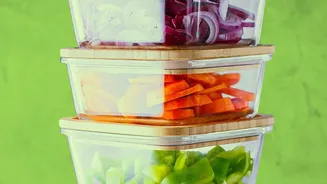
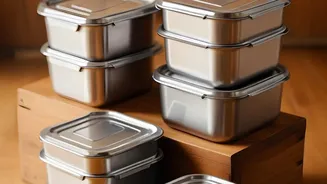
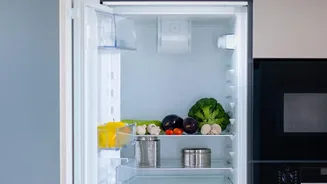
Staying safe doesn't mean you can't enjoy your food; it just requires a little extra care. Always refrigerate cooked food within one to two hours, storing it in airtight containers. When you eat leftovers, be sure to reheat them thoroughly to a safe internal temperature, killing off any bacteria that may have developed. Maintain good kitchen hygiene by washing your hands, utensils, and surfaces often. Be particularly cautious with street food, as it's more exposed to the elements and potential contamination. Opt for freshly cooked, hot meals over raw items like salads or pre-cut fruit when eating out. Finally, ensure the water you use for drinking and cooking is either boiled or properly filtered.