

Beyond Button and Butter Masala
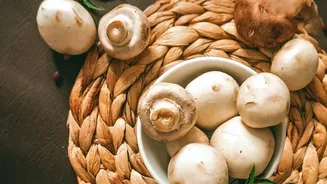
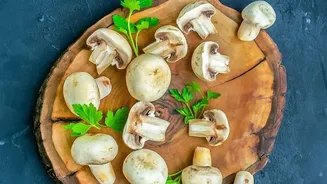
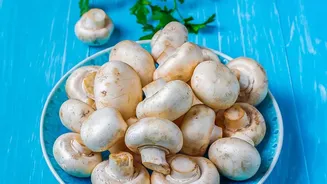
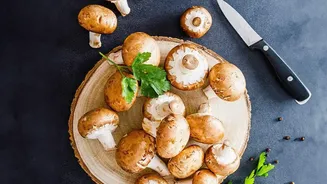
For years, mushrooms on an Indian menu typically meant one of two things: button mushrooms in a generic gravy or perhaps a familiar mushroom tikka. While comforting, these dishes barely scratched the surface of what fungi have to offer. Today, a new wave
of culinary creativity is sweeping through urban cafes. Chefs are looking beyond the common button mushroom, which still dominates the market, and are embracing a wider world of fungi. This shift is driven by a growing curiosity among Indian diners, who are more exposed to global food trends and are increasingly adventurous in their tastes. The result is a cafe landscape where mushrooms are no longer just a vegetarian substitute but a celebrated ingredient in their own right.
The New Fungi All-Stars
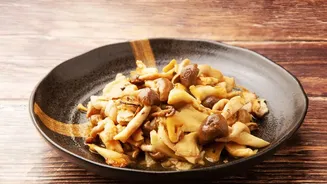
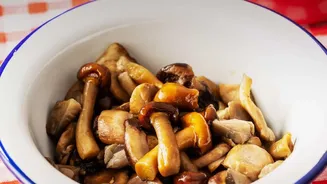
The stars of this new movement are varieties that offer unique textures and flavour profiles. Shiitake mushrooms, known for their rich, smoky, and meaty flavour, are being used in stir-fries, soups, and even as a savoury topping for toast. Soft and delicate Oyster mushrooms, which absorb flavours beautifully, are appearing in everything from creamy pastas to crispy, batter-fried snacks. Other exotic types like the mild and nutty Shimeji, crisp Enoki, and rare Gucchi (Morels) are also finding their way onto gourmet menus, introducing a new vocabulary of taste and texture to cafe-goers. This diversification is transforming cafe menus from predictable to exciting, offering complex, umami-rich flavours that were previously the domain of fine-dining restaurants.
A Health and Wellness Halo
This mushroom renaissance isn't just about flavour; it's also deeply connected to the growing wellness trend. Mushrooms are nutritional powerhouses. They are low in calories and fat, yet rich in protein, fibre, and essential vitamins and minerals like selenium, potassium, and B vitamins. Crucially, they are one of the few non-animal sources of Vitamin D. As more consumers seek out plant-based and nutrient-dense foods, mushrooms fit the bill perfectly. Their potential health benefits, including boosting the immune system, promoting gut health, and providing powerful antioxidants, add a 'feel-good' factor to indulging in a cafe meal. Some cafes are even experimenting with functional mushroom coffee, using extracts from varieties like Lion's Mane and Reishi to offer a brain-boosting alternative to a standard latte.
From Local Farms to Cafe Tables
The rise of creative mushroom cooking is also intertwined with a more sustainable approach to food. Mushroom cultivation is remarkably resource-efficient, requiring significantly less land and water than traditional crops or animal proteins. Many varieties can be grown vertically indoors year-round, often on agricultural byproducts like sawdust or straw, which reduces waste. This has led to a growth in local and urban mushroom farms supplying fresh, high-quality produce directly to city cafes. This farm-to-table connection reduces food miles and ensures chefs have access to the freshest ingredients, allowing the unique character of each mushroom variety to shine. This sustainable halo makes the mushroom a hero ingredient for our times.
What’s on the Modern Cafe Menu?
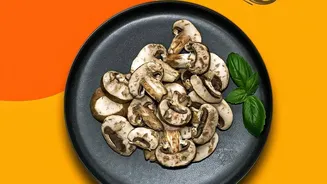
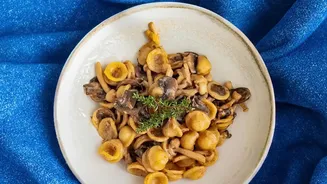
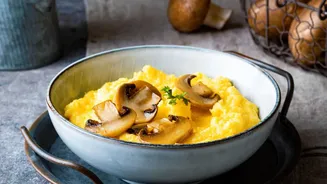
So what do these new mushroom dishes look like? Think thick slices of sourdough toast piled high with creamy, garlic-sauteed shiitake and oyster mushrooms. Imagine savoury tarts with a flaky crust filled with leeks and mushrooms, or tacos where spiced, shredded mushrooms replace meat. We're seeing mushrooms used to create rich, flavourful fillings for dosas and paniyarams in a modern South Indian twist. Other popular dishes include hearty mushroom soups, flavourful biryanis and pulaos made with assorted mushrooms, and even mushroom 'bacon' strips adding a smoky, crispy element to breakfast plates. These dishes showcase the mushroom's incredible versatility, proving it can be creamy, crispy, meaty, and delicate all at once.