





The Art of Perfect Rice
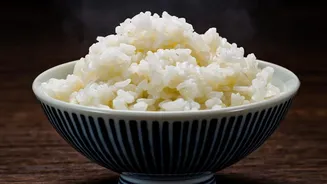
Achieving your ideal rice texture is a science of ratios. For long-grain varieties like Basmati, the goal is often fluffy, separate grains. A common starting point is a 1:1.5 ratio of rice to water. For an even fluffier result, some cooks swear by a 1:1.75
ratio. Rinsing the rice thoroughly before cooking is a crucial step; this removes excess surface starch that causes stickiness. For a softer, slightly stickier texture, often desired for certain dishes, you can reduce the rinsing or use a shorter-grain rice, which naturally contains more of the sticky starch called amylopectin. For these types, a 1:1 ratio is often sufficient. Remember to bring the rice and cold water to a boil together, then reduce the heat to a low simmer, cover with a tight-fitting lid, and let it cook undisturbed. This allows the grains to steam evenly and absorb the water properly.
Mastering Dals and Lentils
The ideal texture for dal can vary greatly, from a thick, creamy porridge to a soup with distinct, whole lentils. The type of lentil is the first factor. Red lentils (masoor dal) break down quickly and are perfect for a smooth, creamy finish. For these, a water-to-lentil ratio of around 3:1 or 4:1 on the stovetop is a good starting point. Toor dal and moong dal may require a similar ratio but can benefit from soaking to shorten cooking time. For firmer lentils that you want to hold their shape, such as in a salad, use less water and a shorter cooking time. Chana dal, being larger and firmer, always benefits from soaking and requires a longer cooking time, often with a 4:1 water ratio on the stovetop to become tender. A pressure cooker drastically reduces both time and the amount of water needed, typically requiring a 2:1 or 2.5:1 ratio since there's minimal evaporation. For a creamier dal, you can lightly mash the cooked lentils against the side of the pot before adding the final tempering (tadka).
The Pursuit of 'Al Dente' Pasta
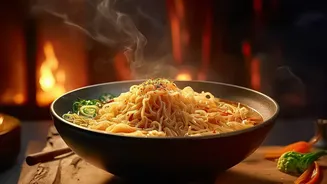
The gold standard for pasta is 'al dente', which translates to 'to the tooth'. This means the pasta is cooked through but still offers a slight, firm resistance when bitten. Overcooking pasta turns it soft and mushy, and it won't hold sauce as well. The first rule is to use a large pot with plenty of water—at least 4 to 5 quarts of water per pound of pasta. This ensures the water temperature doesn't drop too much when you add the pasta and gives it room to cook evenly without sticking. Salt the water generously until it tastes like the sea; this seasons the pasta from the inside out. Bring the water to a rolling boil before adding the pasta. While package instructions are a good guide, start testing for doneness a minute or two before the recommended time. Fish out a piece and bite into it. If it's tender but firm, it's ready. Remember that the pasta will continue to cook slightly from residual heat and when mixed with hot sauce.
Vibrant and Crisp Vegetables
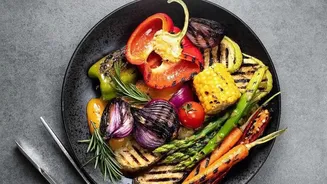
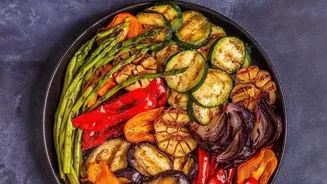
The enemy of boiled or steamed vegetables is mushiness. To keep greens like beans, broccoli, and spinach vibrant and crisp, the technique is blanching. This involves cooking the vegetables in boiling water for a very short, specific amount of time before immediately plunging them into an ice bath. This 'shocking' process halts the cooking instantly, locking in colour, texture, and nutrients. The timing is critical and varies by vegetable. For example, green beans and broccoli florets may only need 2-3 minutes in boiling water, while leafy greens like spinach might need just 1.5 to 2 minutes. For vegetables you intend to serve warm, simply boil or steam them for the minimum time required to become tender-crisp. Don't overcrowd the pot, as this lowers the water temperature and leads to uneven, slower cooking. By carefully watching the clock, you can ensure your vegetables have a pleasant bite rather than a soft, waterlogged texture.