


What Is This Celestial Parade?
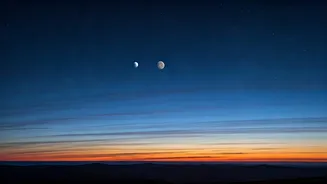
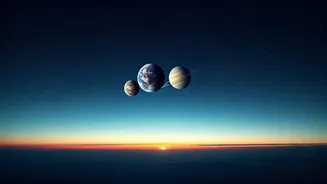
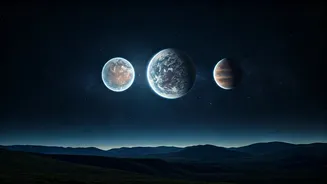
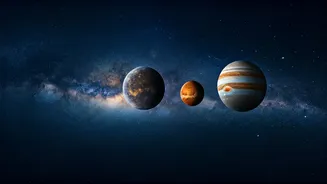
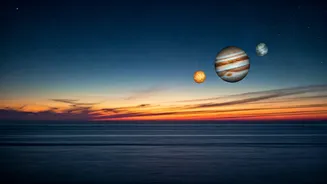
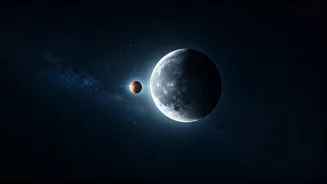
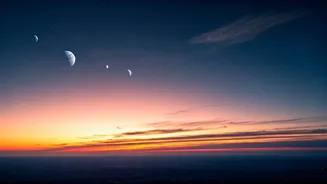
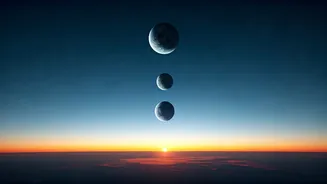
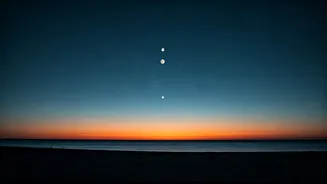
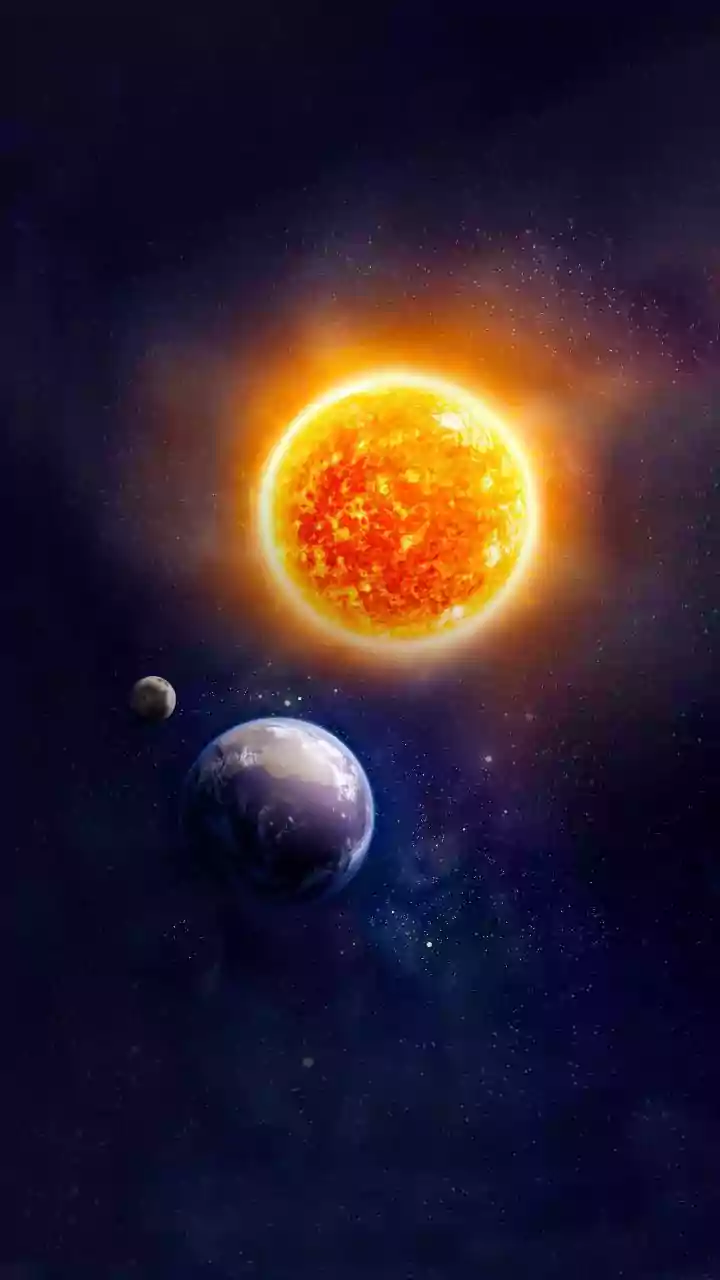
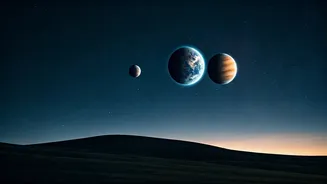
What you’re seeing is often called a planetary alignment or a conjunction. While the planets aren't actually close to each other in space—they are millions of kilometres apart—their orbits are bringing them into the same line of sight from our perspective
here on Earth. It’s a beautiful cosmic coincidence that allows us to see multiple worlds in a single glance. Such events are a fantastic reminder of the dynamic, ever-moving nature of our solar system. For centuries, these alignments have captivated humanity, inspiring myths, scientific discovery, and a simple sense of wonder.
When and Where to Look
The key to catching this celestial show is timing. The best viewing window begins shortly after the sun has fully set. Find a spot with a clear, unobstructed view of the western horizon—the direction where the sun went down. The planets will be visible in the twilight sky. You’ll have about 30 to 60 minutes to enjoy the sight before the planets themselves begin to set below the horizon. The bright glow of twilight can make fainter objects tricky to see, so be patient as your eyes adjust to the dimming light. Arriving a few minutes early will give you the best chance to witness them emerge from the dusk.
How to Identify Each Planet
Even for a novice, telling these planets apart is surprisingly easy. The most dazzling point of light will be Venus. Often called the "Evening Star," it shines with a brilliant, steady white light and is typically the first 'star' to appear after sunset. It will be unmistakably bright. Jupiter, the largest planet in our solar system, will also be very bright, though likely not as intense as Venus. It will appear as a large, unwavering star. The trickiest one to spot is Mercury. As the closest planet to the sun, it never strays far from its glare and is always low on the horizon. Look for a much fainter, star-like point of light near the horizon, likely appearing just as the sky darkens enough. Spotting all three is the ultimate prize.
Do I Need a Telescope?
Absolutely not! This is one of the best things about planetary alignments involving bright planets like Venus and Jupiter—they are easily visible to the naked eye. In fact, using just your eyes is the best way to appreciate the grand scale of the alignment across the sky. However, if you have a pair of binoculars, they will certainly enhance the experience. Through binoculars, you might be able to see Jupiter as a tiny disc rather than a point of light. On a very clear night, you might even glimpse its four largest moons (the Galilean moons) as tiny pinpricks of light flanking the planet. A telescope would reveal even more detail, like the phases of Venus, but it’s not necessary to enjoy the main event.
Tips for the Best View
To maximise your viewing experience, try to get away from city lights. Light pollution from streetlights and buildings can wash out the fainter objects in the sky, especially Mercury. A park, a rooftop, or a location on the outskirts of town will offer a darker sky and a better view. Give your eyes at least 15 minutes to fully adapt to the darkness; avoid looking at your bright phone screen during this time. Finally, check the weather forecast. Clear skies are essential. Even a bit of haze or low-lying cloud on the western horizon can obscure the view, so cross your fingers for a clear evening.