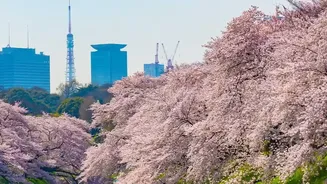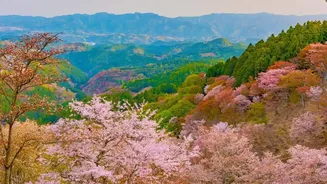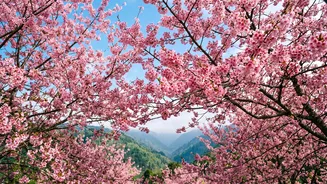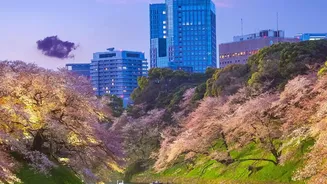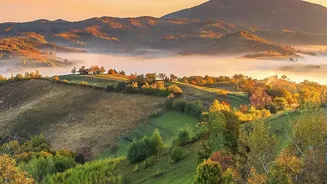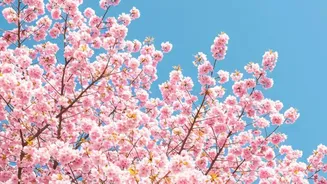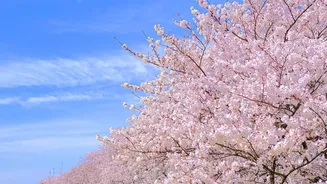




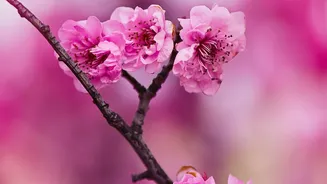
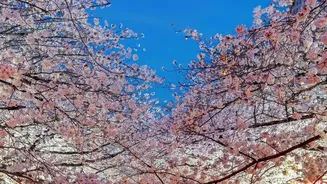
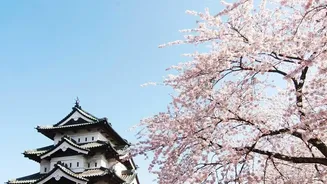
While most of India prepares for winter, the hills of Shillong burst into a surprising spectacle of pink and white. This unique autumn bloom, a sight that defies the typical spring calendar, has rapidly become a major draw for travellers.
An Autumn Phenomenon
The primary reason
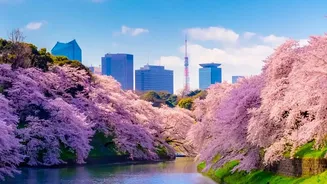
for Shillong's November allure is biological and climatic. Unlike the famous cherry blossoms of Japan, which are a herald of spring, Shillong is home to the Himalayan Cherry Tree (Prunus cerasoides). This variety has a different internal clock, triggered to bloom by the falling temperatures and shorter days of autumn. The season begins after the monsoon has washed the landscape clean, leaving behind crisp, cool air and clear skies. This post-monsoon timing, typically from late October through November, creates perfect weather for tourists looking for a pleasant escape, with daytime temperatures that are ideal for exploring. This makes it one of the few places in the world to host an autumn cherry blossom festival.
More Than Just Flowers: The Festival
Capitalising on this natural wonder, the city hosts the Shillong Cherry Blossom Festival, an event that has grown exponentially since it began in 2016. This is not just a quiet flower-viewing event; it's a full-blown international music and cultural festival. The government has strategically used the festival to transform Meghalaya's tourism season, extending it into what was traditionally an off-peak period. The festival features a powerful lineup of international and homegrown Indian musical acts, spanning rock, indie, and electronic genres. This blend of nature and modern entertainment attracts a younger demographic of domestic travellers who are looking for a comprehensive experience that combines scenic beauty with vibrant nightlife and concerts.
A Boost for the Local Economy
The festival's success has a significant economic impact, a major draw for both organisers and local businesses. Reports from previous years show a massive return on public investment, with the festival generating crores in revenue across hospitality, food and beverage, and transport sectors. During the festival, hotels in Shillong and surrounding areas report full occupancy, and local entrepreneurs—from food stall vendors to handicraft artisans—see a substantial income boost. This creates thousands of temporary jobs and provides a platform for showcasing local Khasi traditions, cuisine, and crafts to a national audience, fostering a sense of community pride and sustainable, inclusive growth.
An Instagrammable Destination
In the age of social media, the visual appeal of a destination is a powerful magnet. Shillong in November is exceptionally 'Instagrammable'. The soft pink blossoms against the backdrop of Ward's Lake, the green expanse of the Shillong Golf Course, and the colonial-era architecture create picture-perfect moments. Organisers have leaned into this, creating attractions like illuminated night walks under the cherry trees. The widespread sharing of these stunning images online by thousands of visitors has created a powerful, organic marketing campaign, fuelling a desire among domestic tourists to experience the fairytale-like scenery for themselves and capture their own unique shots.
Gateway to the Northeast
For many domestic visitors, the Shillong Cherry Blossom Festival serves as an accessible and exciting entry point to exploring the wider wonders of Meghalaya and the Northeast. Travel companies increasingly bundle festival tickets with tours to other iconic regional attractions like the living root bridges in Cherrapunji (Sohra), the crystal-clear waters of the Umngot River in Dawki, and Mawlynnong, often cited as Asia's cleanest village. The festival's timing in November, with its pleasant weather, makes it an ideal anchor for a longer itinerary, allowing travellers to experience the cultural vibrancy of Shillong before venturing into the state's breathtaking natural landscapes.