






What Exactly Is El Niño?
El Niño, Spanish for 'the little boy', is a natural climate phenomenon characterized by the unusual warming of the sea surface temperatures in the central and eastern equatorial Pacific Ocean. This isn't just a localized ocean event; it triggers a cascade
of atmospheric changes that alter weather patterns across the globe. For India, the most significant consequence is its strong correlation with weaker monsoon seasons. Forecasts indicate that the current El Niño conditions are expected to strengthen and persist through the end of the monsoon season and into early 2027, increasing the risk of a drier-than-normal year.
The Critical Monsoon Connection
India’s economy and the livelihoods of millions are intricately linked to the performance of the southwest monsoon, which provides about 70% of the country's annual rainfall. A strong El Niño typically weakens the monsoon winds and disrupts the circulation patterns that bring rain to the subcontinent. This often leads to deficient rainfall and prolonged dry spells during the crucial June-to-September period. As of mid-September 2026, the monsoon has already delivered below-average rainfall, with the nationwide deficit standing at 15%. This trend has raised alarms about the impact on agriculture, especially for rain-fed crops.
Threats to Food Production and Prices
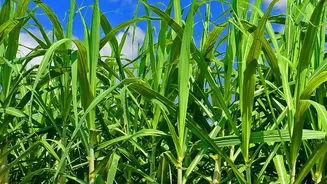
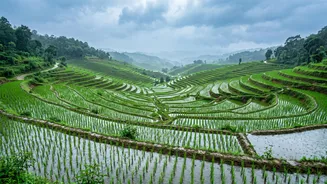
A weak monsoon directly threatens India's Kharif (summer) crops. As of early September 2026, data from the Agriculture Ministry showed a 4% decline in the sowing area for paddy (rice), a staple food crop, compared to the previous year. States like Karnataka, Telangana, and Uttar Pradesh have seen significant drops in paddy acreage. The uneven rainfall has also affected the sowing of other crops like oilseeds and cotton. Such shortfalls in agricultural production can lead to lower farm incomes, reduced rural demand, and, most worryingly, an increase in food inflation, a concern already flagged by the Reserve Bank of India.
A Strain on Water Resources
Beyond the fields, a deficient monsoon places immense strain on India's water supplies. The monsoon is vital for replenishing the country's major reservoirs, which are critical for irrigation, drinking water, and hydroelectric power generation. As of September 10, 2026, water storage in India's 178 monitored reservoirs was at about 71% of their total capacity. This is significantly below the levels recorded at the same time last year and below the ten-year average. The situation is particularly concerning in the southern and northern regions, where reservoir levels are sharply below normal, raising the risk of water scarcity in the months ahead.
Wider Economic Ripple Effects
The impact of a poor monsoon extends far beyond farming and water taps. It is a whole-economy risk. Reduced agricultural output can dampen rural spending, which is a major driver of overall consumer demand. Lower reservoir levels can curtail hydroelectric power generation, potentially straining the power grid. Furthermore, persistent food inflation can complicate the RBI's efforts to manage economic growth and stability. While government agencies are preparing contingency plans for hundreds of high-risk districts, the combination of a strong El Niño and an already uneven monsoon performance presents a significant challenge for the Indian economy.