






The ‘Clean Label’ Mandate
For decades, food labels were a confusing jumble of polysyllabic chemicals and proprietary blends. Consumers were largely expected to trust the branding on the front of the box, not the fine print on the back. That era is decisively over. The 'clean label'
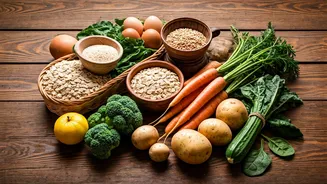
movement isn't just a marketing buzzword; it’s a consumer-driven mandate for transparency and simplicity. Shoppers today are demanding ingredient lists they can actually read and understand, preferably without needing a chemistry degree. A clean label product contains natural, familiar, and simple ingredients. Think whole foods, not chemical compounds. It means no artificial flavors, colors, sweeteners, or preservatives. If you can't pronounce it, or if your grandmother wouldn't recognize it as food, the modern consumer is increasingly likely to leave it on the shelf. This shift has sent shockwaves through the food industry, forcing legacy brands to reformulate classic products and creating a massive opportunity for startups built on a foundation of simplicity.
Why Millet? Why Now?
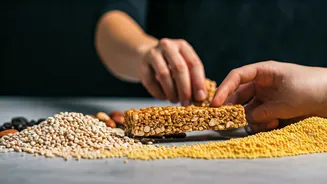
Enter millet. This tiny, bead-like grain is hardly new—it’s an ancient staple that has sustained civilizations for thousands of years. But in the context of the modern American diet, its resurgence is perfectly timed. Millet checks all the boxes for today's health-conscious consumer. It’s naturally gluten-free, making it an ideal choice for the millions of Americans avoiding wheat. It’s a nutritional powerhouse, packed with fiber, protein, and essential minerals like magnesium. Crucially, it’s also a sustainable crop. Millet is drought-resistant and can thrive in poor soil conditions with fewer pesticides and fertilizers than corn or wheat, aligning with growing consumer interest in environmentally friendly food choices. When this powerhouse grain is used as the base for a snack bar, it provides a wholesome, plant-based foundation that feels both rustic and modern. The “regional” part of the headline points to another layer of this trend: a desire for products with a sense of place and a shorter, more transparent supply chain.
The Rise of the Food Detective
The single biggest driver behind this trend is you—or more specifically, the increasingly educated American shopper. The phenomenon dubbed 'label literacy' is no exaggeration. Armed with smartphones and unlimited access to information, consumers have transformed from passive recipients of marketing to active investigators of their food. They stand in the aisle, turning over packages to scan QR codes, Google unfamiliar ingredients, and cross-reference claims on nutrition apps. This isn't a niche behavior reserved for the ultra-devout wellness community; it's going mainstream. Parents want to know what’s in the snacks they give their kids. Athletes want clean fuel. Everyday people are simply more aware of the connection between diet and long-term health. This heightened scrutiny means that vague health claims like 'natural' are no longer enough. Brands now have to prove their value through radical transparency, and the ingredient list has become the ultimate truth-teller.
Putting It All Together: The Perfect Storm
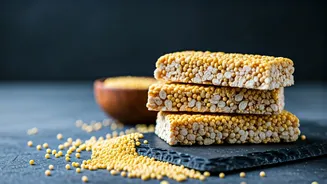
Clean label regional millet bars aren't just a snack; they are a story in edible form. They represent the convergence of these powerful consumer currents. The use of millet appeals to the demand for gluten-free, nutrient-dense, and sustainable ingredients. The “regional” aspect speaks to a desire for authenticity and traceable sourcing. And the entire concept is built to satisfy the 'clean label' detective who will flip the bar over and be rewarded with a short, simple list of ingredients: things like millet, dates, nuts, seeds, and maybe a touch of honey or sea salt. These bars are succeeding not by shouting the loudest, but by quietly and confidently meeting the new standards set by informed consumers. They are proof that in today's market, the simplest product is often the most sophisticated.