


Embrace the Shade
The first myth to dispel is that all plants need hours of direct, harsh sunlight. Many culinary herbs actually prefer partial shade or indirect light. In hot climates, a spot that gets gentle morning sun or is bright but shaded for most of the day is perfect.
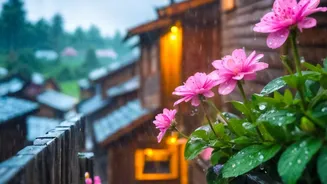
The rainy season, with its overcast skies, naturally creates these ideal low-light conditions. Herbs like mint, chives, and parsley thrive in such environments, focusing their energy on producing lush, flavourful leaves instead of bolting or flowering too quickly under intense heat. This makes your seemingly challenging balcony a prime location for a specific, and delicious, selection of plants.
Mastering Monsoon Moisture
The single biggest challenge during the rainy season isn't the lack of sun—it's the excess water. Consistent rain can leave soil waterlogged, starving roots of oxygen and leading to root rot, which is often fatal for potted plants. The solution is simple: prioritise drainage. First, ensure every pot has at least one, if not several, drainage holes. Second, never let your pots sit flat on the floor where water can pool. Elevate them on bricks, pot feet, or simple stands to allow excess water to escape freely. Finally, adjust your soil mix. Heavy garden soil retains too much water. Lighten it by adding materials like coco peat, perlite, or coarse sand to create a well-draining medium that stays moist but never soggy.
The Golden Rule of Watering
During the monsoon, you must unlearn the habit of watering on a fixed schedule. With frequent rain and high humidity, your plants will need far less manual watering than in dry seasons. Overwatering is the most common mistake gardeners make during this time. The rule is simple: check the soil first. Stick your finger about an inch or two into the pot. If the soil feels moist, do not water it. On days of continuous downpour, your plants may not need any extra water for a week or more. Letting the top layer of soil dry out slightly between waterings is crucial for preventing fungal diseases and keeping the roots healthy.
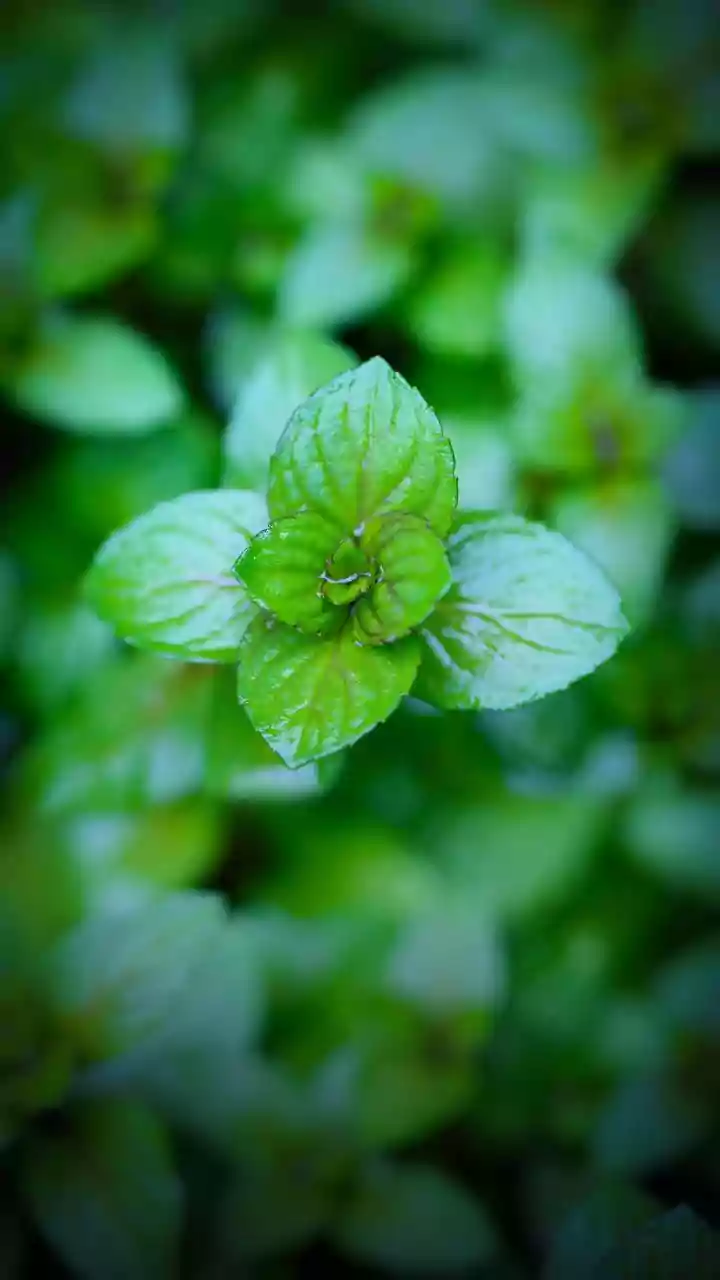
Herb #1: Mint (Pudina)
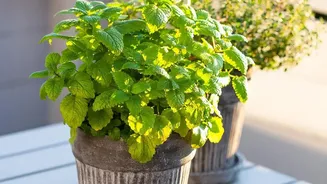
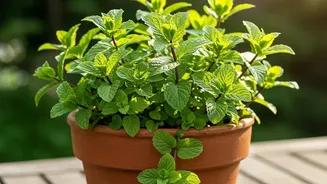
If you can only grow one herb, make it mint. It is famously easy to grow, spreads quickly, and thrives in shady, moist conditions, making it perfect for a monsoon balcony. In fact, it can become so aggressive that it's best grown in its own container to prevent it from taking over other plants. Mint enjoys consistently moist soil but still requires good drainage to avoid root rot. A spot with gentle morning sun or bright, indirect light is ideal. Harvest its leaves frequently by snipping the tops; this encourages the plant to become bushier and more productive, giving you a constant supply for teas, chutneys, and garnishes.
Herb #2: Tulsi (Holy Basil)
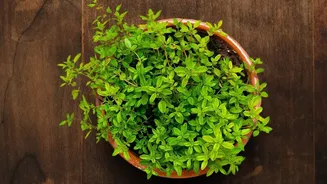
An essential in many Indian households, Tulsi is remarkably adaptable. While it appreciates some sun, it is quite forgiving and grows well in the partial, indirect light common on many balconies. Its resilience makes it a great choice for beginner gardeners. The key with Tulsi during the monsoon is to avoid overwatering, as its roots are sensitive to sitting in soggy soil. Use a well-draining soil mix and water only when the topsoil feels dry to the touch. Pinching off the flower heads (manjaris) will encourage the plant to produce more leaves, which are prized for their immunity-boosting properties.
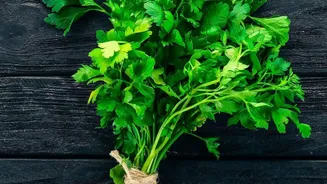
Herb #3: Parsley
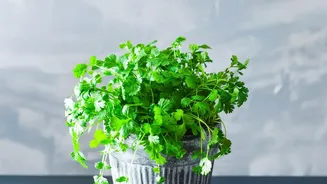
Both flat-leaf and curly parsley varieties are excellent candidates for a low-light garden. They prefer moist soil and will happily grow in a spot that receives only partial sun. Because parsley develops a long taproot, it's best to plant it in a relatively deep container to give it room to grow. The consistent moisture of the rainy season suits it well, provided the pot has excellent drainage. Regular harvesting will promote new growth, ensuring you have fresh, tender leaves for salads, sauces, and garnishes throughout the season.
Herb #4: Chives
With a delicate onion-like flavour, chives are one of the most tolerant and easy-to-grow herbs. They can thrive in a wide range of conditions, including partially shaded spots on a balcony. They regrow quickly after being trimmed, allowing for multiple harvests. To harvest, simply snip the leaves about two inches from the base. This regular trimming encourages a continuous supply of fresh shoots. Like other herbs, they require well-draining soil to prevent their bulbs from rotting in the constant dampness of the monsoon.