


The Taste of Yesterday, Today
Across India’s culinary landscape, a delicious trend is taking hold. Chefs at high-end restaurants and creators of artisanal brands are reaching back into our collective childhoods, plucking out beloved comfort foods and giving them a sophisticated, modern
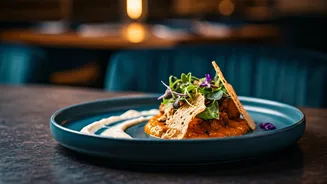
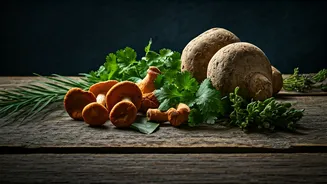
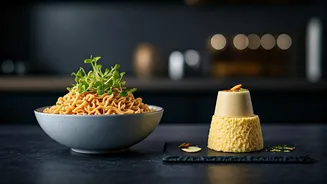
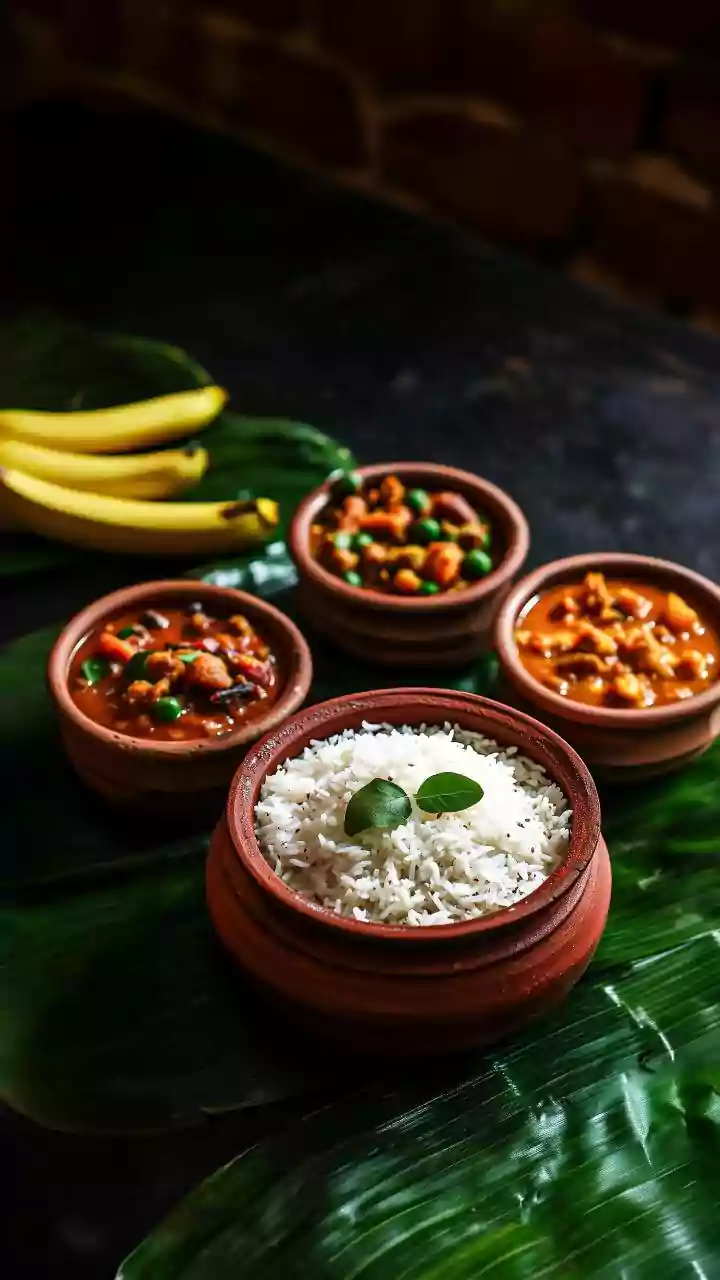
twist. This isn't just about recreating old recipes; it's a complete re-imagination. Think of instant noodles not from a packet, but as a ramen bowl with truffle oil and a slow-cooked egg. Imagine the humble khichdi, once a simple meal for sick days, now presented with exotic wild mushrooms and a drizzle of premium ghee. This trend is visible everywhere, from places like The Bombay Canteen in Mumbai, which built its identity on celebrating regional, often-forgotten dishes with a chic twist, to Farzi Café’s playful, molecular gastronomy-inspired takes on street food classics. It’s a culinary movement that proves the flavours we grew up with have a place not just in our homes, but in the world of gourmet dining.
Why We're Craving Comfort
So, what’s driving this appetite for premium nostalgia? The answer is a mix of psychology and economics. In a fast-paced, often uncertain world, comfort food provides a powerful sense of security and emotional grounding. For many millennials and older Gen Z, who are now the primary audience for these restaurants, these flavours are deeply intertwined with happy, simpler times. They have the disposable income and the desire to experience these familiar tastes in a new, elevated context. Paying a premium for a deconstructed samosa or an artisanal kulfi isn't just about the food itself; it's about buying an experience. It’s a chance to reconnect with a cherished memory while also enjoying the novelty and craft of a high-quality culinary creation. This movement taps into a universal human desire: the longing for the safety of the past, packaged for the discerning palate of the present.
The Business of Memory
For restaurants and food brands, nostalgia is fantastic business. In a crowded market, invoking a shared memory is a powerful way to build an instant connection with customers. A dish that tells a story—your story—is far more compelling than just another technically perfect but soulless creation. Brands like Paper Boat masterfully built an entire empire on this principle, selling packaged drinks that tasted of summer holidays and grandmother’s recipes. Restaurants are now applying the same logic. A 'Gourmet Maggi' on the menu is a conversation starter. It’s Instagrammable, shareable, and leverages decades of brand loyalty built by someone else. It allows chefs to be innovative without being alienating. By using a familiar food as a base, they have the freedom to experiment with high-end ingredients and complex techniques, confident that the customer already has a positive emotional entry point for the dish.
Is It More Than a Gimmick?
Of course, there’s a fine line between a thoughtful homage and an overpriced gimmick. Critics might argue that charging ₹500 for a dish based on a ₹10 snack is cynical. And sometimes, they’re right. A successful nostalgic dish isn't just about adding a fancy ingredient and hiking the price. The best examples honour the spirit of the original while genuinely elevating it. It’s about understanding the soul of the dish—the texture, the flavour profile, the feeling it evokes—and then using superior ingredients and skill to amplify it. When a chef transforms a simple dal into a velvety, slow-cooked masterpiece, or turns a street-side chaat into a perfectly balanced explosion of flavour and texture, it’s not a gimmick. It’s an evolution. It’s a sign that Indian cuisine is confident enough to play with its own history, celebrating its roots while refusing to be limited by them.