




Po Cha: The Famed Tibetan Butter Tea
Perhaps the most iconic Himalayan beverage is Po Cha, or butter tea. Known as 'Gur Gur Cha' in Ladakh from the sound of the churning, this is not a sweet, milky brew but a savory, rich, and nourishing drink essential for life at high altitudes. Traditionally,
it is made by churning tea leaves, water, salt, and yak butter into a thick, creamy liquid. While cow's butter is often used now, the core purpose remains the same: to provide vital calories and hydration in harsh, cold climates. More than just a drink, Po Cha is a cornerstone of Tibetan hospitality. Guests are served bowl after bowl, and it's considered a social ritual that punctuates daily life, from morning routines to important ceremonies.
Nepali Masala Chiya: Aromatic and Comforting
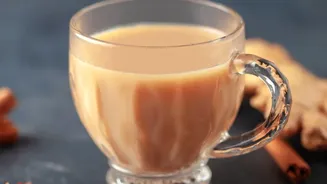
While India's masala chai is world-famous, Nepal has its own distinct version of spiced tea, or 'chiya'. The foundation is often strong black tea, but the magic lies in the symphony of spices that reflect the local palate. Common additions include ginger, cloves, green cardamom, and cinnamon sticks, all simmered together to create a deeply aromatic and warming brew. Some variations might also include bay leaves or black pepper to add layers of complexity. This comforting beverage is a daily staple in Nepal, enjoyed in the morning to kick-start the day and offered to guests as a sign of welcome in homes and monasteries alike.
Bhutan's Tsheringma: A Tea for Longevity
In Bhutan, herbal blends are deeply connected to the traditional Sowa Rigpa system of medicine. One of the most cherished is Tsheringma, named after the goddess of longevity, wealth, and prosperity. This caffeine-free herbal tea traditionally consists of just two key ingredients: safflower petals (gurgum) and the bark of the Cinnamomum tamala plant (shing-tsha). The safflower is believed to benefit the heart and nerves, while the cinnamon bark adds a warm, fragrant flavor and is thought to aid digestion. The result is a soothing, reddish brew that embodies the Bhutanese philosophy of finding wellness through nature.
Himalayan Herbal Infusions: A Wild Pharmacy
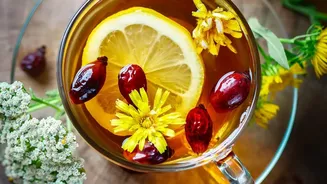
Beyond specific named blends, the Himalayas are a living pharmacy of wild herbs that are often brewed into simple, healthful infusions. These teas are typically caffeine-free and highlight the unique properties of a single plant or a simple combination. For example, Himalayan nettle tea offers a mild, earthy flavor, while infusions made from rhododendron flowers are also popular in certain regions. Other ingredients sourced from the wild include Himalayan Tulsi (holy basil), lemongrass, mint, and rosehip, each chosen for its flavor and traditional benefits, from boosting immunity to aiding digestion. These infusions represent the most direct connection between the mountains and the teacup.
Kangra Tea: The Valley's Green and Herbal Blends
The Kangra Valley in Himachal Pradesh, known for its GI-tagged green and black teas, is also a hub for complex herbal blends. One such example is a formula combining a Kangra green tea base with up to 20 different Ayurvedic herbs. These blends often include ingredients like Ashwagandha, Tulsi, cinnamon, cloves, and mint. Another popular style is the Detox Kahwa, which mixes green tea with warming spices like black pepper, cardamom, and ginger, fortified with Himalayan rock salt. These modern-day creations build upon ancient knowledge, blending the region's celebrated tea leaves with a host of powerful herbs for wellness.