

A quiet but flavorful revolution is happening in India's urban kitchens. The once-dominant mass-produced masalas and sauces are making way for traditional spice blends and sun-cured condiments, reconnecting a new generation with heirloom flavours.
A Return to Authentic Roots
In cities
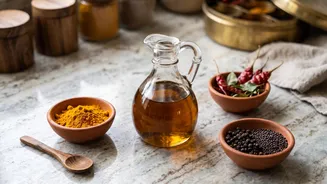
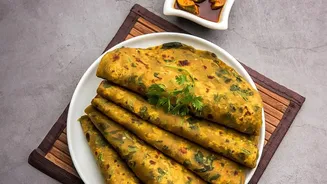
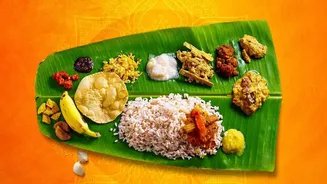
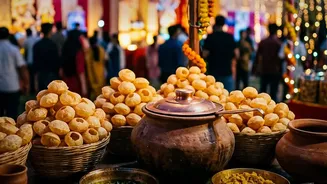
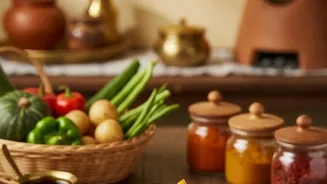
across India, a noticeable shift is underway. Urban foodies are increasingly turning their backs on generic, mass-market spice packets and bottled condiments in favour of more traditional, regional, and artisanal alternatives. This isn't just about cooking; it's a conscious culinary movement. From hand-pounded masalas that capture the unique taste of a specific region to sun-dried pickles and vathals that taste of home, consumers are seeking out flavours that tell a story. This trend reflects a broader desire for authenticity and a deeper connection to India's rich and diverse culinary heritage, moving beyond convenience to embrace quality and provenance.
Nostalgia on the Modern Plate
For many millennials and Gen Z consumers, this trend is deeply personal. It's driven by a powerful sense of nostalgia and a longing for the tastes and aromas of their grandparents' kitchens. These heirloom recipes, once at risk of being forgotten, are finding new life. The process of using a freshly ground spice blend or a traditionally prepared pickle is a way of connecting with family history and cultural identity. It transforms a daily meal into a bridge between past and present, offering a comforting taste of home in a fast-paced urban environment. This emotional connection is a key reason why many are willing to invest time and money in sourcing these authentic products.
The Health and Wellness Angle
Beyond nostalgia, the turn towards traditional ingredients is also fueled by growing health consciousness. Urban consumers are more aware than ever of the additives, preservatives, and processing that go into commercial foods. Sun-curing, for instance, is a natural fermentation process that not only preserves the food but also enhances its nutritional profile with probiotics, unlike high-heat commercial methods that can destroy beneficial enzymes. Similarly, freshly ground spices are perceived as purer and more potent. This search for 'clean labels' and minimally processed foods aligns perfectly with the principles of traditional Indian cooking, where ingredients were valued for their natural and medicinal properties.
From Home Kitchens to Digital Storefronts
This revival wouldn't be possible without a new wave of entrepreneurs making these traditional products accessible. Small, often women-led businesses, home chefs, and direct-to-consumer (D2C) brands are using social media and e_commerce to reach customers who lack the time or knowhow to make these items from scratch. These producers are not just selling a product; they are sharing a piece of their heritage. They offer everything from region_specific spice blends like Chettinad masala to unique sun_cured delicacies, often with a story about the recipe's origin. This has created a vibrant marketplace where consumers can explore the incredible diversity of Indian cuisine from the comfort of their homes.