




Meet the New Game-Changers: Amrit Bharat Express
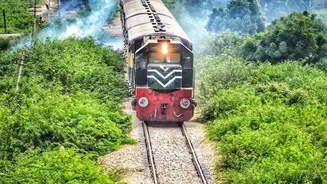
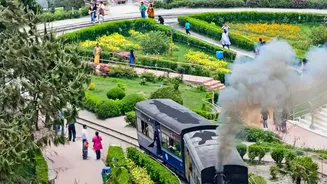
Indian Railways has been rolling out a new category of trains designed specifically for affordable, long-distance travel: the Amrit Bharat Express. Unlike the premium, fully air-conditioned Vande Bharat trains, the Amrit Bharat focuses on non-AC sleeper
and general class coaches, which are the go-to choices for backpackers. These trains feature modern LHB coaches, which offer better safety and comfort, along with amenities like mobile charging points, improved toilets, and better lighting. The key innovation is the use of a 'push-pull' locomotive setup, which allows for faster acceleration and deceleration, significantly cutting down on overall journey times.
Key Routes Connecting Cities to Tiger Country
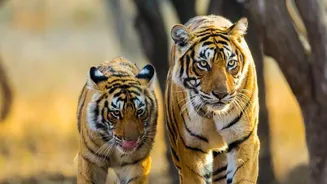
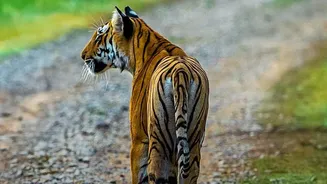
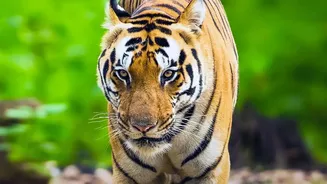
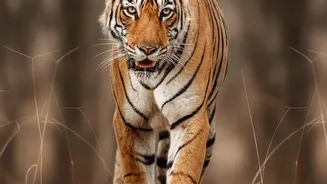
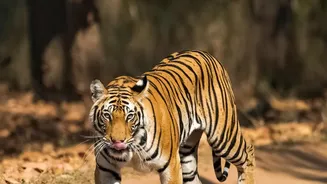
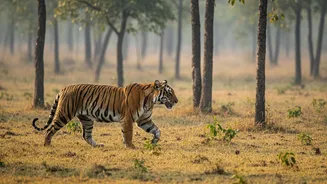
The real win for wildlife lovers is how these new and upgraded routes connect major hubs to gateways for famous tiger reserves. For instance, reaching Ranthambore National Park is easier via Sawai Madhopur station, which has excellent connectivity from Delhi. Similarly, to visit Bandhavgarh and Kanha National Parks in Madhya Pradesh, the key railway stations are Umaria and Jabalpur, respectively. Several new Amrit Bharat and sped-up mail/express trains now serve these routes, linking them to cities like Mumbai, Kolkata, Bengaluru, and Delhi. For Corbett Tiger Reserve, the nearest station is Ramnagar, which has improved connections from Delhi and other northern cities.
How You Actually Save Money
While Amrit Bharat fares are about 15-17% higher than older mail/express trains, the overall savings come from indirect benefits that are crucial for backpackers. Firstly, the pricing is fixed and transparent, with no dynamic fares that surge during peak seasons. A journey of 1,000 kilometres costs roughly ₹500, making budget planning predictable. The biggest cost-saver, however, is time. By reducing travel time by several hours, these trains can turn a 24-hour journey into an 18-hour one. This often saves a traveller the cost of an extra night's accommodation and reduces money spent on food and other transit expenses. The faster journey also means you might not need to take a pricey last-minute taxi to make it for a pre-booked safari.
The Speed Advantage: More Time for Safaris
For a solo backpacker on a tight schedule, time is as valuable as money. Indian Railways' system-wide timetable overhaul has sped up hundreds of existing trains, with some journeys shortened by an hour or more. When combined with the new Amrit Bharat services, this means less time spent on a train and more time on the ground. Instead of losing two full days just travelling to and from a tiger park, you might only lose a day and a half. This opens up the possibility of fitting in an extra morning or evening safari, significantly increasing your chances of a tiger sighting. Less travel fatigue also means you arrive at your destination ready for adventure, rather than needing a full day to recover.
A Better Experience for Solo Travellers
Beyond cost and time, these modern trains offer a more secure and comfortable experience, which is particularly important for those travelling alone. The coaches are cleaner, better maintained, and equipped with CCTV cameras for enhanced safety. Well-placed mobile charging sockets in general and sleeper coaches are a huge plus, ensuring you can stay connected and use your devices for navigation and booking. The overall design focus of the Amrit Bharat is on providing a dignified and comfortable journey for the common passenger, a philosophy that directly benefits the budget-conscious backpacker who relies on these classes for their travels across India.
Tips for Planning Your Train Trip
To make the most of these new services, planning is key. Book your train tickets well in advance, especially during holidays and peak wildlife season (October to March), as even these high-capacity trains fill up quickly. Use the official IRCTC website or app for bookings. Once you arrive at the gateway station like Sawai Madhopur or Umaria, you'll need to arrange local transport to the park entrance. Shared jeeps or local buses are the most budget-friendly options. For safaris, book your spot online through the forest department's official website. Group safaris, where you share a jeep, are the most economical choice for solo travellers.