




The Core Difference: Organization vs. Compression
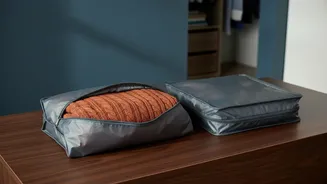
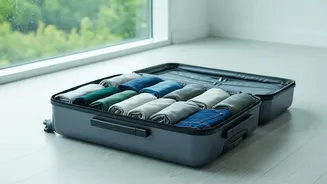
At their heart, packing cubes and vacuum bags serve two different primary functions. Basic packing cubes are essentially fabric boxes—brilliant for organization. They let you sort clothing by type or day, keeping your suitcase tidy and making it easy
to find what you need without unpacking everything. Some versions, known as compression cubes, feature an extra zipper that squeezes the cube's contents, but they don't remove air. Vacuum luggage bags, on the other hand, are designed for one main purpose: maximum volume reduction. By removing air from around your clothes, they physically shrink the space your items occupy.
The Space-Saving Showdown
When it comes to pure space efficiency, vacuum bags are the undisputed winner. They work by forcing out the air trapped between fabric layers. This process can reduce the volume of soft, bulky items like sweaters, jackets, and ski gear by 50% or more. This is a level of compression that packing cubes simply cannot achieve. Cubes organize and contain, and compression-style cubes might offer a modest reduction in puffiness, but they do not remove air. For anyone trying to fit winter clothes into a carry-on or pack for a long trip in a single bag, the space saved by vacuum bags is a game-changer.
Convenience and Accessibility
While vacuum bags win on space, packing cubes often win on convenience during a trip. Living out of a suitcase is far easier with cubes. Need a fresh shirt? Just unzip the relevant cube. With a vacuum bag, you have to unseal the entire bag, letting air rush back in, and then reseal it later. Modern travel vacuum bags don't always require a bulky vacuum cleaner; many come with small hand pumps or are designed to be rolled up to push air out. Even so, this process is more involved than simply using a zipper, making cubes better for short trips with frequent repacking.
The Wrinkle Factor
A common concern with any compression method is wrinkles, and vacuum bags are more likely to cause them. The intense pressure that makes them so effective at saving space also crushes fabrics together, leading to deeper creases. To minimize this, it's best to fold items neatly before sealing and unpack them upon arrival. Packing cubes are gentler on clothes. Since they don't apply the same level of pressure, your garments are less likely to emerge looking heavily crumpled, though rolling clothes tightly in cubes can also cause some wrinkling.
Weight and Overpacking Traps
A crucial point to remember is that vacuum bags reduce volume, not weight. The clothes still weigh the same, just in a denser, smaller package. This can create a tempting trap: seeing all that extra space might encourage you to pack more, potentially pushing your luggage over airline weight limits. It’s a common mistake that can lead to unexpected baggage fees. Successful use of vacuum bags requires discipline. Use them to make your existing luggage less bulky, not as an excuse to bring more than you need.