


What's Happening in the Sky?
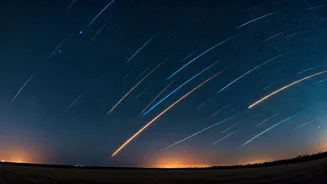
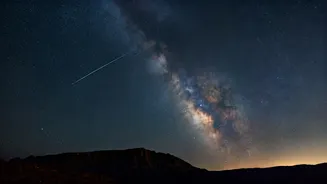
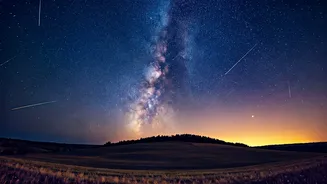
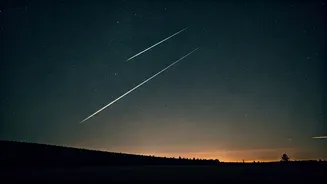
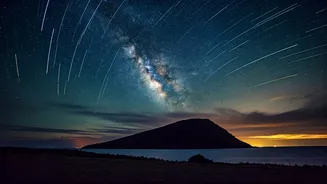
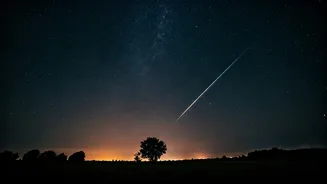
July brings not one, but two meteor showers to their peak: the Southern Delta Aquariids and the Alpha Capricornids. Both are active for long stretches, from July into August, but they have a 'peak night' where you can see the most action. These celestial
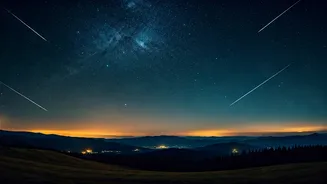
events happen when Earth passes through trails of dusty debris left behind by comets or asteroids. As the tiny particles, called meteoroids, hit our atmosphere at high speed, they burn up and create the streaks of light we call 'shooting stars'. The Southern Delta Aquariids are known for being faint but steady, while the Alpha Capricornids are less frequent but famous for producing bright, spectacular fireballs.
Mark Your Calendar: The Peak Nights
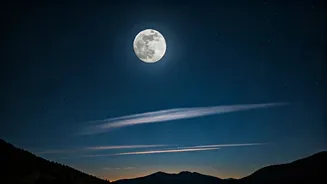
Both the Southern Delta Aquariids and the Alpha Capricornids are set to peak on the night between July 30 and the early morning of July 31, 2026. This means you get a two-for-one deal, as meteors from both showers will be visible. The Delta Aquariids can produce up to 20-25 meteors per hour under perfect conditions, while the Alpha Capricornids offer a more modest rate of about five per hour. However, there's a catch this year: a nearly full moon will be shining brightly on the peak nights, making it harder to see the fainter meteors. Don't be discouraged, though. The Alpha Capricornids are known for bright fireballs that can cut through the moonlight, and patient observers can still be rewarded.
Finding the Perfect Viewing Spot
The number one rule of stargazing is to get away from city lights. The darker your surroundings, the more you will see. For viewers in India, this can be tricky during monsoon season when clouds can spoil the show. However, many high-altitude or rain-shadow regions like Ladakh and Spiti Valley offer clearer skies. If you can't travel that far, look for local parks, open fields, or even hilltops away from urban light pollution. Arrive before dark to get settled. The key is to find a spot with a wide, unobstructed view of the sky, particularly towards the south for the Delta Aquariids. Check the weather forecast before you go, and remember that even a short break in the clouds can reveal a stunning show.
Your Meteor Shower Toolkit
You don't need a telescope or binoculars to watch a meteor shower, as they limit your field of view. Your eyes are the best tools for the job. Comfort is key, since you'll be waiting for a while. Pack a blanket or a reclining lawn chair to lie back comfortably and take in as much of the sky as possible without straining your neck. Bring warm layers, as temperatures can drop overnight, even in summer. Snacks and a flask of something warm are always a good idea. Crucially, bring a red-light torch. A regular white flashlight will ruin your night vision, but a red light helps you see your surroundings while preserving your eyes' adaptation to the dark.
Patience Is a Stargazer's Virtue
Once you've found your spot and are settled in, put your phone away. The bright screen will prevent your eyes from adjusting to the darkness. It takes about 20 to 30 minutes for your eyes to become fully dark-adapted, after which you'll be able to see much fainter stars and meteors. Meteor showers don't perform on a schedule; you might see several meteors in a few minutes and then none for a while. The best approach is to lie back, relax, and be patient. The show is best after midnight and into the predawn hours, so prepare for a late night. Looking slightly away from the radiant point (the constellation Aquarius) can also help, as the meteors will appear longer and more dramatic.