




An Unlikely Monsoon Hero
The symphony of the Indian monsoon is incomplete without its accompanying flavours. There’s the earthy scent of petrichor, the warmth of a steaming cup of adrak wali chai, and the sizzle of deep-fried bhajis. Amidst these celebrated superstars, the guava,
or amrood, stands quietly, waiting to be noticed. Yet, there is perhaps no fruit that captures the transition into the rainy season so perfectly. Its crisp, grainy texture and sweet-tart flavour feel like a refreshing counterpoint to the humidity, a clean and vibrant start before we dive headfirst into the richer, heavier comfort foods the season demands. It’s the palate cleanser before the main course, the healthy indulgence that sets a positive tone for the months of indoor snacking ahead.
Your Immunity’s Best Friend
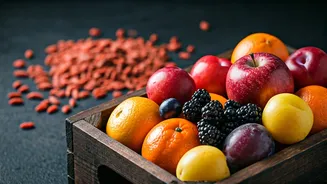
The monsoon, for all its romanticism, is also a time when our immune systems are put to the test. Colds, coughs, and digestive woes become common companions. This is where the guava truly shines. Forget exotic berries and expensive supplements; this local champion is one of the richest natural sources of Vitamin C. A single guava can contain up to four times the Vitamin C of an orange, making it a powerful ally in boosting immunity and fighting off seasonal infections. Furthermore, its high dietary fibre content aids digestion, which can often become sluggish during the damp weather. Its low calorie count and high water content make it a smart, hydrating snack that satisfies cravings without the guilt.
The Perfect Flavour Canvas
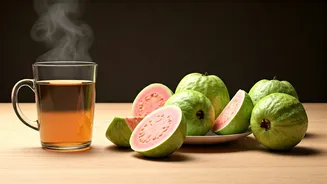
One of the greatest joys of eating guava in India lies in its transformation. Sliced and sprinkled with a fiery, tangy mixture of rock salt (kala namak) and red chilli powder, the humble fruit becomes an explosive flavour bomb. This classic preparation, often sold by street vendors with expert flair, elevates the fruit’s natural sweetness by adding layers of salty, sour, and spicy notes. The crunch of the fruit, followed by the zesty kick of the masala, is a sensory experience deeply embedded in our collective memory. But its versatility doesn't end there. You can chop it into a fresh kachumber salad with onions and tomatoes, blend it into a refreshing juice, or even create a spicy-sweet guava chaat with a drizzle of tamarind chutney. It’s a fruit that invites creativity.
How to Pick the Perfect One
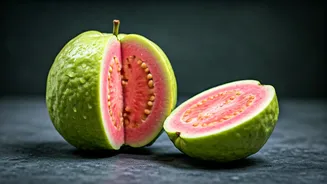
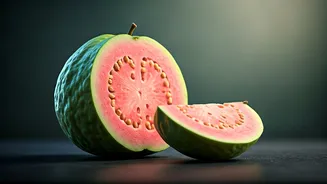
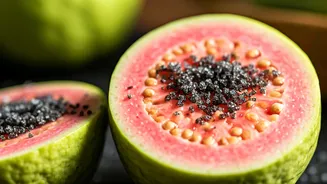
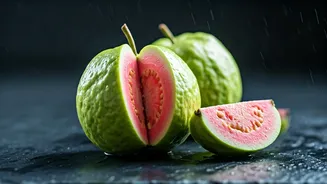
Choosing the right guava is key to the experience. For that perfect crispness, look for fruits that are firm to the touch, with smooth, unblemished, and bright green skin. A little yellowing is acceptable and often indicates a sweeter fruit, but avoid those with soft spots or wrinkled skin. The aroma is another giveaway; a ripe guava should have a light, sweet, and musky fragrance. Some prefer the softer, pink-fleshed variety, which is intensely aromatic and sweet, perfect for juices and desserts. Others swear by the white-fleshed, seed-heavy varieties for their classic crunch. Whichever you choose, wash it thoroughly before cutting into it to enjoy its fresh, clean taste.
A Simple Bite of Nostalgia
Beyond its taste and health benefits, the guava is a powerful vessel of nostalgia. It carries memories of school lunches, of sharing slices with friends on a rainy afternoon, or of buying a paper cone of masala-dusted fruit on the way home from the market. It’s a simple, unpretentious pleasure. In a world of complex culinary trends, the act of biting into a crisp, chilled guava is grounding. It connects us to a simpler time and to the rhythm of the seasons. It reminds us that sometimes, the best things in life are not the most complicated. It is the perfect, unassuming prelude to a season of delicious, soulful eating.