







A delicious Indian dinner is a perfect end to the day, but that heavy feeling and a restless night that follows often isn't. The good news is you can enjoy your meals without the digestive strain by making a few simple, mindful adjustments.
Embrace the 'Early and Light' Rule
One of the
most impactful changes you can make is timing. According to both modern science and ancient Ayurvedic wisdom, our digestive fire, or 'agni', is strongest midday and weakest at night. Eating a heavy meal late in the evening means your body, which is preparing for rest, has to work overtime to process the food. This often leads to bloating, acidity, and interrupted sleep. Aim to eat your dinner at least two to three hours before you go to bed, ideally before 8 p.m. A lighter, earlier meal allows your digestive system to complete most of its work before you lie down, preventing discomfort and promoting restorative sleep.
Choose Your Proteins and Grains Wisely
Not all dals and grains are created equal when it comes to night-time digestion. Heavy-to-digest legumes like rajma (kidney beans) and chana (chickpeas) can cause gas and a feeling of heaviness. Instead, opt for lighter lentils like moong dal, which is famously gentle on the stomach. Similarly, while rice is a staple, large portions can be heavy. Consider swapping heavy breads like oily parathas or butter naan for soft, whole-wheat fulkas or rotis. The goal is to choose carbohydrates and proteins that are easy to break down, providing nourishment without the burden.
Avoid Heavy, Fried and Rich Foods
Rich, creamy curries like paneer butter masala, deep-fried snacks like pakoras and samosas, and fatty dishes are common culprits behind overnight indigestion. These foods significantly slow down digestion, often leading to acid reflux and heartburn. Ayurvedic principles advise against consuming heavy, oily, and cold foods at night, as they can aggravate the body's 'Kapha dosha', leading to mucus buildup and lethargy the next morning. Instead of a rich, cream-based gravy, consider a lighter, stew-like sabzi made with seasonal vegetables like lauki (bottle gourd) or pumpkin, which are hydrating and easy on the gut.
Leverage the Power of Digestive Spices
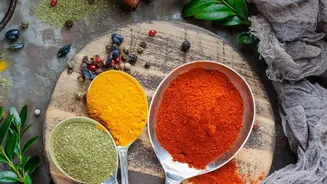
Indian cooking is renowned for its use of spices, many of which are powerful digestive aids. Rather than using spices just for heat, focus on those that support digestion. Cumin (jeera), coriander (dhania), fennel (saunf), ginger, and turmeric are excellent choices for an evening meal. These spices help stimulate digestive enzymes and can reduce gas and bloating. Tempering your light dal or sabzi with a pinch of hing (asafoetida) and some curry leaves can also make a noticeable difference in how you feel after your meal. Avoid excessive chilli, which can cause heartburn for some.
Rethink Your Post-Dinner Rituals
What you do after dinner is just as important as what you eat. Lying down immediately after a meal is a direct invitation for acid reflux. Instead, try 'Vajrasana' (Thunderbolt Pose) for a few minutes, as it's known to aid digestion. A gentle, 10-20 minute walk is also highly beneficial. Also, reconsider consuming curd (yoghurt) and sweets right after your meal. Ayurveda suggests that curd can be heavy and mucus-forming at night. While it's tempting to have a 'meetha' after dinner, sugary foods can interfere with sleep patterns. A warm cup of herbal tea with fennel or ginger can be a much more soothing conclusion to your day.